There’s something truly magical about a homemade cake, especially one crafted for a cherished occasion. For me, Valentine’s Day, anniversaries, or any moment calling for a touch of romance and sophistication, demands a dessert that transcends the ordinary. That’s why I’m so excited to share my go-to Lavender and peach Valentine cake recipe. This isn’t just any cake; it’s an impressive, yet achievable, showstopper that promises to delight with its unique and elegant flavor profile, making every bite a celebration.
Why You’ll Love This Lavender & Peach Valentine Cake Recipe
In my kitchen, I’m always searching for ways to elevate classic flavors, and this lavender and peach cake is a testament to that quest. You’re going to adore the sophisticated twist I’ve woven into this delightful dessert, transforming it into something truly extraordinary.
A Symphony of Flavors: The secret lies in a delicate layer of peach jam infused with a hint of rosewater, nestled between each tender cake layer. Rosewater has a remarkable ability to bridge and enhance the floral notes of both lavender and peach, creating a more complex, elegant, and harmonious profile that’s simply captivating on the palate. It adds an ethereal quality that sets this cake apart.
Delicate Lavender, No Bitterness: Forget harsh, artificial lavender flavors! My superior method involves using dried culinary lavender buds and blooming them in hot milk before incorporating into the cake batter. This gentle infusion extracts the delicate floral essence without any of the bitterness or “soapy” taste often associated with lavender oil or extract when used improperly. It ensures a nuanced, authentic lavender flavor that perfectly complements the sweet peach.
Impressive Yet Achievable: This layer cake looks incredibly impressive, especially with its beautiful ombre frosting, but I promise it’s well within reach for any home baker. The carefully structured steps and detailed guidance I provide will empower you to create a stunning, sophisticated dessert that will earn you rave reviews. It’s not overly sweet, offering a balanced and refined taste that’s perfect for a romantic evening or any special celebration.
Ingredients Needed
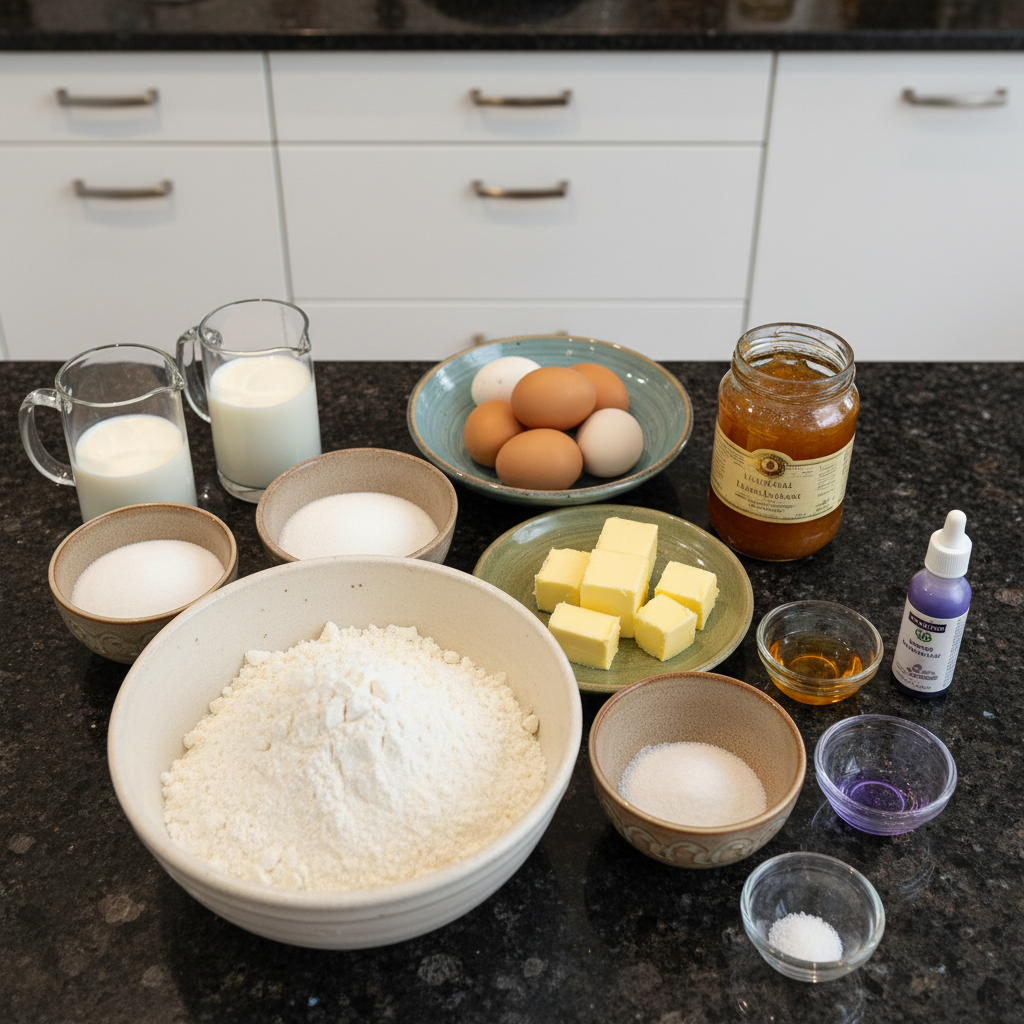
Crafting this exquisite Lavender and Peach Valentine Cake begins with carefully selected ingredients, each playing a crucial role in its overall perfection. Here’s what you’ll need from my kitchen to yours:
For the Lavender Cake Layers:
- 3/4 cup butter (softened at room temperature)
- 1 1/2 cups white granulated sugar
- 1/2 teaspoon vanilla extract
- 1/4 teaspoon lavender oil (see Ingredient Notes for my preferred method using lavender buds)
- 4 large eggs
- 1 cup milk
- purple food coloring; optional
- 2 cups all-purpose flour
- 4 teaspoons baking powder
- 1/2 teaspoon salt
For the Italian Meringue Buttercream & Assembly:
- 1 cup white granulated sugar
- 1/3 cup water
- 5 large egg whites
- 2 cups butter (softened at room temperature)
- 1/2 teaspoon vanilla extract
- 1/8 tsp lavender oil (optional)
- purple food coloring
- 1/2 cup peach preserves (for filling)
Ingredient Notes & Substitutions
Here are some of my personal insights and recommendations to ensure your Lavender and Peach Valentine Cake turns out absolutely perfect, incorporating my special twists and expertise:
Lavender (Oil vs. Buds): While the recipe lists lavender oil, I highly recommend my unique twist for a superior, more delicate floral note. Instead of oil, use 1-2 tablespoons of dried culinary lavender buds, bloomed in the 1 cup of hot milk (let them steep for 15-20 minutes, then strain). This extracts a nuanced flavor without any bitterness. Always ensure you’re using food-grade edible lavender. Lavender’s flavor is potent, so precise measurement is key to avoiding an overpowering, soapy taste.
Peach Preserves: For the filling, a good quality store-bought peach preserves works wonderfully. However, my unique twist of infusing the 1/2 cup of preserves with a hint of rosewater (just 1/4 to 1/2 teaspoon) is absolutely essential for elevating the fruit component. It brightens the peach flavor and harmonizes beautifully with the lavender. If you’re feeling ambitious, homemade peach preserves can offer an even fresher taste. Apricot or nectarine preserves could also be lovely alternatives.
Rosewater: This isn’t just an optional extra; it’s a key flavor enhancer for the unique twist. Seek out food-grade rosewater, typically found in specialty food stores or international aisles. A little goes a long way to enhance the floral-fruity aroma.
Butter & Eggs: Please, for the love of baking, ensure your butter and eggs are at room temperature! This is critical for achieving a smooth, emulsified cake batter and a perfectly stable, non-curdled Italian meringue buttercream. Plan ahead and take them out of the fridge at least an hour before you begin.
Purple Food Coloring: The purple food coloring is entirely optional and solely for the ombre effect, adding a beautiful visual appeal to your Valentine’s Day dessert. You can skip it for a pure white cake, or experiment with other romantic colors like pink or light blue.
How to Make Lavender and Peach Valentine Cake
Ready to create this stunning lavender and peach cake? Follow these steps carefully, and you’ll have a gorgeous, flavorful masterpiece that tastes as incredible as it looks. I’ve integrated my special twists to ensure the best possible flavor!
Preparing the Lavender Cake Layers
- Preheat your oven to a precise 350°F (176°C). Line the bottoms of three 8-inch cake pans with parchment paper for easy release; set them aside.
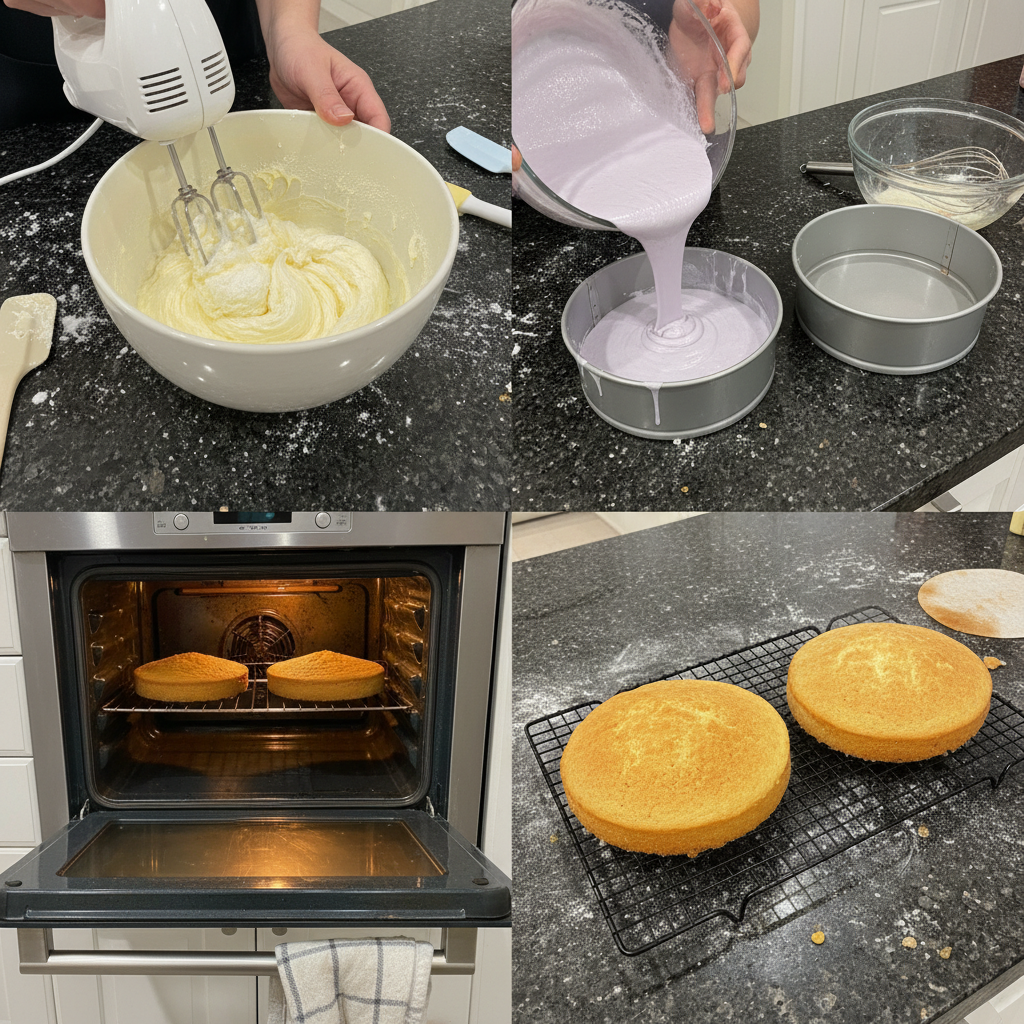
- In a large mixing bowl, combine the softened butter and white granulated sugar. Cream them together on high speed for 3 to 4 minutes until the mixture is visibly light and fluffy.
- Now, add the eggs one at a time, mixing well after each addition. Stir in the vanilla extract. If you’re using the recommended unique twist, this is where you’ll add your strained, lavender-infused milk, along with a few drops of purple gel food coloring if you desire a tinted cake batter. If using lavender oil as per the original ingredients, add 1/4 teaspoon now, ensuring it’s well combined. Continue mixing for another 2 to 3 minutes until everything is thoroughly incorporated.
- In a separate medium bowl, whisk together your dry ingredients: the all-purpose flour, baking powder, and salt.
- Using a fine mesh strainer or sifter, gradually sift the dry ingredients into your wet cake batter in three additions. Whisk gently after each addition, just until combined. Be careful not to overmix, which can lead to a tough cake.
- Divide the prepared cake batter evenly among your three prepared cake pans. I often use a kitchen scale for this step to ensure perfectly even layers.
- Bake in the preheated oven for 30 to 32 minutes. The cakes are done when a toothpick inserted into the center comes out clean and the edges are lightly golden.
- Carefully remove the baked cake layers from their pans and transfer them to a wire rack to cool completely. This is crucial for easy handling and proper frosting adhesion.
Crafting the Italian Meringue Buttercream
- While your cake layers are cooling, let’s prepare the luscious Italian meringue buttercream. Place the egg whites into the bowl of a stand mixer, fitted with the whisk attachment. Begin whisking on high speed until soft, billowy peaks form, which usually takes about 2 minutes.
- Meanwhile, prepare your sugar syrup. In a small saucepan, combine the 1 cup of white granulated sugar and 1/3 cup of water. Cook this mixture over medium heat, without stirring, until the syrup reaches precisely 240°F (115°C) on a candy thermometer. Stirring can cause sugar crystallization.
- Once the syrup reaches the correct temperature, reduce your stand mixer speed to medium. Very slowly and carefully, stream the hot sugar syrup into the whipping egg whites. Be sure to pour the syrup down the side of the bowl, avoiding the whisk itself.
- Increase the mixer speed back to high and continue whisking for 5 to 7 minutes. The meringue should become very stiff, glossy, and the bowl should feel cool to the touch. This cooling step is vital for a stable buttercream.
- With the mixer still running on medium-high speed, begin adding the softened butter, a few tablespoons at a time. The mixture might look curdled or soupy initially – don’t panic! This is normal. Continue adding butter and scraping down the sides of the bowl often.
- Once all the butter is incorporated, add the vanilla extract. If you’d like a subtle lavender undertone in your frosting, you can add 1/8 teaspoon of lavender oil now (or a small amount of lavender extract), mixing until fully combined. Continue whisking on high speed for another 5 to 7 minutes until the buttercream comes together beautifully, becoming smooth, light, and wonderfully glossy.
- To achieve that stunning ombre frosting effect, divide the prepared buttercream evenly between three separate mixing bowls. Leave one bowl plain white. To the other two bowls, add progressively increasing amounts of purple food coloring, mixing thoroughly until you have a light purple, a medium purple, and a plain white buttercream.
Assembling Your Elegant Cake
- Once your cake layers are completely cool, use a serrated knife or a cake leveler to trim any domed tops, creating flat, even layers.
- Now for my unique twist: take your 1/2 cup of peach preserves and gently stir in 1/4 to 1/2 teaspoon of food-grade rosewater. This simple step truly elevates the fruit filling!
- Place your first cake layer on your serving plate or cake stand. Spread approximately 1/4 cup of the rosewater-infused peach preserves evenly over the top.
- Follow with a layer of your darkest purple buttercream, spreading it smoothly over the peach preserves.
- Carefully place the second cake layer on top, press gently, and repeat the process with the peach preserves and then the medium purple buttercream.
- Add the final cake layer, spread the remaining peach preserves, and apply a thin “crumb coat” of the white buttercream all over the cake. This traps any loose crumbs. Chill the cake in the refrigerator for 15-20 minutes to set the crumb coat.
- Once chilled, apply the remaining white buttercream to the top and sides of the cake, blending it with the purple layers for a seamless ombre effect, or simply frost as desired.
- Keep the finished lavender and peach cake covered and refrigerated when not serving. For the best flavor and texture, remove it from the refrigerator about 1 hour prior to serving to allow the cake to soften slightly.
Cake Baking Confidence & Flavor Mastery
Beyond the steps, true baking joy comes from understanding the “why.” Let’s dive deeper into mastering some key components of this exquisite lavender and peach Valentine cake recipe.
Mastering Culinary Lavender
Working with lavender in baking can be incredibly rewarding, but it requires a delicate touch. Not all lavender is created equal for culinary use. I always recommend culinary-grade English lavender (Lavandula angustifolia) because it has sweeter, more floral notes and less of the camphoraceous, piney scent found in French or Spanish varieties. For this lavender cake, my unique twist of blooming dried lavender buds in hot milk is superior because it gently infuses the milk, extracting a subtle, authentic flavor without any bitterness or a “soapy” aftertaste that can occur with too much oil or extract. This gentle infusion technique is key to mastering herb-infused recipes. If you must use oil, measure precisely, as even a drop too much can overpower your dessert. Start small and taste, taste, taste!
The Art of Italian Meringue Buttercream
Italian meringue buttercream is my absolute favorite for its silky smooth texture, stability, and less sweet profile, making it perfect for this elegant dessert. Achieving perfection hinges on a few crucial steps. First, precise temperature for your sugar syrup is non-negotiable – use a candy thermometer and aim for exactly 240°F (115°C). Second, stream that hot syrup *slowly* into your whipping egg whites, allowing them to cook and stabilize. Third, continue whipping the meringue until it’s completely cool before you even think about adding the butter. If the meringue is still warm, your butter will melt, leading to a soupy mess. If your buttercream curdles, keep mixing! Often, it just needs more time for the emulsion to come together. If it’s too soft, a quick chill can help firm it up before re-whipping.
Adapting for Different Pan Sizes & Cake Troubleshooting
Flexibility in the kitchen is key. This recipe is designed for three 8-inch pans, but you can certainly adapt it. For example, if you use two 9-inch pans, your baking time might be slightly shorter (around 25-30 minutes), and for three 6-inch pans, it might be a bit longer (35-40 minutes). Always fill your pans about two-thirds full to prevent overflow. As for common cake problems: a sunken center often points to opening the oven door too early, inaccurate oven temperature, or underbaking. Invest in an oven thermometer! Uneven layers can be due to uneven batter distribution (a kitchen scale helps here) or an uneven oven. If your cake turns out dry, it’s almost always a sign of overbaking. A toothpick inserted into the center should come out with moist crumbs, not liquid batter, but definitely not completely dry.
Pro Tips & Troubleshooting
Even the most seasoned bakers benefit from a few expert insights. Here are my top tips for success and common pitfalls to avoid when making your Lavender and Peach Valentine Cake, ensuring a truly stellar outcome every time.
Pro Tips for Success
- Use Room Temperature Ingredients: This is a non-negotiable golden rule! Softened butter, room-temperature eggs, and milk ensure your cake batter emulsifies correctly, leading to a smooth texture and even rise. It’s also crucial for a perfectly smooth Italian meringue buttercream.
- Bloom Your Lavender Buds: If you’re embracing my unique twist (which I highly recommend!), make sure to steep your dried culinary lavender buds in warm milk. This gentle blooming process is the best way to extract their delicate floral aroma and flavor without bitterness.
- Infuse Peach Preserves with Rosewater: This simple but powerful step is part of our unique twist! A small amount of rosewater truly elevates the peach preserves, brightening the fruit and adding an exquisite floral depth that complements the lavender perfectly.
- Measure Lavender Precisely: Whether you choose lavender oil or buds, always remember that lavender’s flavor is potent. Start with the recommended amount and resist the urge to add more until you’ve tasted the final product. Too much can lead to an unpleasant, medicinal taste.
- Level Cake Layers: For a professional, elegant look, use a serrated knife or a dedicated cake leveler to trim any domes off your cooled layers. Flat layers make for a much more stable and beautiful stacked cake.
- Chill for Stability: Don’t skip chilling! After leveling your cake layers and especially after applying a thin crumb coat of frosting, a brief chill in the refrigerator makes the final frosting and decoration much easier and cleaner.
Common Mistakes to Avoid
- Overpowering Lavender: This is arguably the most common mistake. Adding too much lavender, whether oil or buds, can quickly turn your delicate floral cake into something that tastes like soap. Stick to the suggested measurements or err on the side of less.
- Dry Cake Layers: The primary culprit here is overbaking. Keep a close eye on your cakes in the oven, testing for doneness with a toothpick. Remove them promptly. Proper cooling on a wire rack and then covering them once completely cool will help retain moisture.
- Rushing Buttercream: Patience is a virtue, especially with Italian meringue buttercream. Incorrect sugar syrup temperature, not allowing the meringue to cool sufficiently before adding the butter, or adding butter too quickly can all lead to a broken, soupy, or curdled buttercream. Follow the steps deliberately.
- Uneven Batter Division: If you want beautifully even layer cakes, don’t eyeball it. Use a kitchen scale to divide your cake batter equally between your pans. This ensures consistent baking times and perfectly stacked layers.
Serving & Storage
You’ve poured your heart into creating this magnificent Lavender and Peach Valentine Cake, so let’s ensure it’s enjoyed and preserved to perfection.
Elegant Serving Ideas
This floral and fruity dessert is a showstopper on its own, but a few thoughtful touches can elevate the presentation even further. For optimal flavor and texture, I recommend serving your cake at room temperature, so be sure to remove it from the refrigerator about an hour before slicing. A single slice looks stunning on a simple white plate. For an extra special touch, consider pairing it with a scoop of high-quality vanilla bean ice cream or a dollop of freshly whipped cream. A light drizzle of peach coulis around the plate would also beautifully complement the peach notes. Garnish with a few fresh peach slices, a delicate sprig of fresh (edible) lavender, or a dusting of powdered sugar to enhance its visual appeal, especially for Valentine’s Day.
Storage & Make-Ahead Tips
To keep your Lavender and Peach Valentine Cake fresh and delicious, proper storage is key. The assembled cake, especially with its Italian meringue buttercream, should be kept covered in an airtight container and refrigerated. It will maintain its exquisite flavor and texture for up to 3-4 days. As mentioned in the instructions, always remove it 1 hour prior to serving to allow the cake to soften and the flavors to truly bloom.
You can also get a head start on this recipe. The unfrosted cake layers can be baked ahead of time, cooled completely, tightly wrapped in plastic wrap, and then frozen for up to a month. Thaw them overnight in the refrigerator before frosting. The Italian meringue buttercream can also be made a few days in advance and stored in an airtight container in the refrigerator; simply bring it to room temperature and re-whip it briefly before use to restore its silky consistency.
Conclusion
And there you have it—a truly exceptional Lavender and Peach Valentine Cake recipe that goes beyond mere ingredients to deliver an experience. I’ve poured my passion for baking into guiding you through every step, ensuring you master the delicate balance of floral lavender, juicy peach, and the elegant hint of rosewater. This isn’t just a cake; it’s a celebration of sophisticated flavors, beautiful presentation, and the joy of creating something truly special for the ones you love.
With the detailed instructions, my expert tips, and the unique twists I’ve shared, I’m confident that even a novice baker can achieve a stunning, professional-quality result. So, go ahead, gather your ingredients, embrace the process, and let this beautiful layer cake be the centerpiece of your next romantic moment or cherished gathering. Print this recipe and make it a tradition!
FAQ
What’s the best way to measure lavender (oil or buds) for baking to avoid an overpowering flavor?
For lavender oil, precise measurement with a clean measuring spoon is crucial; start with the minimum recommended amount (e.g., 1/4 teaspoon for the cake batter) and adjust only after tasting the final product. For dried culinary lavender buds, I recommend steeping 1-2 tablespoons in hot milk (then straining) to gently infuse the flavor, ensuring a nuanced and never overpowering taste.
Can I use dried culinary lavender buds instead of lavender oil or extract, and if so, how do I prepare them?
Absolutely, and I highly recommend it as my unique twist! Using dried culinary lavender buds provides a more authentic, delicate floral flavor. To prepare them for this cake, simply add 1-2 tablespoons of food-grade dried lavender buds to the 1 cup of milk listed in the cake ingredients, heat until warm, and let steep for 15-20 minutes. Strain out the buds completely before incorporating the infused milk into your cake batter. This method extracts the flavor beautifully without any harshness.
How do I prevent the cake layers from becoming dry?
The key to moist cake layers is to avoid overbaking. Always use an oven thermometer to ensure accurate temperature, and test for doneness promptly by inserting a toothpick into the center – it should come out with moist crumbs, not wet batter, but also not completely clean and dry. Removing the cakes from the oven as soon as they are done, cooling them on a wire rack, and covering them once completely cool will help lock in moisture.
What are some suitable fruit preserve alternatives for the peach filling?
While peach preserves are perfect for this recipe, you can definitely experiment with other fruit flavors. Apricot preserves or even a high-quality nectarine jam would work beautifully, as their flavor profiles are similar to peach and complement both lavender and rosewater well. You could also consider a raspberry or cherry preserve for a different, but equally delicious, fruity contrast.
What is Italian meringue buttercream, and can I use a different frosting?
Italian meringue buttercream is a light, silky, and stable frosting made by slowly streaming hot sugar syrup into whipping egg whites to create a meringue, then gradually incorporating softened butter. It’s less sweet than traditional buttercreams, offering a refined texture. While I highly recommend it for its elegance and stability, you could substitute it with a Swiss meringue buttercream or even a good quality cream cheese frosting for a tangier profile, though the latter will change the overall texture and sweetness significantly.
How should I store the Lavender and Peach Valentine Cake for optimal freshness?
To maintain its optimal freshness, your finished Lavender and Peach Valentine Cake should be stored covered in an airtight container and kept refrigerated. It will remain delicious for 3 to 4 days. Remember to remove the cake from the refrigerator approximately 1 hour before serving to allow the buttercream to soften slightly and the flavors to fully develop.
Can I make my own peach preserves from scratch for this cake, and how does it compare?
Yes, you can absolutely make your own peach preserves from scratch for this cake! Homemade preserves offer a fresher, often brighter peach flavor compared to many store-bought varieties, and you have complete control over the sweetness and texture. It typically involves cooking down fresh peaches with sugar, a touch of lemon juice, and sometimes pectin. If you choose this route, ensure your homemade preserves are sufficiently thickened to spread easily and then infuse them with rosewater just before using, as detailed in the recipe, for that extra special touch.
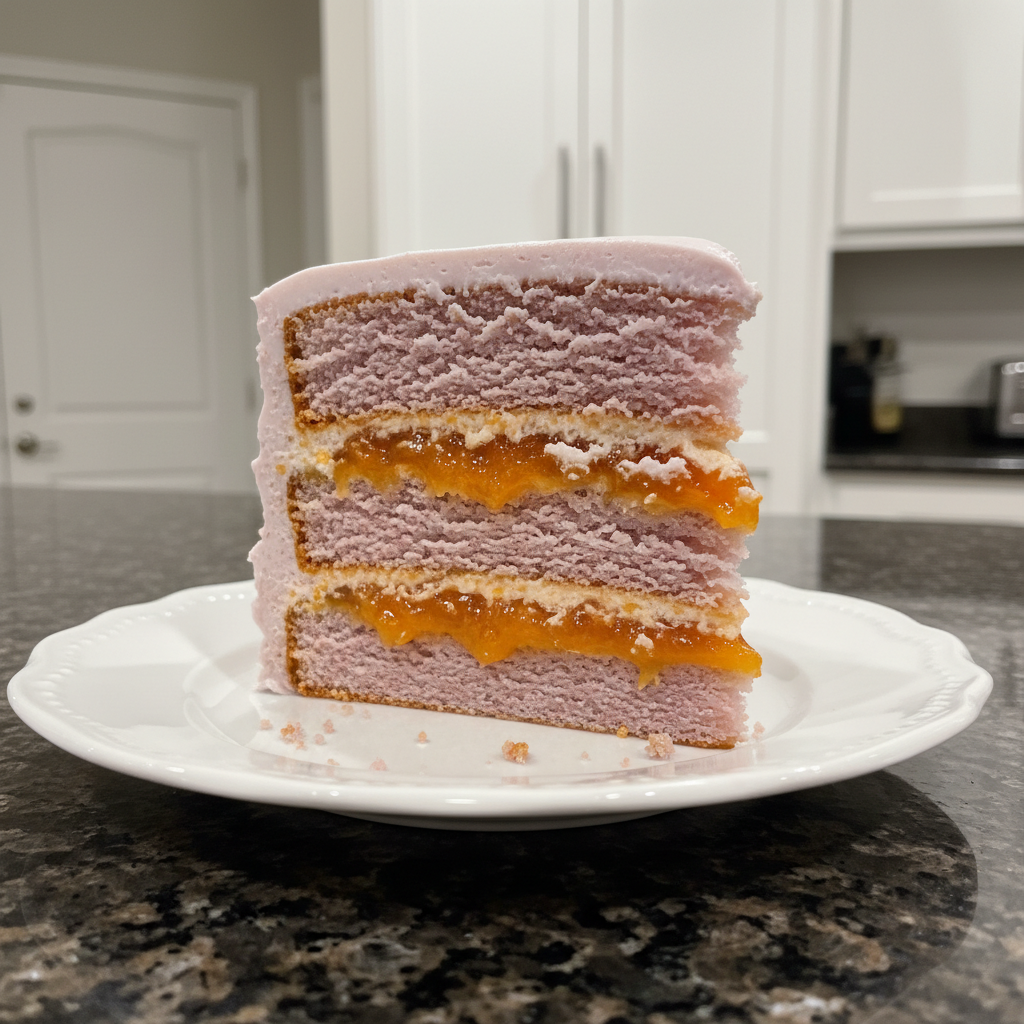
Lavender & Peach Valentine Cake Recipe: An Elegant Layered Dessert
Ingredients
Equipment
Method
- Preheat your oven to a precise 350°F (176°C). Line the bottoms of three 8-inch cake pans with parchment paper for easy release; set them aside.
- In a large mixing bowl, combine the softened butter and white granulated sugar. Cream them together on high speed for 3 to 4 minutes until the mixture is visibly light and fluffy.
- Now, add the eggs one at a time, mixing well after each addition. Stir in the vanilla extract. If you're using the recommended unique twist, this is where you'll add your strained, lavender-infused milk, along with a few drops of purple gel food coloring if you desire a tinted cake batter. If using lavender oil as per the original ingredients, add 1/4 teaspoon now, ensuring it’s well combined. Continue mixing for another 2 to 3 minutes until everything is thoroughly incorporated.
- In a separate medium bowl, whisk together your dry ingredients: the all-purpose flour, baking powder, and salt.
- Using a fine mesh strainer or sifter, gradually sift the dry ingredients into your wet cake batter in three additions. Whisk gently after each addition, just until combined. Be careful not to overmix, which can lead to a tough cake.
- Divide the prepared cake batter evenly among your three prepared cake pans. I often use a kitchen scale for this step to ensure perfectly even layers.
- Bake in the preheated oven for 30 to 32 minutes. The cakes are done when a toothpick inserted into the center comes out clean and the edges are lightly golden.
- Carefully remove the baked cake layers from their pans and transfer them to a wire rack to cool completely. This is crucial for easy handling and proper frosting adhesion.
- While your cake layers are cooling, let's prepare the luscious Italian meringue buttercream. Place the egg whites into the bowl of a stand mixer, fitted with the whisk attachment. Begin whisking on high speed until soft, billowy peaks form, which usually takes about 2 minutes.
- Meanwhile, prepare your sugar syrup. In a small saucepan, combine the 1 cup of white granulated sugar and 1/3 cup of water. Cook this mixture over medium heat, without stirring, until the syrup reaches precisely 240°F (115°C) on a candy thermometer. Stirring can cause sugar crystallization.
- Once the syrup reaches the correct temperature, reduce your stand mixer speed to medium. Very slowly and carefully, stream the hot sugar syrup into the whipping egg whites. Be sure to pour the syrup down the side of the bowl, avoiding the whisk itself.
- Increase the mixer speed back to high and continue whisking for 5 to 7 minutes. The meringue should become very stiff, glossy, and the bowl should feel cool to the touch. This cooling step is vital for a stable buttercream.
- With the mixer still running on medium-high speed, begin adding the softened butter, a few tablespoons at a time. The mixture might look curdled or soupy initially – don't panic! This is normal. Continue adding butter and scraping down the sides of the bowl often.
- Once all the butter is incorporated, add the vanilla extract. If you'd like a subtle lavender undertone in your frosting, you can add 1/8 teaspoon of lavender oil now (or a small amount of lavender extract), mixing until fully combined. Continue whisking on high speed for another 5 to 7 minutes until the buttercream comes together beautifully, becoming smooth, light, and wonderfully glossy.
- To achieve that stunning ombre frosting effect, divide the prepared buttercream evenly between three separate mixing bowls. Leave one bowl plain white. To the other two bowls, add progressively increasing amounts of purple food coloring, mixing thoroughly until you have a light purple, a medium purple, and a plain white buttercream.
- Once your cake layers are completely cool, use a serrated knife or a cake leveler to trim any domed tops, creating flat, even layers.
- Now for my unique twist: take your 1/2 cup of peach preserves and gently stir in 1/4 to 1/2 teaspoon of food-grade rosewater. This simple step truly elevates the fruit filling!
- Place your first cake layer on your serving plate or cake stand. Spread approximately 1/4 cup of the rosewater-infused peach preserves evenly over the top.
- Follow with a layer of your darkest purple buttercream, spreading it smoothly over the peach preserves.
- Carefully place the second cake layer on top, press gently, and repeat the process with the peach preserves and then the medium purple buttercream.
- Add the final cake layer, spread the remaining peach preserves, and apply a thin "crumb coat" of the white buttercream all over the cake. This traps any loose crumbs. Chill the cake in the refrigerator for 15-20 minutes to set the crumb coat.
- Once chilled, apply the remaining white buttercream to the top and sides of the cake, blending it with the purple layers for a seamless ombre effect, or simply frost as desired.
- Keep the finished lavender and peach cake covered and refrigerated when not serving. For the best flavor and texture, remove it from the refrigerator about 1 hour prior to serving to allow the cake to soften slightly.
Notes

Emily Thompson is a home cook and food enthusiast who believes that great meals bring families together. She loves exploring creative twists on classic American comfort food, always testing new ideas in her kitchen. Emily is passionate about sharing simple, practical recipes and time-saving tips to help busy people enjoy cooking at home. Her approachable style makes every dish accessible, delicious, and perfect for those seeking inspiration for everyday meals and special occasions. Find Emily’s latest creations and kitchen wisdom on yumeasymeals.com.