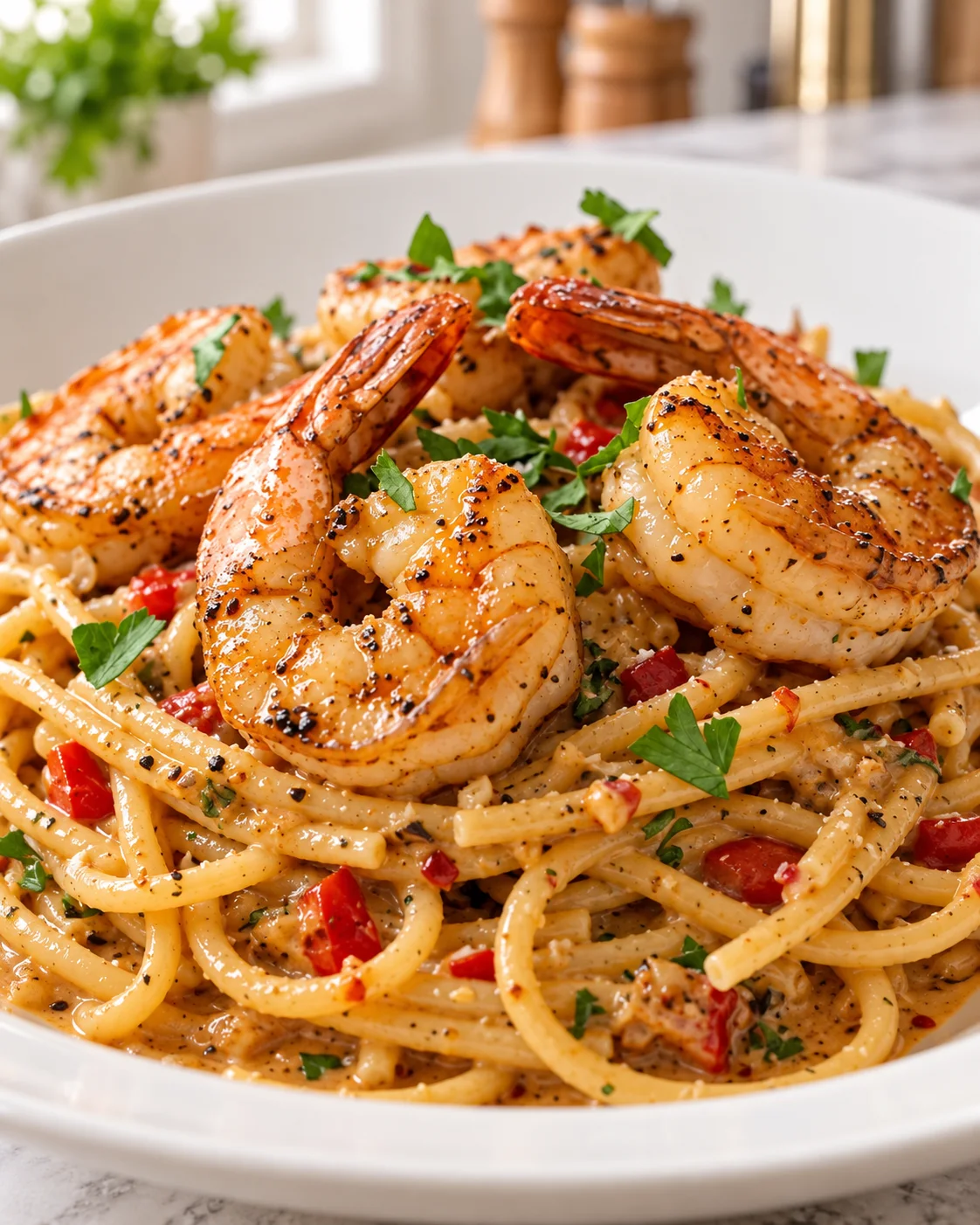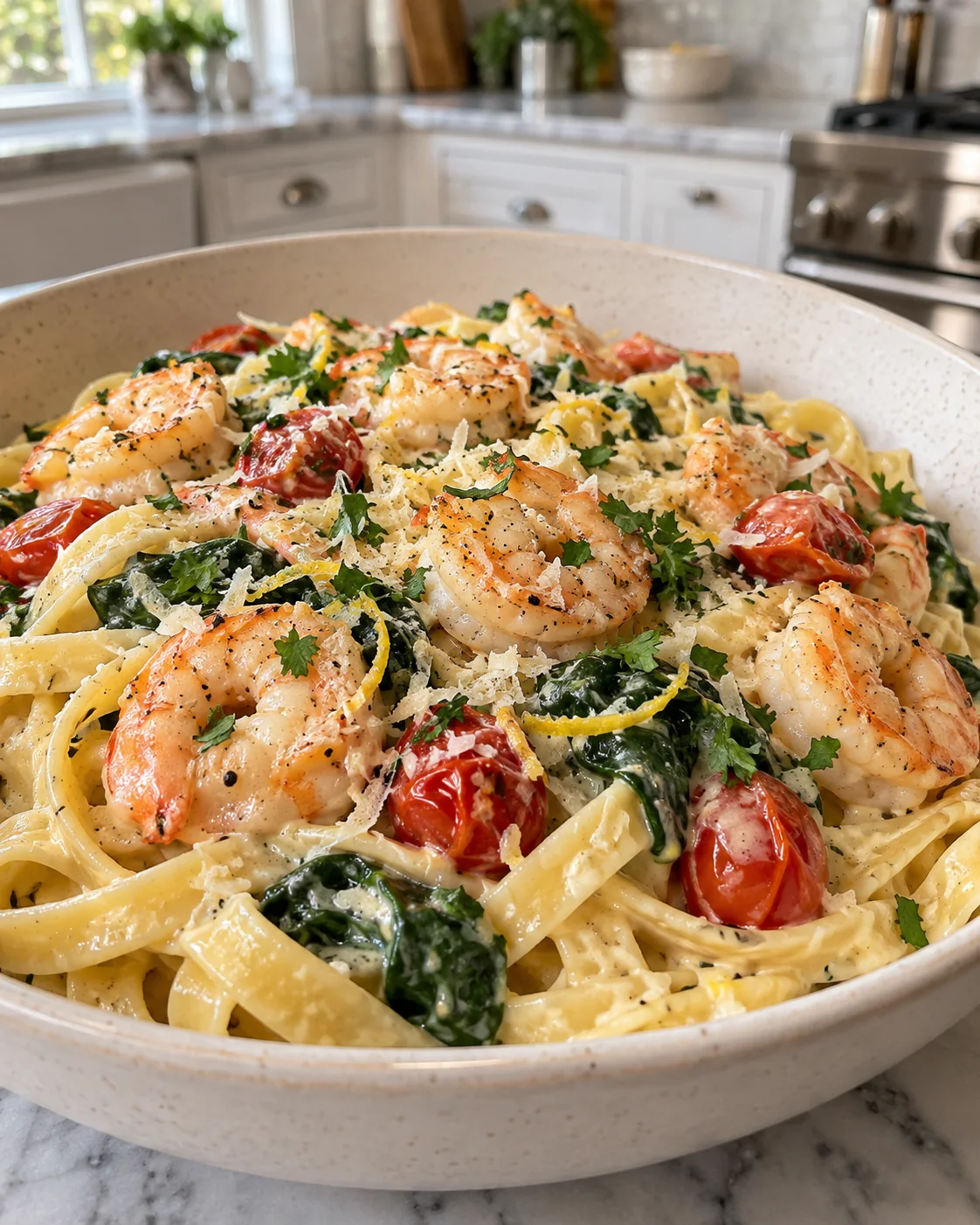
Risotto often gets a reputation for being fussy, something best left to professional chefs. But I am here to tell you that truly magnificent, restaurant-quality risotto is absolutely achievable in your home kitchen, and with surprisingly little effort. My One-Pot Mushroom Risotto recipe delivers incredible depth of flavor and a silky, creamy texture, all while simplifying the cooking process. Get ready to experience a comforting, deeply flavorful dish that will quickly become a favorite, especially with its unique umami boost from dried porcini mushrooms.
Why You’ll Love This One-Pot Mushroom Risotto
Recipe
This One-Pot Mushroom Risotto isn’t just easy; it features a unique twist that elevates its flavor profile dramatically. We infuse the vegetable broth with dried porcini mushrooms, unlocking a powerful umami punch that permeates every grain of arborio rice. The porcini release natural glutamates into the broth, intensifying the overall mushroom flavor and adding a complexity that a simple fresh mushroom sauté alone cannot achieve. This method creates a richer, more profound taste and a wonderfully aromatic experience.
Beyond its exceptional flavor, this recipe offers practical benefits that make it a weeknight winner. The one-pot convenience means less cleanup, a dream for busy evenings. This vegetarian comfort food is also relatively quick to prepare, allowing you to enjoy a luxurious meal without spending hours in the kitchen. I promise you, this mushroom risotto will rival any restaurant version you have ever tasted, all from the comfort of your own home.
Ingredients Needed
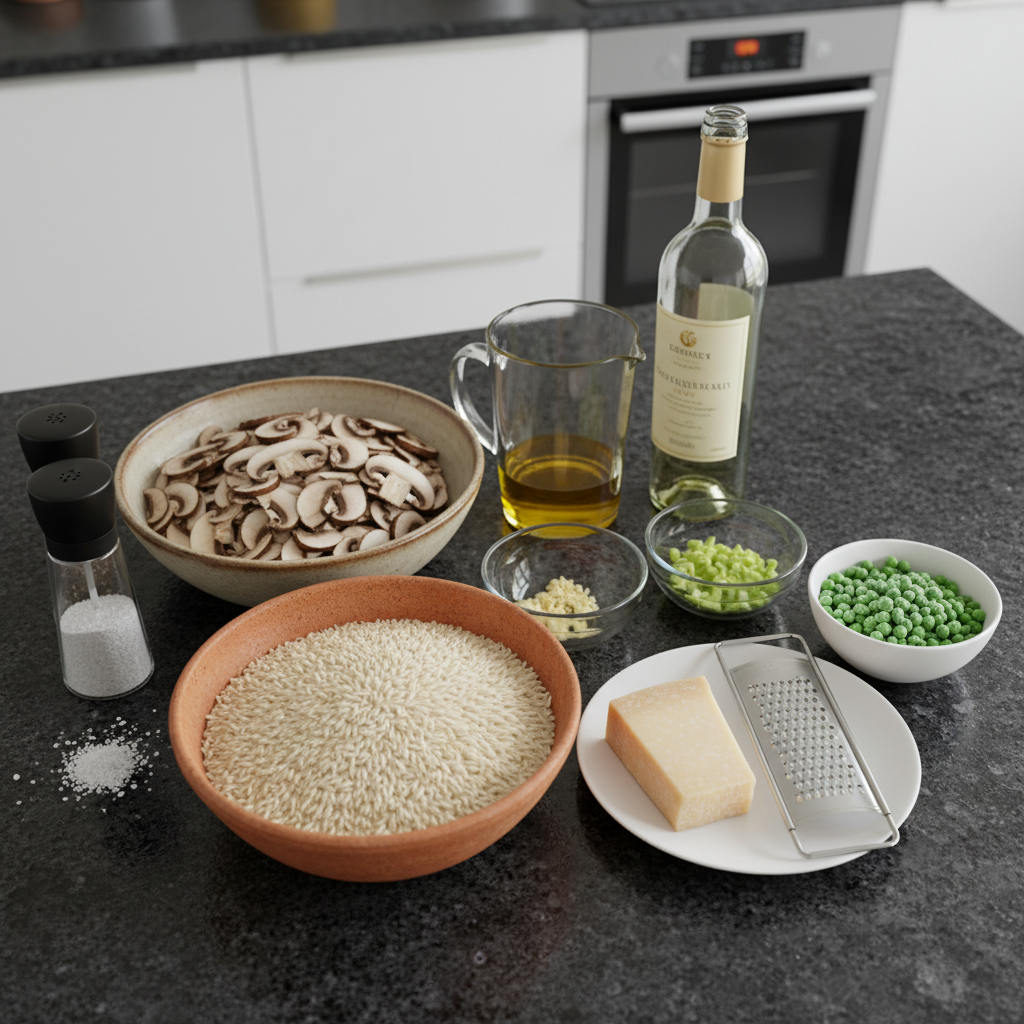
Here is everything you will need to create this delightful One-Pot Mushroom Risotto:
- 11oz / 400g mushrooms (I’ve used brown mushrooms)
- 1 medium leek sliced
- 2-3 garlic cloves diced
- 2-3 tbsp olive oil
- 1 ½ cups arborio rice
- ½ cup dry white wine
- 6.5 cups heated vegetable stock
- 2oz / 50g parmesan cheese
- 1 cup frozen green peas
- Salt and cracked black pepper
- Red pepper flakes (optional)
Ingredient Notes & Substitutions
Arborio Rice: For the best risotto, arborio rice is my top recommendation. Its short, plump grains have a high starch content which is essential for achieving that characteristic creamy texture. While carnaroli or vialone nano are also excellent choices, arborio is most readily available in US grocery stores and delivers fantastic results for this One-Pot Mushroom Risotto.
Mushrooms: I typically use brown mushrooms, such as cremini or baby bella mushrooms, for their robust flavor. However, feel free to experiment with other varieties like shiitake or oyster mushrooms to introduce even more intense and earthy notes. Exploring different types of mushrooms can truly transform the dish.
Vegetable Broth: Homemade vegetable broth always offers the best flavor. However, a good-quality, low-sodium store-bought vegetable broth works perfectly. Remember, the secret twist here is to infuse your heated vegetable broth with dried porcini mushrooms. This small step significantly enhances the umami and mushroom flavor of the entire dish.
Parmesan Cheese: Always opt for freshly grated Parmesan cheese. It melts beautifully and provides the best flavor. Pecorino Romano is a wonderful alternative if you prefer a sharper, saltier kick. For a vegan version of this One-Pot Mushroom Risotto, nutritional yeast or a plant-based Parmesan alternative can be used to achieve a similar savory, cheesy flavor.
Leek: Leeks offer a mild, sweet onion flavor that complements the mushrooms beautifully. If leeks are unavailable, shallots or a finely diced yellow onion can be used as a suitable substitute.
Wine: A dry white wine, like Sauvignon Blanc or Pinot Grigio, adds essential acidity and depth to the risotto. This acidity helps balance the richness of the mushrooms and cheese. If you prefer to avoid alcohol, simply omit the wine and replace it with an equal amount of additional vegetable broth.
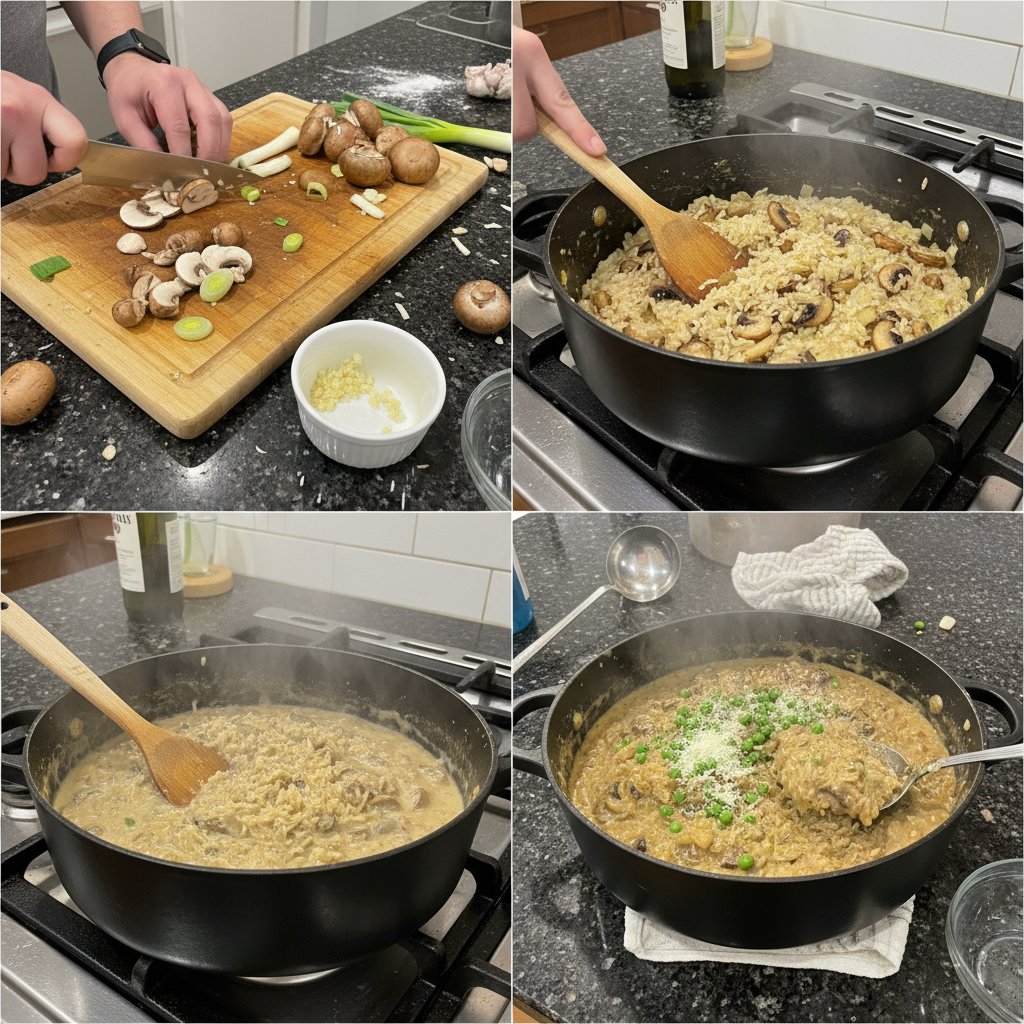
How to Make One-Pot Mushroom Risotto
Follow these steps to create a truly spectacular and creamy One-Pot Mushroom Risotto:
Prepare the Mushrooms
Slice and sauté your mushrooms in a large pan with olive oil over high heat. Watch them as they brown deeply and begin to shrink slightly, releasing their earthy aroma. Once they are nicely browned, season them with a pinch of salt and pepper, then remove them from the pan and set them aside. This proper sautéing technique for mushrooms is key to their flavor.
Sauté the Aromatics
In the same pan, add another tablespoon of olive oil along with the sliced leek. Sauté the leeks for about 3 to 5 minutes until they become softened and beautifully translucent. Then, add the diced garlic and sauté for just about 1 minute more, until it becomes fragrant but not browned. We want to avoid any bitterness from burnt garlic.
Toast the Rice and Deglaze
Keep the saucepan over medium heat, add the arborio rice, and sauté it with the leeks and garlic for a few minutes. You will see the edges of the rice grains become slightly translucent. Toasting the rice this way enhances its nutty flavor and prepares it to absorb the broth gradually. Now, pour in the dry white wine. The wine will simmer and its acidity will lift the flavors from the bottom of the pan.
Gradually Add Broth and Stir
Once the wine has almost completely evaporated, add one ladle of your heated vegetable stock. Stir the mixture slowly, allowing it to simmer gently. As most of the liquid is absorbed, add another ladle of stock. Continue this meditative process of slowly stirring and adding a ladle of stock at a time. This constant stirring helps release the starch from the arborio rice, which is crucial for achieving that signature creaminess without adding actual cream. Remember to season well with salt and black pepper throughout this process, tasting and adjusting as you go.
Achieve Al Dente and Finish
When you are close to the end of the stock, typically after about 15 minutes of adding broth, taste the rice. It should be al dente, meaning it is slightly firm to the bite but no longer crunchy or uncooked in the center. If it is still too firm, you may need 1 to 2 more cups of heated stock, adding it in small increments. Once your rice is perfectly al dente, grate in the Parmesan cheese directly into the risotto and stir it through with one final ladle of stock. The cheese will melt evenly, contributing to the rich, creamy texture.
Serve Immediately
Finally, add the green peas along with the sautéed mushrooms back into the pan. Stir everything together and allow it to cook for just one minute, just enough for the peas to become bright green and heated through. Your One-Pot Mushroom Risotto is ready to serve! Garnish with extra grated Parmesan cheese, a generous grind of black pepper, and a sprinkle of red pepper flakes if you like a touch of heat. Enjoy your rich and creamy Mushroom and Pea Risotto!
Mastering the Risotto Texture
Achieving the perfect risotto texture is what truly distinguishes a good risotto from a great one. It involves understanding two key concepts: al dente and creaminess.
Al Dente: This Italian term translates to “to the tooth.” In the context of risotto, it means the rice should be slightly firm and resistant when you bite into it, but fully cooked through, not hard or crunchy. You test for al dente by tasting a few grains of rice as you approach the end of the cooking process. The center should still have a slight bite, but the outside should be tender. This texture is achieved through careful attention to cooking time and the gradual absorption of broth.
Creamy: The luxurious creaminess of risotto comes almost entirely from the arborio rice itself, not from added heavy cream. As you continuously stir and gradually add hot broth, the friction causes the starches on the surface of the rice grains to release into the cooking liquid. This creates a rich, emulsified sauce that coats each grain. Risotto should be loose enough to spread easily on a plate, creating a slight “wave” when shaken, but it should never be soupy or watery.
Troubleshooting
Mushy risotto: This often happens from overcooking the rice, adding too much broth at once, or not stirring frequently enough. To avoid this, taste the rice often towards the end of cooking and ensure you are adding broth gradually, allowing each ladleful to be mostly absorbed before adding the next.
Undercooked rice: If your risotto is crunchy in the center, it simply needs more cooking time and more liquid. Continue adding small amounts of heated broth, one ladle at a time, and stir until the rice reaches the desired al dente texture.
Dry risotto: Risotto should always be moist and flowing. If yours seems too dry, it needs more broth. Add an extra ladle or two of hot vegetable broth and stir until it reaches that perfectly creamy, slightly loose consistency.
Pro Tips & Troubleshooting
Pro Tips
- Always heat your vegetable broth before adding it to the risotto. Using cold broth will cool down the rice and significantly extend your cooking time.
- Do not add salt to your mushrooms until they are almost fully cooked. Salting too early can draw out moisture, preventing them from browning properly and resulting in soggy mushrooms.
- Use a wide, heavy-bottomed pan for making risotto. This allows for even cooking, better evaporation of the liquid, and provides more surface area for stirring.
- Taste the rice frequently as it cooks, especially towards the end. This is the only way to ensure you achieve that perfect al dente texture and adjust seasonings as needed.
- For an even richer and more complex flavor, prepare your homemade vegetable broth and infuse it with dried porcini mushrooms. This step adds incredible umami.
- Grate your Parmesan cheese finely. This ensures it melts quickly and evenly into the risotto, contributing to a smoother, creamier finish.
Common Mistakes to Avoid
- Using cold broth: This interrupts the cooking process and can lead to unevenly cooked rice.
- Adding too much broth at once: This can cause the rice to boil rather than simmer gently, resulting in mushy risotto because the starch isn’t released gradually.
- Not stirring frequently enough: Risotto needs consistent stirring to release the starch from the rice grains and prevent sticking to the bottom of the pan.
- Overcooking the rice: This leads to a soft, mushy texture that lacks the desirable al dente bite.
- Undercooking the rice: This results in crunchy, unpalatable rice that simply hasn’t absorbed enough liquid.
- Forgetting to season properly: Risotto needs seasoning throughout the process, not just at the end, to develop a well-balanced and flavorful profile.
Serving & Storage
Serving Ideas
My One-Pot Mushroom Risotto is a meal in itself, but a few simple additions can elevate the experience. I love serving it with an extra sprinkle of freshly grated Parmesan cheese, a generous grind of black pepper, and a dash of red pepper flakes for a subtle warmth. A garnish of fresh herbs like chopped parsley or thyme adds a lovely freshness. For a light accompaniment, a simple green salad with a bright lemon vinaigrette pairs wonderfully. A glass of dry white wine, like the one used in the recipe, is also an excellent choice. For an extra touch of indulgence, a delicate drizzle of truffle oil just before serving can add an amazing earthy aroma.
Storage and Make-Ahead
Store any leftover One-Pot Mushroom Risotto in an airtight container in the refrigerator for up to 3 days. While risotto is best enjoyed fresh, it can certainly be reheated.
Reheating: Gently reheat leftover risotto in a saucepan over low heat, adding a splash of vegetable broth or water to help loosen it up and prevent sticking. Stir it occasionally until it is heated through. You can also reheat it in the microwave in short bursts, stirring well in between to ensure even heating.
Freezing: Freezing risotto is generally not ideal as the texture of the rice can become slightly mushy upon thawing and reheating. However, if absolutely necessary, you can spread the cooled risotto in a single layer on a baking sheet to freeze, then transfer the frozen pieces to a freezer-safe bag. Thaw it overnight in the refrigerator and reheat as described above, adding extra liquid as needed.
Adaptations for special occasions
For special occasions, you might consider adding a mix of exotic mushrooms, such as chanterelles or morels, for a more gourmet touch. A few strands of saffron infused in the broth can also add a beautiful color and subtle floral note. Finishing with a knob of butter and a richer cheese like taleggio can make this One-Pot Mushroom Risotto even more decadent.
Conclusion
I hope you are now convinced that a truly exceptional One-Pot Mushroom Risotto is well within reach for any home cook. This recipe proves that you can achieve intense, creamy, restaurant-quality results with minimal fuss, thanks to the ease of one-pot cooking and the incredible depth of flavor from our porcini-infused broth. Don’t be intimidated by risotto any longer; it is a rewarding and delicious dish to master. I encourage you to try this delicious One-Pot Mushroom Risotto tonight and experience the magic for yourself! For more easy one-pot recipes, explore my other culinary creations.
FAQ
What is the best type of rice for risotto?
The best type of rice for risotto is arborio rice. Its high starch content is essential for creating the signature creamy texture when stirred gently. Other good options include carnaroli or vialone nano, but arborio is most commonly found and yields excellent results.
How do I know when the risotto is cooked properly?
Your risotto is cooked properly when the rice is al dente, meaning it is slightly firm to the bite but not hard or crunchy in the center. The overall consistency should be creamy and flowing, not stiff or watery. Taste a grain of rice frequently towards the end of the cooking process to check for this.
How can I store and reheat leftover risotto?
Store leftover risotto in an airtight container in the refrigerator for up to 3 days. To reheat, gently warm it in a saucepan over low heat, adding a splash of vegetable broth or water to restore its creamy consistency. Stir occasionally until heated through. You can also use a microwave, stirring frequently.
Can I make this recipe vegan?
Yes, you can easily make this One-Pot Mushroom Risotto vegan. Ensure your vegetable broth is plant-based, and for the Parmesan cheese, use a high-quality vegan Parmesan alternative or nutritional yeast for a cheesy, umami flavor.
What are some good substitutions for the leek?
If you do not have leeks, good substitutions include finely diced shallots or a small yellow onion. Both will provide a similar mild, aromatic base for your risotto.
How can I prevent my risotto from becoming mushy?
To prevent mushy risotto, avoid overcooking the rice, add the heated broth gradually one ladle at a time, and stir frequently. Tasting the rice often will help you determine when it has reached the perfect al dente texture.

One-Pot Mushroom Risotto: Creamy, Dreamy & Easy!
Ingredients
Equipment
Method
- Slice your mushrooms and sauté them in a large pan with olive oil over high heat. Cook until they are deeply browned and have shrunk slightly. Season with a pinch of salt and pepper, then remove them from the pan and set aside.
- In the same pan, add another tablespoon of olive oil along with the sliced leek. Sauté for 3 to 5 minutes until softened and translucent. Add the diced garlic and sauté for 1 minute more until fragrant, being careful not to brown it.
- Keep the saucepan over medium heat, add the arborio rice, and sauté with the leeks and garlic for a few minutes until the edges of the grains become slightly translucent. Pour in the dry white wine and let it simmer until almost completely evaporated, deglazing the pan.
- Once the wine has almost completely evaporated, add one ladle of your heated, porcini-infused vegetable stock. Stir slowly, allowing it to simmer gently. As most of the liquid is absorbed, add another ladle of stock. Continue this process, stirring constantly, until most of the stock is used and the rice has released its starch, creating a creamy texture. Season well with salt and black pepper throughout, tasting and adjusting as you go.
- After about 15 minutes of adding broth, taste the rice. It should be al dente (slightly firm to the bite). If it's too firm, add 1 to 2 more cups of heated stock in small increments until perfect. Once al dente, grate in the Parmesan cheese directly into the risotto and stir it through with one final ladle of stock.
- Finally, add the green peas along with the sautéed mushrooms back into the pan. Stir everything together and cook for just one minute, until the peas are bright green and heated through. Serve immediately, garnished with extra grated Parmesan cheese, black pepper, and optional red pepper flakes.
Notes

Taya Bennett is the founder of YumEasyMeals, a platform dedicated to easy, delicious, and quick-to-prepare recipes for busy families. Passionate about everyday cooking, she simplifies meals with practical, accessible, and always delicious ideas.
Discover her creations at: yumeasymeals.com