There’s nothing quite like the vibrant, fresh taste of homemade pesto. For those of us seeking delightful plant-based options, crafting a truly exceptional Vegan Pesto can elevate so many dishes. Today, I am thrilled to share my special recipe, a comprehensive guide that not only shows you how to make a delicious dairy-free pesto but introduces unique twists that make it truly shine. Get ready to create a beautiful, flavorful sauce perfectMint-Kissed Vegan Pesto for enhancing any meal.
Why You’ll Love This Mint-Kissed Vegan Pesto Recipe
My kitchen thrives on fresh, innovative flavors, and this vegan pesto is a testament to that. What makes this recipe truly stand out is its unique twist: I replace a portion of the traditional basil with fresh mint and swap out raw garlic for roasted garlic. This isn’t just for novelty; it’s a carefully considered choice that profoundly impacts the flavor profile.
The addition of mint brings a refreshing, cooling element that beautifully balances the richness of the pesto. It makes the sauce feel lighter and more vibrant, especially perfect for warmer weather meals. Roasting the garlic mellows its sharpness considerably, infusing the pesto with a subtle sweetness rather than an overpowering bite.
You will find this pesto incredibly fresh and lively, with a flavor that’s less assertive than traditional versions, making it wonderfully kid-friendly. It is naturally vegan, gluten-free, and dairy-free, catering to a variety of dietary needs without compromising on taste. Plus, it comes together surprisingly quickly, making it an ideal choice for easy meal prep throughout the week.
Ingredients Needed

Here are the fresh, wholesome ingredients you will need for this delightful mint-kissed vegan pesto.
- 2 cups packed fresh basil (large stems removed)
- 3 Tbsp pine nuts or walnuts (if nut-free, try sunflower seeds!)
- 3 large cloves garlic (peeled)
- 2 Tbsp lemon juice
- 3-4 Tbsp nutritional yeast
- 1/4 tsp sea salt (plus more to taste)
- 2-3 Tbsp extra virgin olive oil*
- 3-6 Tbsp water (plus more as needed)
Ingredient Notes & Substitutions
Let’s dive a little deeper into the ingredients that make up this wonderful vegan pesto. Understanding each component ensures you get the best possible flavor and allows for smart substitutions.
Basil: Fresh basil is the heart of any pesto. While Genovese basil offers that classic Italian cuisine flavor, sweet basil is also excellent. For my unique twist, I love incorporating mint alongside basil for a refreshing lift. You can also experiment with other fresh herbs like parsley or even tender garlic scapes for different flavor dimensions.
Nuts/Seeds: Pine nuts provide a buttery richness, while walnuts offer a slightly earthier note. If you are aiming for a nut-free pesto, sunflower seeds or hemp seeds are fantastic alternatives that still provide texture and healthy fats. Yes, you can certainly use hemp seeds instead of pine nuts, or even substitute pecans for walnuts if that is what you have on hand. If you need to leave out nuts and seeds entirely, simply increase the nutritional yeast slightly and consider adding a bit more fresh basil for bulk. A pro tip: lightly toasting your nuts or seeds in a dry pan before blending enhances their natural flavor beautifully.
Garlic: My recipe features roasted garlic for its mellow, sweet undertones. This prevents the strong, pungent bite that raw garlic can sometimes impart, creating a smoother, more subtle flavor in the finished sauce.
Lemon Juice: Fresh lemon juice is crucial for brightness and acidity. It cuts through the richness and really wakes up the flavors. If you need a substitute for lemon juice, a little lime juice could work in a pinch, or even a small amount of good quality apple cider vinegar, though it will impart a slightly different flavor profile.
Nutritional Yeast: This ingredient is key for achieving that cheesy, umami depth in vegan pesto without any dairy. Be sure to use plain, savory nutritional yeast flakes and not the BBQ-flavored varieties, as that would drastically change the flavor of your pesto.
Olive Oil: A good quality extra virgin olive oil is vital for the texture and richness of your pesto. I often get asked if you can modify the oil content or use less oil. Yes, you absolutely can! If you wish to reduce the oil, start with the lower amount suggested and make up the difference with a little more water. To avoid oil altogether, you can substitute the olive oil with vegetable broth or simply use more water to achieve the desired consistency.
Water: Water helps achieve the perfect thick but pourable sauce consistency. I don’t always need to add much water if the basil leaves are pretty juicy, and yes, that is perfectly normal. The water content in basil can vary, so always add water gradually until you reach your preferred texture.
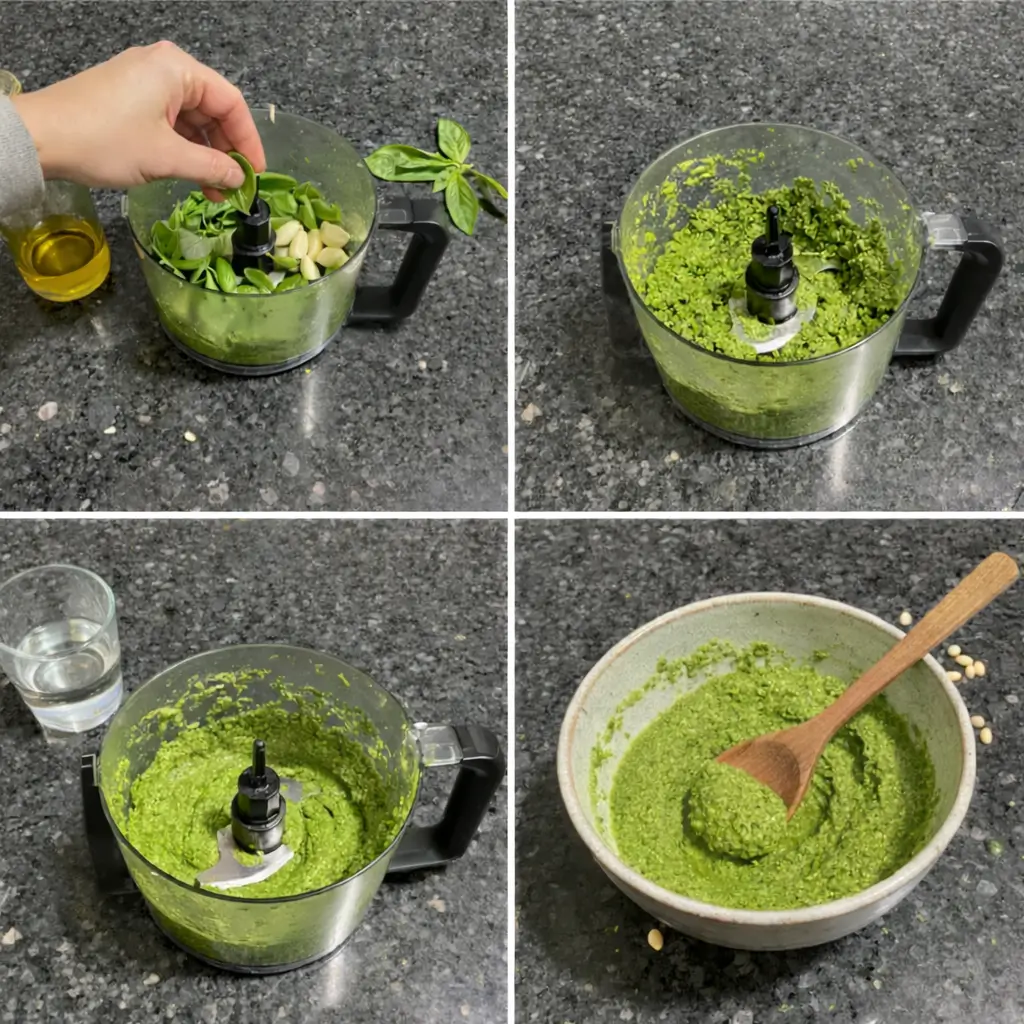
How to Make Vegan Pesto
Creating this vibrant vegan pesto is a straightforward and rewarding process. Gather your ingredients, and let’s get started on bringing these fresh flavors to life.
Prepare Your Ingredients
First, ensure your fresh basil has large stems removed. If you haven’t already, take your peeled garlic cloves and roast them until they are tender and slightly caramelized for that wonderful mellow sweetness. If you are using pine nuts or walnuts, I highly recommend toasting them lightly in a dry pan for a few minutes until fragrant. This simple step truly deepens their flavor before they go into the blend.
Combine Dry Ingredients & Initial Blend
To a food processor or small blender, add the prepared basil, toasted nuts or seeds, roasted garlic, fresh lemon juice, nutritional yeast, and sea salt. Secure the lid and blend or mix on high until these ingredients start to come together, forming a loose, bright green paste. You will notice the rich aroma of the herbs and garlic already beginning to fill your kitchen.
Achieve Creamy Consistency
Now, with the machine running if possible, slowly add the extra virgin olive oil a little at a time. Scrape down the sides of the food processor or blender as needed to ensure everything is incorporated evenly. Next, add 1 tablespoon (15 ml) of water at a time until your pesto reaches the desired consistency. You are aiming for a thick yet pourable sauce that is creamy and smooth. Remember, if your basil leaves are particularly juicy, you might not need as much water, which is completely normal. A common mistake is adding too much water too quickly, which can make your pesto runny. If you are avoiding oil altogether, simply use vegetable broth or just water in this step until you reach the perfect texture.
Taste and Adjust
Once you have achieved that lovely creamy texture, it is time for the most important step: tasting and adjusting the flavor. This is where you can truly make the pesto your own. Add more nutritional yeast for an extra cheesy flavor, a pinch more sea salt for overall balance, a few more nuts for nuttiness, a touch more garlic for a subtle zing, or additional lemon juice for a brighter acidity. You are aiming for a delightful balance of creamy, zesty, cheesy, garlicky, and bright flavors.
Enjoy Immediately or Store
Your beautiful mint-kissed vegan pesto is now ready to enjoy immediately with your favorite dishes, or it can be stored for later use, making meal times effortless.
Elevating Your Pesto: Troubleshooting & Ingredient Insights
Creating the perfect vegan pesto involves understanding your ingredients and knowing how to troubleshoot common issues. Let’s delve into some insights that will help you master this delicious sauce.
Choosing Your Basil: Varieties for Perfect Pesto
The type of basil you choose can significantly impact the flavor of your pesto. Genovese basil, with its sweet, peppery, and slightly anise-like notes, is the classic choice for pesto in Italian cuisine. Sweet basil is another popular option that provides a generally milder, sweeter flavor. For my unique mint-kissed pesto, I recommend combining sweet or Genovese basil with fresh mint to achieve that refreshing balance. Thai basil, with its licorice and spicy notes, and lemon basil, offering a citrusy aroma, could also be experimented with for a truly unique twist, but they will dramatically alter the traditional pesto flavor. Always select basil with vibrant, unblemished green leaves for the best taste.
Troubleshooting Common Pesto Problems
Even seasoned cooks can encounter a hiccup or two. Here are some solutions to common vegan pesto problems.
Pesto is too bitter: Bitterness can arise from several factors, such as using a very robust olive oil or over-processing the basil, which can release bitter compounds. While we use roasted garlic to avoid the sharpness of raw garlic, ensure your other ingredients are fresh. To fix bitter pesto, try adding a squeeze more lemon juice, a tiny pinch of sugar to balance, or a bit more nutritional yeast for umami depth. Adjusting the salt can also help.
Pesto is too oily/runny: If your pesto has too much oil or water, it can become runny. To thicken it up, you can try adding a few more nuts or seeds, a spoonful more nutritional yeast, or blending in a bit more fresh basil to absorb excess liquid and add bulk.
Pesto lacks flavor: Sometimes pesto can taste a little flat. The solution is often simple: taste and adjust. Ensure you have enough sea salt to bring out the flavors, adequate lemon juice for brightness, and sufficient nutritional yeast for that cheesy, savory kick. Also, confirm your nuts or seeds were toasted, as this makes a big difference in their contribution to the overall depth of flavor.
The Nutritional Edge: Swaps & Health Benefits
This vegan pesto is not only delicious but also packed with nutritional benefits, making it a wholesome addition to your diet. As a dairy-free and gluten-free sauce, it caters to various dietary needs.
Replacing pine nuts or walnuts with sunflower seeds or hemp seeds can alter the nutritional impact. Sunflower seeds provide vitamin E and healthy fats, while hemp seeds are a fantastic source of protein and omega-3 fatty acids. These alternatives maintain a good nutritional profile, often with different micronutrient strengths.
Basil itself is a powerhouse, rich in vitamin A and vitamin C, and known for its antioxidant properties. Nutritional yeast contributes B vitamins and, importantly, protein, making this vegan pesto even more satisfying. The healthy fats from the olive oil and nuts or seeds (whether pine nuts, walnuts, sunflower seeds, or hemp seeds) are essential for nutrient absorption and overall well-being. This pesto is generally low in sugar and can be made low in sodium by adjusting the sea salt to taste, offering a balanced profile of calories, fats, carbohydrates, and fiber.
Pro Tips & Troubleshooting
My kitchen philosophy is all about making delicious food accessible and foolproof. Here are my favorite pro tips and a rundown of common mistakes to help you master this vegan pesto.
Pro Tips
Toasting Nuts for Depth: Always take a few extra minutes to lightly toast your pine nuts or walnuts in a dry pan before blending. This simple step significantly enhances their flavor and adds a wonderful depth to your pesto.
Achieving the Perfect Consistency: When adding the extra virgin olive oil, stream it in slowly while your food processor or blender is running. Follow this by adding water gradually, one tablespoon at a time. Remember, if your basil is very fresh and juicy, you might need less water than expected to reach that ideal thick but pourable sauce.
Optimal Flavor Balance: The key to great pesto is balance. Always taste and adjust seasonings at the end. Don’t be shy about adding a little more lemon juice for brightness, nutritional yeast for cheesiness, or sea salt until the flavors truly pop for your preference.
Leverage Roasted Garlic & Mint: Embrace the unique flavors of this recipe. The roasted garlic provides a mellow, sweet undertone that is much less harsh than raw garlic, while the fresh mint adds a refreshing lift. These elements are what make this pesto truly special.
Scraping Down the Sides: During blending, stop occasionally to scrape down the sides of your food processor or blender. This ensures all ingredients are evenly incorporated and you get a smooth, consistent pesto.
Chill Before Serving (Optional): While delicious immediately, allowing your pesto to chill in the refrigerator for 30 minutes to an hour before serving can help the flavors meld and deepen even further.
Common Mistakes to Avoid
Over-processing: Blending your pesto for too long can generate heat, which can oxidize the delicate basil, causing it to turn a dull color and even taste bitter. Instead of continuous blending, use short pulses until you reach your desired consistency.
Adding Too Much Water: A common pitfall is adding too much water too quickly. This leads to runny pesto that lacks the creamy, luxurious texture we are aiming for. Always add water incrementally, watching the consistency closely.
Using the Wrong Nutritional Yeast: Make sure you grab plain, savory nutritional yeast flakes. Accidentally using a flavored variety, like BBQ or cheesy herb, will completely change the flavor profile of your beautiful vegan pesto.
Skipping the Taste Test: Never skip the final taste test! Pesto flavors can vary based on ingredient freshness and personal preference. Adjusting the salt, acidity from lemon, or cheesy notes from nutritional yeast at the end is crucial for a perfectly balanced sauce.
Ignoring Ingredient Quality: The quality of your ingredients, especially fresh basil and good extra virgin olive oil, makes a significant difference in the final taste of your pesto. Fresh, vibrant ingredients yield a fresh, vibrant pesto.
Serving & Storage
Once your mint-kissed vegan pesto is made, the possibilities for enjoying it are endless. Here are some of my favorite ways to serve it, along with essential storage tips to keep it fresh.
Serving Ideas
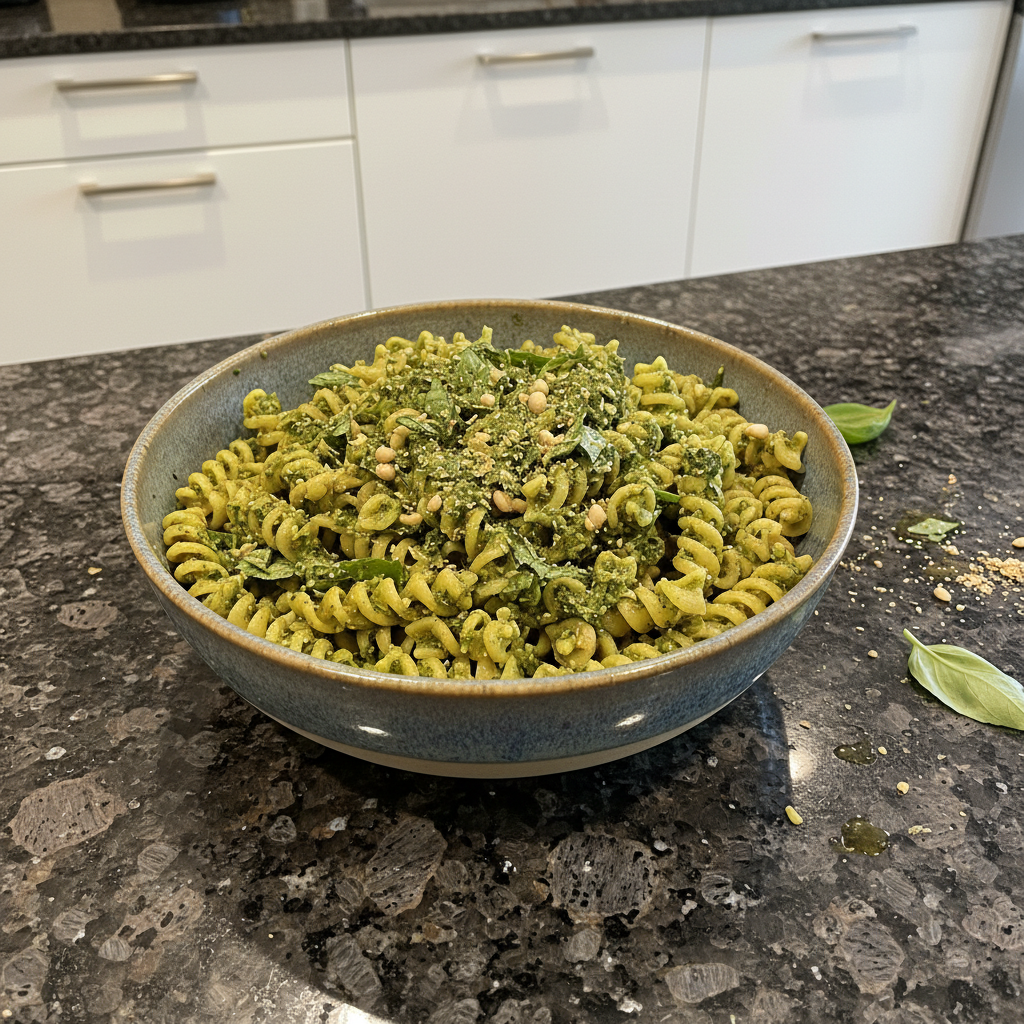
This vegan pesto is incredibly versatile. Beyond the classic pairing with pasta, where its fresh, mellow flavor truly shines, there are so many creative ways to incorporate it into your meals.
Classic Pairing: Toss it with your favorite warm pasta for a simple yet satisfying meal. If you need to reheat it for pasta, gently warm it over low heat or simply toss it with hot pasta water to loosen, avoiding high heat that can cook the herbs.
Unique Pairings: I love serving this vibrant sauce with butter beans and cavolo nero kale for a hearty side. It is also fantastic over spiralized zucchini or carrot noodles for a light, healthy dish. Regarding carrot greens, they are generally quite strong in flavor and not ideal for this pesto recipe. However, if you have very young, tender carrot greens, they could be added sparingly to a mixed green salad or potentially blended into a dressing, but they are not typically a direct substitute or addition for pesto.
Spreads & Dips: Spread it generously on sandwiches, wraps, or toast for a flavorful boost. It also makes a wonderful dip for crackers, fresh vegetables, or stirred into hummus for an extra layer of flavor.
Flavor Boosters: Stir a dollop into soups, dressings, or grain bowls for an instant upgrade. It is also fantastic dolloped onto roasted vegetables or grilled proteins to add a fresh, herbaceous kick.
Appetizers: Serve it on bruschetta or as a crostini topping for an elegant appetizer that comes together quickly.
Storage & Make-Ahead Tips
This vegan pesto is excellent for making ahead, and storing it properly will ensure its vibrant flavor and color last.
Refrigeration: To store leftovers, transfer the pesto to an airtight container. Pour a thin layer of extra virgin olive oil over the surface of the pesto before covering it tightly. This layer of oil helps prevent oxidation, which can cause the pesto to brown, and keeps it fresh. Stored this way, your pesto will keep beautifully in the refrigerator for up to 1 week.
Freezing: This pesto freezes wonderfully for longer storage. To freeze it for later, pour the freshly made pesto into ice cube molds. Once completely frozen, pop the pesto cubes out and transfer them to a freezer-safe bag or airtight container. Label the container with the date. Frozen pesto will maintain its quality for 1 month or more. Freezing in individual portions like this is incredibly convenient, allowing you to thaw just the amount you need.
How to Thaw: To use frozen pesto, you can transfer the desired number of cubes to the refrigerator overnight to thaw. Alternatively, for quicker use, you can let them sit at room temperature for a couple of hours, or even add them directly to a warm dish, where they will melt and integrate.
Reheating for Pasta: When reheating pesto to serve with warm pasta, remember that high heat can cook the fresh herbs and cause the vibrant green color to dull. Instead, gently warm the pesto over very low heat in a saucepan, or simply toss it directly with hot, freshly drained pasta, allowing the pasta’s residual heat to warm the pesto through.
Conclusion
I hope you are as excited as I am about this mint-kissed vegan pesto. Its unique freshness and mellow flavor, brought by the subtle kick of mint and the sweetness of roasted garlic, truly set it apart. This Vegan Pesto is an easy, rewarding recipe that I believe home cooks of all skill levels will enjoy creating in their kitchens. Feel free to experiment with all the serving ideas I have shared, or even invent your own delightful variations. It is a fantastic way to add vibrant, healthy flavor to so many dishes. Print this recipe, share your creations with friends, and continue exploring the wonderful world of vegan cooking!
FAQ
Here are some frequently asked questions about making and enjoying this delicious vegan pesto.
What are good nut-free alternatives for pesto?
For a nut-free option, sunflower seeds or hemp seeds are excellent choices. They provide a similar texture and healthy fats without the nuts. You can also increase the nutritional yeast and basil for a delicious nut-free version.
How can I adjust the recipe to reduce the amount of oil used?
You can certainly reduce the oil. Start with the lower suggested amount of extra virgin olive oil (2 tablespoons) and make up the difference in consistency by adding more water, one tablespoon at a time, until you reach your desired texture. For an oil-free version, substitute the olive oil entirely with vegetable broth or just use water.
What are some tips for storing and freezing pesto?
For refrigeration, store pesto in an airtight container with a thin layer of olive oil on top to prevent browning. It lasts up to 1 week. To freeze, pour into ice cube molds, freeze, then transfer cubes to a freezer bag for up to 1 month or more. Thaw in the fridge overnight, at room temperature, or directly into a warm dish.
Can I make this recipe without lemon juice?
Lemon juice is key for brightness and acidity in pesto. While you could try a small amount of lime juice or apple cider vinegar as a substitute, it will alter the flavor profile. For the best result, I recommend including fresh lemon juice.
What are some creative ways to use vegan pesto?
Beyond pasta, try it as a sandwich spread, mixed into hummus, dolloped onto roasted vegetables or grilled proteins, stirred into soups or grain bowls, or spread on bruschetta. It is incredibly versatile!
How would I heat this back up for pasta?
To reheat pesto for pasta, avoid high heat. Gently warm it over very low heat in a saucepan, or simply toss it with hot, freshly drained pasta. The residual heat from the pasta will warm the pesto without cooking the herbs.
What if my basil has a weird taste?
The flavor of basil can vary based on variety, freshness, and growing conditions. If your basil has an off or bitter taste, it might be past its prime or a variety not ideal for pesto. Always choose fresh, vibrant basil, like Genovese or sweet basil, for the best results. Over-processing can also make pesto taste bitter, so blend in short pulses.
Mint-Kissed Vegan Pesto: Easy Recipe with Roasted Garlic Twist
Ingredients
Equipment
Method
- First, ensure your fresh basil has large stems removed. If you haven’t already, take your peeled garlic cloves and roast them until they are tender and slightly caramelized for that wonderful mellow sweetness. If you are using pine nuts or walnuts, I highly recommend toasting them lightly in a dry pan for a few minutes until fragrant. This simple step truly deepens their flavor before they go into the blend.
- To a food processor or small blender, add the prepared basil, toasted nuts or seeds, roasted garlic, fresh lemon juice, nutritional yeast, and sea salt. Secure the lid and blend or mix on high until these ingredients start to come together, forming a loose, bright green paste. You will notice the rich aroma of the herbs and garlic already beginning to fill your kitchen.
- Now, with the machine running if possible, slowly add the extra virgin olive oil a little at a time. Scrape down the sides of the food processor or blender as needed to ensure everything is incorporated evenly. Next, add 1 tablespoon (15 ml) of water at a time until your pesto reaches the desired consistency. You are aiming for a thick yet pourable sauce that is creamy and smooth. Remember, if your basil leaves are particularly juicy, you might not need as much water, which is completely normal. A common mistake is adding too much water too quickly, which can make your pesto runny. If you are avoiding oil altogether, simply use vegetable broth or just water in this step until you reach the perfect texture.
- Once you have achieved that lovely creamy texture, it is time for the most important step: tasting and adjusting the flavor. This is where you can truly make the pesto your own. Add more nutritional yeast for an extra cheesy flavor, a pinch more sea salt for overall balance, a few more nuts for nuttiness, a touch more garlic for a subtle zing, or additional lemon juice for a brighter acidity. You are aiming for a delightful balance of creamy, zesty, cheesy, garlicky, and bright flavors.
- Your beautiful mint-kissed vegan pesto is now ready to enjoy immediately with your favorite dishes, or it can be stored for later use, making meal times effortless.
Notes

Taya Bennett is the founder of YumEasyMeals, a platform dedicated to easy, delicious, and quick-to-prepare recipes for busy families. Passionate about everyday cooking, she simplifies meals with practical, accessible, and always delicious ideas.
Discover her creations at: yumeasymeals.com