This vegetarian pizza recipe is not only easy to make but also bursting with fresh flavors. We’re taking a classic and elevating it with a simple yet incredibly effective twist that will transform your pizza nights. Get ready to learn how to make a vegetarian pizza that rivals your favorite pizzeria’s!
Why You’ll Love This Recipe
- The Secret Ingredient: Garlic-Infused Olive Oil. Before adding any toppings, we’ll brush the crust with garlic-infused olive oil. This creates an aromatic and flavorful base that enhances every bite. The garlic complements the veggies and cheese, and the oil promotes a crispy, golden-brown crust. This is the KEY to great pizza.
- Packed with Freshness: This recipe is loaded with vibrant vegetables like spinach, artichoke hearts, bell peppers, red onion, cherry tomatoes, and Kalamata olives. Every slice is a healthy and delicious experience.
- Quick and Easy: From start to finish, you can have this pizza on the table in under an hour, perfect for busy weeknights.
- Customizable: Easily adapt the toppings to your liking, making it a family-friendly meal that everyone will enjoy.
Ingredients Needed
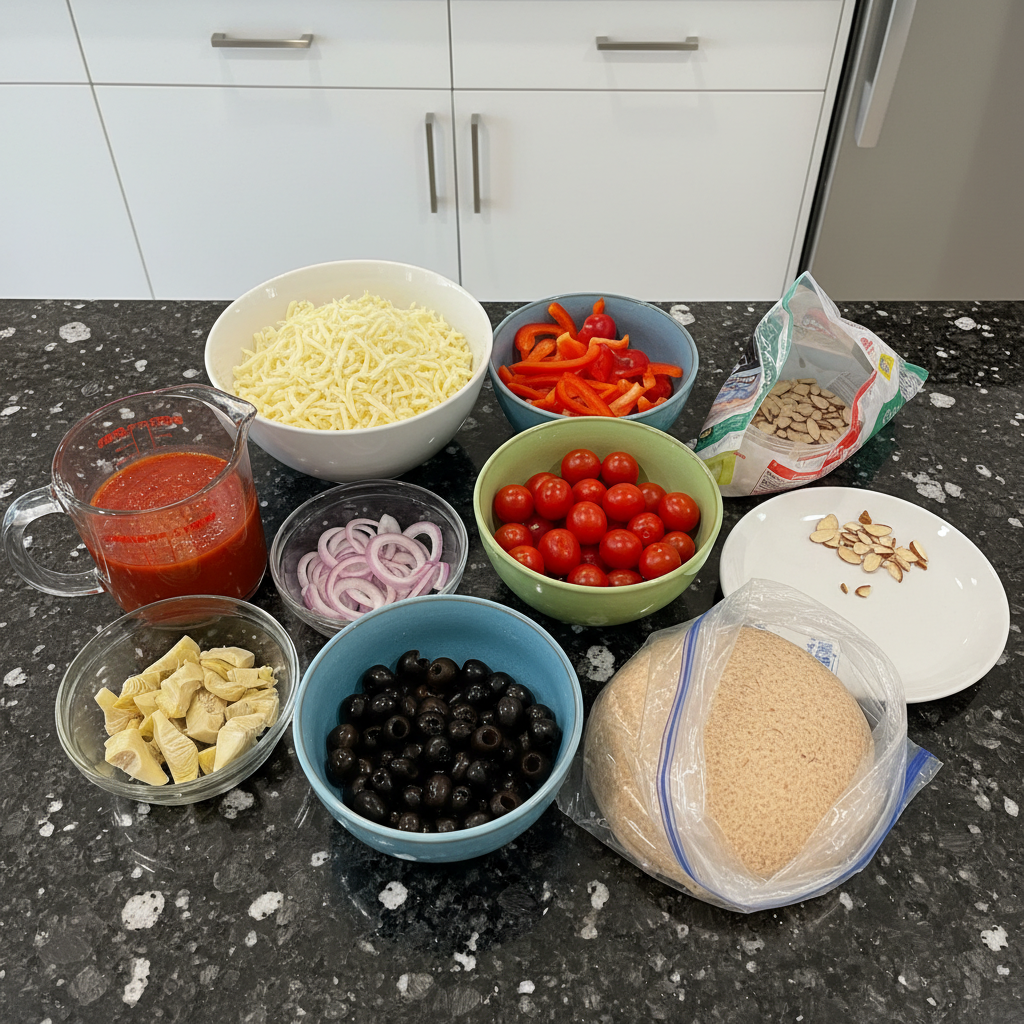
- 1 batch easy whole wheat pizza dough or 1 pound store-bought pizza dough
- 1 cup pizza sauce or marinara
- 2 cups baby spinach
- 2 to 3 cups (8 to 12 ounces) shredded low-moisture part-skim mozzarella cheese
- ½ cup jarred or canned artichoke, cut into 1” pieces
- ½ cup fresh red or orange bell pepper, cut into narrow 2″ strips
- ½ cup red onion, cut into thin wedges
- ½ cup halved cherry tomatoes
- ½ cup pitted Kalamata olives, halved lengthwise
- ½ cup sliced almonds (optional)
- Optional garnishes: Fresh basil (small leaves or torn), red pepper flakes and/or finely grated Parmesan cheese
Ingredient Notes & Substitutions
- Pizza Dough: Explore different pizza dough options. Whole wheat adds a nutty flavor, while store-bought dough saves time. Consider semolina flour for dusting to enhance crust crispness.
- Mozzarella Cheese: Low-moisture part-skim mozzarella is recommended to prevent a soggy pizza. Fresh mozzarella can also be used, but pat it dry before using. Vegan cheese alternatives can be used for a dairy-free option.
- Pizza Sauce: Marinara sauce is a great substitute for pizza sauce. Explore homemade pizza sauce recipes for richer flavor.
- Vegetables: This recipe uses a mix of Mediterranean vegetables. Feel free to experiment with other vegetables like mushrooms, zucchini, or eggplant. Roasting some vegetables beforehand can prevent a soggy pizza.
- Nuts: The sliced almonds add a nice crunch and flavor. However, they can be omitted for a nut-free pizza.
How to Make Vegetarian Pizza
Preheating and Prep
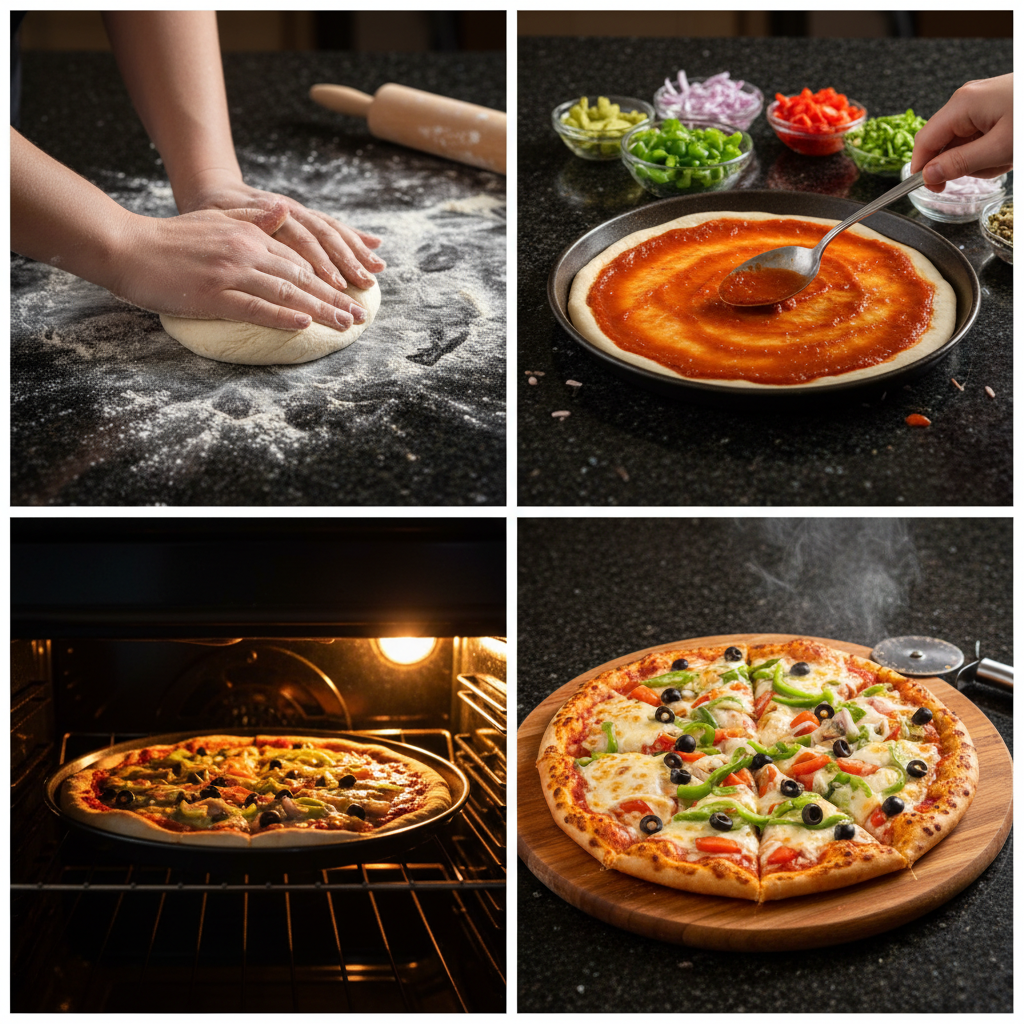
1. Preheat the Oven: Preheat the oven to 500 degrees Fahrenheit (260 degrees Celsius) with a rack in the upper third of the oven. If you’re using a baking stone or baking steel, place it on the upper rack. This high temperature is crucial for a crispy crust!
2. Prepare the Dough: Prepare pizza dough through its first proofing. If using store-bought dough, let it rest at room temperature for about 30 minutes before stretching.
3. Shape the Pizza: Divide the dough in half and shape each half into a 12-inch circle or rectangle on a lightly floured surface.
Assembling the Pizza
4. Garlic-Infused Olive Oil: Brush the shaped pizza dough generously with garlic-infused olive oil. This is the secret to an incredibly flavorful and crispy crust.
5. Add Sauce and Spinach: Spread pizza sauce evenly over the two pizzas, leaving about 1 inch bare around the edges. Evenly distribute the spinach on top of the sauce. Layer some fresh spinach between the pizza sauce and mozzarella to sneak in some greens.
6. Add Cheese and Toppings: Evenly distribute the mozzarella cheese on top of the spinach. Top the pizzas with artichoke, bell pepper, red onion, tomatoes, olives, and almonds (if using). Use all three cups of cheese if you want a cheesy pizza! Fresh bell pepper becomes nice and tender during the pizza’s short stint in a high-heat oven.
Baking and Serving
7. Bake the Pizzas: Bake pizzas individually on the top rack until the crust is golden and the cheese is golden and bubbly, about 10 to 12 minutes (or significantly less, if you’re using a baking stone/steel—keep an eye on it). Don’t stop baking until the cheese is deeply golden in spots. Otherwise, you might end up with floppy pizza that doesn’t live up to its true potential.
8. Garnish and Serve: Transfer pizzas to a cutting board and sprinkle with fresh basil, red pepper flakes, and Parmesan, if using. Slice and serve immediately! The aroma is amazing!
Mastering Pizza Dough: Homemade vs. Store-Bought
Making your own pizza dough from scratch can be incredibly rewarding, offering a depth of flavor and texture that store-bought options sometimes lack. However, it does require time and effort. Store-bought dough is a convenient alternative for busy weeknights, allowing you to enjoy a delicious vegetarian pizza without the extra steps.
When making homemade dough, consider experimenting with different types of flour. Whole wheat flour adds a nutty flavor and hearty texture, while white flour creates a softer, more traditional crust. “00” flour, finely ground Italian flour, results in a delicate and slightly chewy crust. Proper kneading and proofing are essential for developing gluten and achieving the desired texture. You can read more about different flours and their uses on sites like King Arthur Baking. Semolina flour can be used for dusting the pizza peel, preventing sticking and adding a subtle crispness to the crust.
If you’re short on time but still want a crispy crust, consider par-baking. This involves baking the crust for a few minutes before adding toppings. It helps to pre-cook the dough, preventing it from becoming soggy under the weight of the toppings.
Craving a side to go with your homemade pizza? Try pairing it with a refreshing arugula salad!
Vegan Vegetarian Pizza: Dairy-Free Adaptation
Creating a vegan vegetarian pizza is easier than you might think! The key is finding suitable dairy-free alternatives for cheese and ensuring any other ingredients are also vegan-friendly.
For cheese, there are numerous vegan mozzarella alternatives available. Some melt well and have a similar texture to traditional mozzarella, while others may have a slightly different consistency and taste. Experiment with different brands to find one you enjoy. Nutritional yeast can add a cheesy flavor to the pizza if you prefer a less melty option. You can also use a cashew-based cheese sauce for a creamy and rich base.
Most pizza dough and pizza sauce are naturally vegan, but double-check the labels to be sure. If you’re using store-bought dough, ensure it doesn’t contain any milk or eggs. Marinara sauce is often a great substitute for pizza sauce, and many varieties are vegan-friendly. To learn more about vegan marinara sauce options, consider checking out a resource like Eat This, Not That’s guide to marinara sauces. With a few simple swaps, you can enjoy a delicious and cruelty-free vegetarian pizza.
Pro Tips & Troubleshooting
Pro Tips
- Brush the crust generously with garlic-infused olive oil for maximum flavor and crispness. This is key!
- Preheat your baking stone or steel for at least 30 minutes for a super crispy crust.
- Don’t overload the pizza with toppings. Too many toppings can make the crust soggy.
- Use high-quality ingredients for the best flavor.
- If using fresh mozzarella, pat it dry before adding it to the pizza.
- Cut vegetables into uniform sizes so they cook evenly.
Common Mistakes to Avoid
- Not preheating the oven to a high enough temperature.
- Using too much sauce.
- Overloading the pizza with toppings.
- Not letting the dough rest before stretching.
- Opening the oven too often during baking, which can lower the temperature and affect the crust.
Serving & Storage
Serving Ideas
- Serve hot from the oven with a sprinkle of red pepper flakes, fresh basil leaves, and finely grated Parmesan.
- Pair with a fresh side salad, such as a simple arugula salad with lemon vinaigrette.
- Offer a selection of dipping sauces, such as pesto or balsamic glaze.
- Add cut up pickled pepperoncini for a savory kick.
Storage and Make-Ahead
- Leftover pizza keeps well in the refrigerator for up to 4 days.
- For longer storage, freeze the pizza for several months. Wrap tightly in plastic wrap and then aluminum foil.
- To reheat, bake in a preheated oven at 350 degrees Fahrenheit (175 degrees Celsius) until heated through and the crust is crispy.
- Can this recipe be made ahead of time? Yes, prepare the dough and toppings in advance. Assemble the pizza just before baking.
Conclusion
This Vegetarian Pizza recipe is a guaranteed crowd-pleaser, thanks to the flavorful garlic-infused crust and the abundance of fresh vegetables. Whether you’re a seasoned pizza maker or a beginner, this recipe is easy to follow and customizable to your liking. Get creative with your toppings, and don’t be afraid to experiment! Now, go ahead and bake up a delicious vegetarian pizza that everyone will love.
FAQ
- What are some good substitutions for whole wheat pizza dough? You can use white flour pizza dough, store-bought dough, or even a gluten-free crust. Adjust baking time accordingly.
- What vegetables work best on pizza? Bell peppers, onions, tomatoes, spinach, mushrooms, and artichoke hearts are all great choices. Roasting some vegetables before adding them to the pizza can prevent a soggy crust.
- How do I get a crispy crust? Preheat your oven to a high temperature (500°F or 260°C), use a pizza stone or baking steel, and brush the crust with garlic-infused olive oil.
- How long does leftover pizza last? Leftover pizza will last for up to 4 days in the refrigerator.
- How can I adjust the cooking time if I don’t have a pizza stone? Without a pizza stone, the cooking time may be slightly longer. Keep an eye on the pizza and bake until the crust is golden brown and the cheese is melted and bubbly.
- Can this recipe be made ahead of time? Yes, prepare the dough and toppings in advance. Assemble the pizza just before baking.
- Can I use different types of cheese? Yes, feel free to experiment with different types of cheese, such as provolone, mozzarella, or even goat cheese. Vegan cheese also works well!
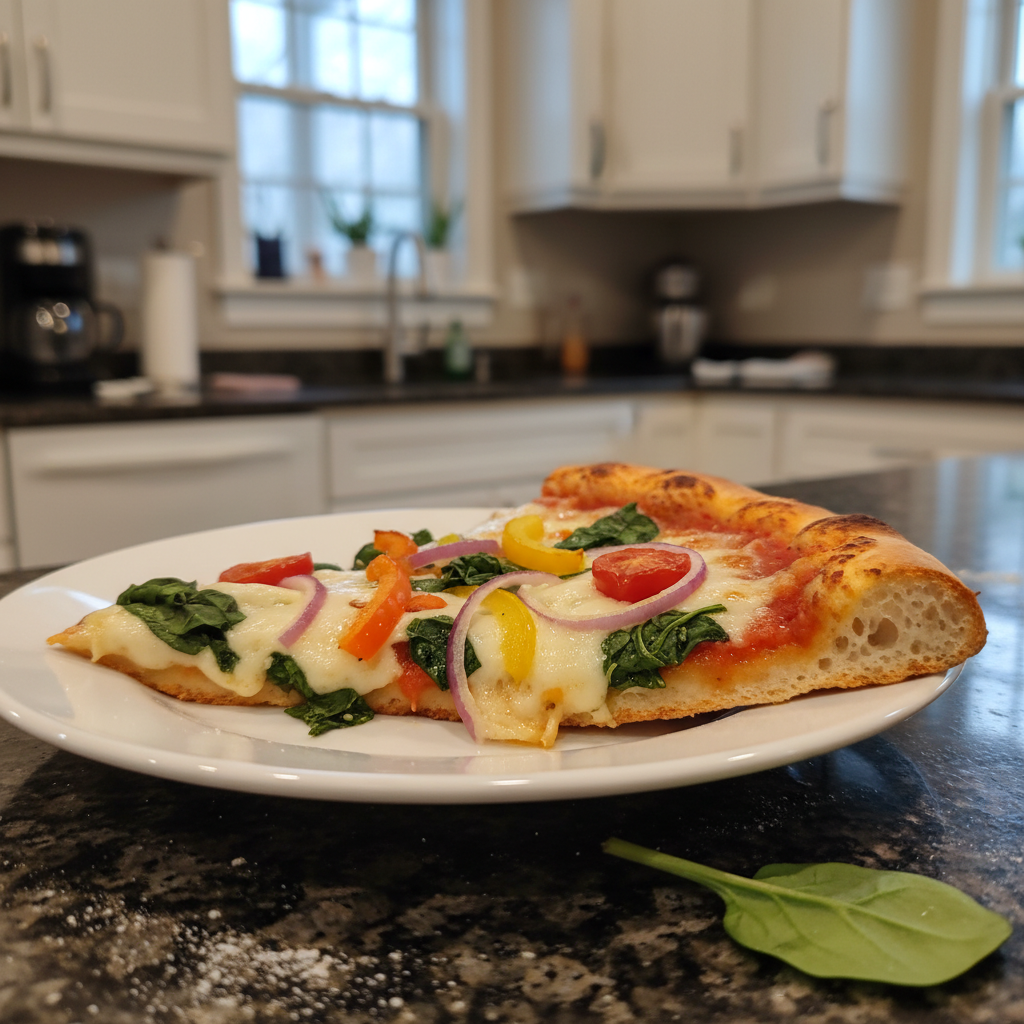
Vegetarian Pizza
Ingredients
Equipment
Method
- Preheat the oven to 500 degrees Fahrenheit (260 degrees Celsius) with a rack in the upper third of the oven. If you’re using a baking stone or baking steel, place it on the upper rack.
- Prepare pizza dough through its first proofing. If using store-bought dough, let it rest at room temperature for about 30 minutes before stretching.
- Divide the dough in half and shape each half into a 12-inch circle or rectangle on a lightly floured surface.
- Brush the shaped pizza dough generously with garlic-infused olive oil.
- Spread pizza sauce evenly over the two pizzas, leaving about 1 inch bare around the edges. Evenly distribute the spinach on top of the sauce. Layer some fresh spinach between the pizza sauce and mozzarella.
- Evenly distribute the mozzarella cheese on top of the spinach. Top the pizzas with artichoke, bell pepper, red onion, tomatoes, olives, and almonds (if using). Fresh bell pepper becomes nice and tender during the pizza’s short stint in a high-heat oven.
- Bake pizzas individually on the top rack until the crust is golden and the cheese is golden and bubbly, about 10 to 12 minutes. Keep an eye on it.
- Transfer pizzas to a cutting board and sprinkle with fresh basil, red pepper flakes, and Parmesan, if using. Slice and serve immediately!
Notes

Taya Bennett is the founder of YumEasyMeals, a platform dedicated to easy, delicious, and quick-to-prepare recipes for busy families. Passionate about everyday cooking, she simplifies meals with practical, accessible, and always delicious ideas.
Discover her creations at: yumeasymeals.com