Welcome to my kitchen, where today we are making a truly exceptional Greek Pasta Salad. This is more than just a simple side dish; it is a vibrant and flavorful main course contender, perfect for any occasion. We are elevating the classic Greek pasta salad by adding grilled halloumi cheese, which brings a delightful salty, savory, and smoky twist. This easy-to-make dish is ideal for your next potluck, barbecue, or a refreshing light lunch. Get ready to create a colorful and satisfying meal that will quickly become a family favorite.
Why You’ll Love This Grilled Halloumi Greek Pasta Salad Recipe
The halloumi twist truly makes this recipe special. Grilling halloumi adds a fantastic salty and smoky flavor that complements the fresh vegetables and tangy vinaigrette beautifully. It is a simple addition that takes the entire Greek pasta salad to a new level.
This recipe offers perfectly balanced flavors. The combination of crisp fresh vegetables, creamy feta cheese, and a zesty Greek vinaigrette creates a symphony of flavors that is both refreshing and incredibly satisfying. Every bite is a burst of Mediterranean delight.
This Greek pasta salad is meal prep friendly. The flavors meld together wonderfully as it sits in the fridge, making it an excellent choice for lunches or quick dinners throughout the week. It often tastes even better the next day.
It is also a crowd-pleasing dish. This Greek pasta salad is always a hit at parties and gatherings. It is a guaranteed crowd-pleaser that everyone, including those following a Mediterranean diet, will enjoy.
Ingredients Needed

3 cups mini bowtie pasta
1/2 cup kalamata olives
1/3 cup red onion (diced, see note 1)
2 cups Persian cucumbers (or English cucumber, cut into half moons, see note 2)
2 cups cherry tomatoes (halved; 1 pint)
1 green bell pepper (diced)
1/4 cup finely chopped flat-leaf parsley
1/2 cup feta cheese (crumbled or cubed)
1/4 cup + 2 tablespoons olive oil
1-1/2 tablespoons lemon juice
1-1/2 tablespoons honey
1-1/2 tablespoons Dijon-style mustard
1 teaspoon minced garlic
1-1/2 teaspoon dried oregano
3 tablespoons red wine vinegar
3/4 teaspoon salt
1/2 teaspoon pepper
Halloumi cheese, for grilling
Ingredient Notes & Substitutions
For pasta, bowtie pasta (farfalle) is a classic choice for this Greek pasta salad, but rotini or penne also work very well. If you need a gluten-free option, lentil or brown-rice pasta are great alternatives.
Regarding red onion, if you find its flavor too strong, I have a simple tip. Soak the diced onions in ice water for 10 minutes to mellow their sharpness. This step really helps to achieve a balanced flavor profile.
For cucumber, Persian cucumbers typically have thinner skin and fewer seeds compared to English cucumbers. Both types work wonderfully in this salad, so use what you can easily find.
When choosing feta cheese, look for authentic Greek feta made with sheep’s milk for the most traditional and rich flavor. If you are watching your sodium intake, you can soak the feta in water for about 30 minutes before using it. For a vegan option, consider a plant-based feta alternative or nutritional yeast for a cheesy hint.
Our star ingredient is Halloumi cheese. Halloumi is a unique semi-hard cheese that is absolutely perfect for grilling because it does not melt away. You can usually find it in most well-stocked grocery stores, often in the specialty cheese section or the Mediterranean aisle. While you can omit it, the grilled halloumi really adds a unique and delicious element to this pasta salad.
For olive oil, I always recommend using a good-quality extra virgin olive oil for the dressing. The flavor truly shines through and makes a difference in the overall taste of your Greek pasta salad.
As for honey, if you are looking for a vegan substitute, maple syrup can be used in its place in the dressing.
How to Make Grilled Halloumi Greek Pasta Salad
Cook the Pasta
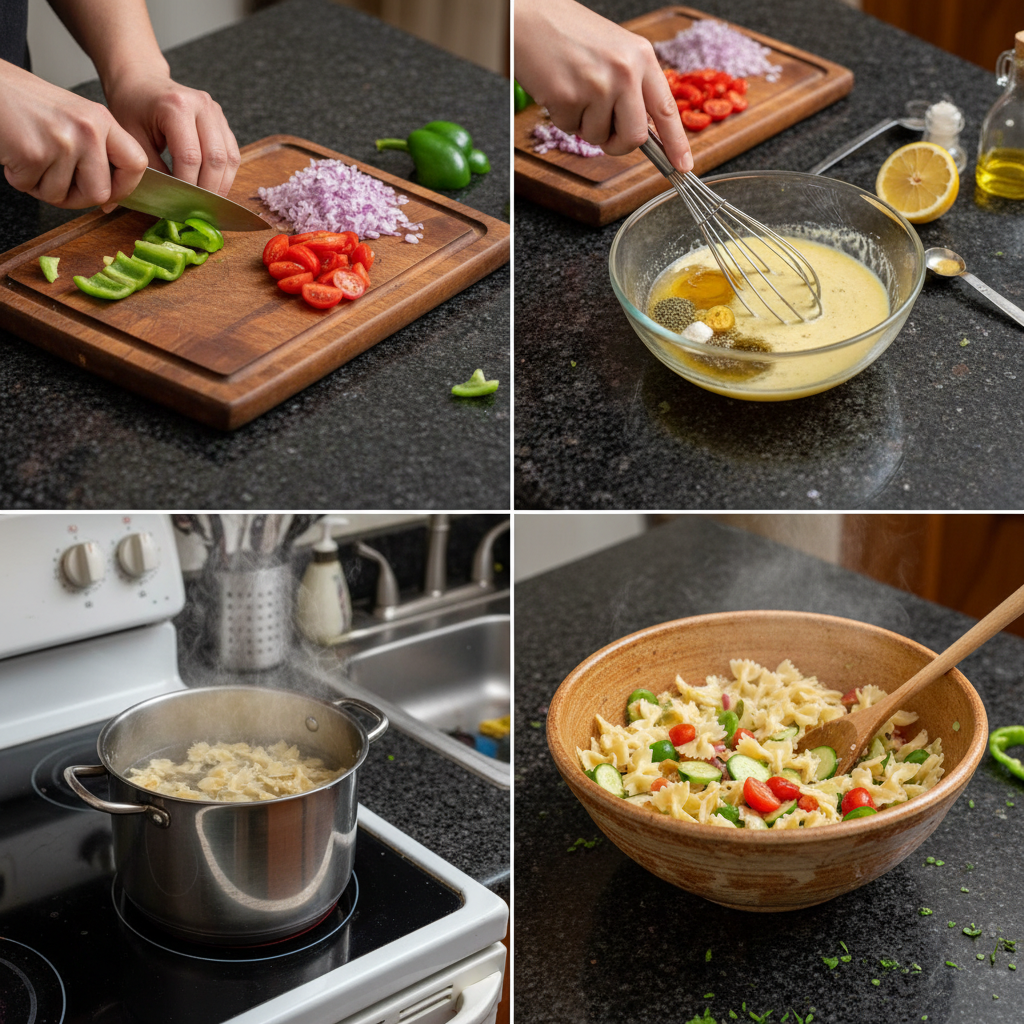
First, bring 12 cups of water to a rolling boil in a large pot. Add 1 tablespoon of salt to the water, then add your pasta. Cook the pasta al dente according to the package directions, which usually takes about 8 to 10 minutes. This ensures the pasta holds its shape beautifully in the salad. Once cooked, drain the pasta and rinse it in cold water for about 20 seconds to stop the cooking process. Shake off any excess water and set it aside to cool completely.
Prepare the Dressing
Next, it is time to make our flavorful vinaigrette. In a mason jar, combine all the dressing ingredients: olive oil, fresh lemon juice, honey, Dijon mustard, minced garlic, dried oregano, red wine vinegar, salt, and pepper. Make sure to juice your lemon to get exactly 1-1/2 tablespoons of lemon juice. Seal the jar tightly and shake it thoroughly to combine everything, ensuring no honey sticks to the bottom. Refrigerate the dressing until you are ready to use it.
Prep the Veggies
While the pasta is cooking and cooling, take some time to prep your fresh vegetables. Dice the red onion, slice the cucumbers into half moons, halve the cherry tomatoes, and dice the green bell pepper. Don’t forget to finely chop the flat-leaf parsley for a fresh, herbaceous touch.
Grill the Halloumi
Now for our special twist: the halloumi! Cut the halloumi cheese into bite-sized cubes. For easier handling, you can thread them onto skewers. Grill or pan-fry the halloumi until it is beautifully golden brown and slightly softened. This adds a wonderful smoky flavor and a tender texture.
Assemble the Salad
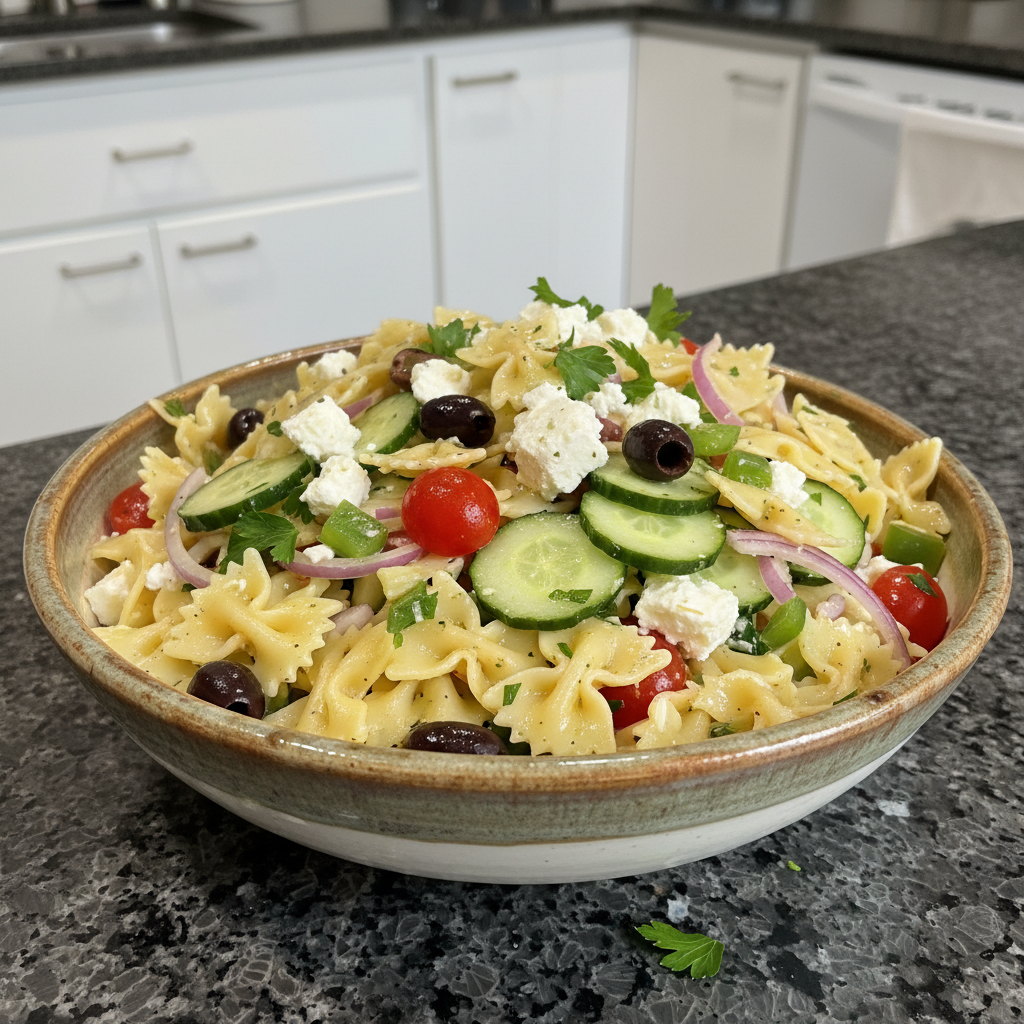
Once the pasta is completely cooled, add it to a large mixing bowl. Scatter all the prepped vegetables on top of the pasta. Give your dressing another good shake, then drizzle it generously over the salad. Finally, crumble or cube your feta cheese over the top and add the warm, grilled halloumi. Toss everything gently to combine. Taste and adjust seasonings as needed, perhaps a little more salt or pepper.
Chill and Serve
For the best flavor and for the flavors to truly meld together, chill the salad for at least 30 minutes before serving. This also helps the grilled halloumi maintain its shape and texture in the Greek pasta salad.
All About Halloumi
What is Halloumi? Halloumi is a semi-hard, brined cheese traditionally made from goat’s or sheep’s milk, or sometimes a combination. It originates from Cyprus and is well-loved in Greek cuisine and throughout the Mediterranean diet. It is famously known for its high melting point, which makes it perfect for cooking methods like grilling or frying, where it develops a delicious crispy crust without losing its form. This unique property allows it to absorb smoky flavors beautifully.
How to Grill Halloumi: Grilling halloumi is surprisingly simple and incredibly rewarding for this Greek pasta salad. First, ensure your grill grates are clean and lightly oiled to prevent sticking. Cut the halloumi into 1/2-inch thick slices or cubes, as instructed in our recipe for easier handling on skewers. Grill over medium-high heat for about 2-3 minutes per side, or until beautiful golden-brown grill marks appear and the cheese is slightly softened. The smoky flavor imparted by grilling is truly a game changer for this dish.
Where to Find Halloumi: Halloumi cheese has become increasingly popular and is now widely available. You can typically find it in the specialty cheese section of most well-stocked grocery stores. Sometimes it is located near other Mediterranean products or international cheeses. Look for it packaged in brine, which keeps it fresh.
Make-Ahead Tips & Preventing a Soggy Salad
Why Chilling Matters: Chilling the pasta salad is crucial for two main reasons. First, it allows the vibrant flavors of the vegetables, feta, and vinaigrette to meld and deepen, creating a more harmonious and delicious Greek pasta salad. Second, it helps prevent the salad from drying out. Cold pasta is also less likely to absorb too much dressing too quickly, keeping the texture perfect.
How to Make Ahead: This Greek pasta salad is excellent for meal prep. To make it ahead without it getting soggy, I recommend preparing the pasta and vegetables, and making the dressing separately. Store the cooled pasta and chopped veggies in airtight containers in the refrigerator. Prepare the halloumi just before serving for the best texture. Then, toss everything together with the dressing right before you are ready to enjoy it.
Dressing on the Side: For maximum freshness and to prevent any sogginess, especially if you are preparing this far in advance or taking it to a potluck, consider serving the dressing on the side. Guests can then add as much or as little as they prefer, ensuring every bite is perfectly dressed.
Ingredient Prep: To save time, chop all your vegetables like red onion, Persian cucumbers, cherry tomatoes, and green bell pepper ahead of time. Store them in separate airtight containers in the refrigerator. This way, assembly becomes a breeze when you are ready to make your delicious Greek pasta salad.
Pro Tips & Troubleshooting
Pro Tips
Always salt the pasta water. Even though the pasta will be tossed in a flavorful vinaigrette, salting the pasta water ensures that the pasta itself is seasoned from the inside out, creating a more flavorful base for your Greek pasta salad.
Do not overcook the pasta. Cook the pasta only until it is al dente, meaning it still has a slight bite. This is crucial to prevent it from becoming mushy in the salad, especially after it absorbs some of the dressing.
Cool the pasta completely. Make absolutely sure the pasta is fully cooled before adding it to the salad. Warm pasta can wilt your fresh vegetables and affect the overall texture and freshness of your Greek pasta salad.
Always taste and adjust. After assembling the salad, always taste it. Adjust the seasonings as needed, adding more salt, pepper, lemon juice, or even a touch more honey to suit your personal preference.
Grill the halloumi right before serving. For the best texture and warm, smoky flavor, grill the halloumi cheese just before you plan to serve the Greek pasta salad. It is best enjoyed when it is still warm and slightly softened.
Common Mistakes to Avoid
One common mistake is adding too much dressing at once. Pasta tends to absorb dressing over time, so if you add too much initially, the salad might become too wet or oily later. Start with most of the dressing, then add more as needed if the salad appears dry after sitting for a bit.
Another error is overcooking the pasta. Overcooked pasta will become mushy and unappetizing in the salad, lacking the desired al dente texture. Stick to package directions for firmness.
Skipping the chilling time is also a mistake. Chilling the salad allows the flavors to truly meld together and actually helps prevent the salad from drying out, as the pasta settles and absorbs flavors evenly.
Finally, not dicing vegetables uniformly can impact your salad. Dicing the vegetables uniformly ensures that they are distributed evenly throughout the Greek pasta salad and creates a more visually appealing and enjoyable dish.
Serving & Storage
Serving Ideas
This Greek Pasta Salad is incredibly versatile. I love serving it with grilled chicken, perfectly cooked shrimp, or a flaky grilled fish for a complete and satisfying meal. It also pairs wonderfully with classic Greek dishes like grilled Greek chicken or baked Greek meatballs on the side.
Consider serving it alongside warm pita bread and a creamy hummus for a delightful Mediterranean spread. Roasted vegetables, such as bell peppers and zucchini, also make a fantastic accompaniment.
For a refreshing beverage, pair your Greek pasta salad with a cool glass of homemade lemonade or iced tea. You can also incorporate it into a larger Meze Platter, alongside tzatziki, an assortment of olives, and extra feta. It is also an ideal addition to a picnic basket or a guaranteed hit when you take it to a potluck.
Storage and Make-Ahead
Store any leftover Greek pasta salad in an airtight container in the refrigerator for up to 3 days. Keep in mind that the pasta may absorb some of the dressing over time, so you might need to add a little extra olive oil or a splash of lemon juice before serving leftovers to refresh the flavors.
It is not recommended to freeze Greek Pasta Salad. The fresh vegetables, especially the cucumbers and tomatoes, will become mushy and lose their texture once thawed.
To prevent the salad from drying out, especially if you are storing it for a day or two, press a piece of plastic wrap directly onto the surface of the salad before sealing the container. This creates a barrier that keeps the pasta moist and delicious.
Conclusion
This Grilled Halloumi Greek Pasta Salad is truly a delicious and incredibly easy way to enjoy the vibrant flavors of Greece right in your own home. The clever addition of grilled halloumi cheese takes this classic pasta salad to an entirely new level, adding a salty, savory, and smoky flavor that is simply irresistible. Whether you are looking for a quick and satisfying lunch, a crowd-pleasing side dish for your next gathering, or a convenient meal prep option for the week, this recipe is sure to become a new favorite in your repertoire. I encourage you to give it a try and discover the joy of this unique Greek pasta salad!
Please feel free to share this wonderful recipe with your friends and family, and explore our other delicious pasta salad recipes for even more culinary inspiration.
FAQ
How do I keep Greek pasta salad from getting soggy?
To prevent a soggy Greek pasta salad, ensure the pasta is completely cooled before mixing it with other ingredients. You can also add the dressing just before serving or keep the dressing separate until you are ready to enjoy the salad.
What is the best pasta to use for Greek pasta salad?
Bowtie pasta (farfalle) is a classic and popular choice for Greek pasta salad, but rotini or penne also work very well. For those needing a gluten-free option, lentil or brown-rice pasta are great substitutes.
What are good substitutions for ingredients that may not be available?
If you cannot find halloumi cheese, you can certainly omit it, though it adds a unique flavor. For dairy-free needs, use a plant-based feta alternative or nutritional yeast, and substitute maple syrup for honey.
How do I make Greek Pasta Salad dairy-free?
To make this Greek Pasta Salad dairy-free, use a plant-based feta cheese alternative and substitute maple syrup for honey in the dressing. Ensure any other ingredients, like pasta, are dairy-free as well.
How far in advance can I make Greek pasta salad?
You can make this Greek Pasta Salad up to 2 days in advance. Store it in an airtight container in the refrigerator. For the best texture and to prevent sogginess, I recommend adding the dressing just before serving.
How should I store Greek pasta salad?
Store leftover Greek pasta salad in an airtight container in the refrigerator for up to 3 days. The pasta may absorb some of the dressing over time, so you might need to add a little more dressing or olive oil before serving.
What is the difference between Greek salad and Greek pasta salad?
A traditional Greek salad typically consists of fresh tomatoes, cucumbers, red onions, kalamata olives, and feta cheese, all dressed simply with olive oil and dried oregano. Greek pasta salad simply adds a cooked pasta to this mix, making it a heartier, more substantial, and often more filling dish.
Grilled Halloumi Greek Pasta Salad (Easy Recipe!)
Ingredients
Equipment
Method
- Bring 12 cups of water to a rolling boil in a large pot. Add 1 tablespoon of salt, then add your pasta.
- Cook the pasta al dente according to package directions (8-10 minutes). Drain and rinse in cold water for about 20 seconds to stop cooking. Shake off excess water and set aside to cool completely.
- In a mason jar, combine all dressing ingredients: olive oil, fresh lemon juice, honey, Dijon mustard, minced garlic, dried oregano, red wine vinegar, salt, and pepper.
- Seal the jar tightly and shake thoroughly to combine. Refrigerate the dressing until ready to use.
- Dice the red onion, slice the cucumbers into half moons, halve the cherry tomatoes, and dice the green bell pepper. Finely chop the flat-leaf parsley.
- Cut the halloumi cheese into bite-sized cubes. Optionally, thread them onto skewers.
- Grill or pan-fry the halloumi until golden brown and slightly softened, adding a smoky flavor and tender texture.
- Once the pasta is completely cooled, add it to a large mixing bowl. Scatter all prepped vegetables on top of the pasta.
- Shake the dressing again, then drizzle it generously over the salad. Crumble or cube feta cheese over the top and add the warm, grilled halloumi.
- Toss everything gently to combine. Taste and adjust seasonings as needed.
- Chill the salad for at least 30 minutes before serving to allow flavors to meld and the halloumi to maintain its shape and texture.
Notes

Emily Thompson is a home cook and food enthusiast who believes that great meals bring families together. She loves exploring creative twists on classic American comfort food, always testing new ideas in her kitchen. Emily is passionate about sharing simple, practical recipes and time-saving tips to help busy people enjoy cooking at home. Her approachable style makes every dish accessible, delicious, and perfect for those seeking inspiration for everyday meals and special occasions. Find Emily’s latest creations and kitchen wisdom on yumeasymeals.com.