There is nothing quite like the vibrant burst of fresh pesto to awaken your taste buds. Today, I am thrilled to share my absolute favorite Cilantro Pesto recipe, a true kitchen staple that brings unparalleled brightness and bold flavor to any meal. This easy-to-make sauce is incredibly versatile, transforming simple ingredients into something extraordinary. My special twist, a hint of Parmesan cheese, elevates the classic pesto profile, adding a delightful depth you will adore. Get ready to create the best homemade Cilantro Pesto you have ever tasted.
Why You’ll Love This Recipe
I crafted this Cilantro Pesto recipe with both flavor and convenience in mind. You are going to love how easily it fits into your cooking routine and how much it elevates your dishes.
The unique twist is the addition of a small amount of grated Parmesan cheese. While many cilantro pestos are strictly dairy-free, I found that just about 1/4 cup of good quality Parmesan introduces a familiar, classic pesto flavor element. It enhances the overall depth and provides a rich umami flavor that perfectly complements the fresh cilantro, making this pesto incredibly satisfying.
This recipe is quick and easy. It comes together in minutes in a food processor, making it perfect for those busy weeknights when you need a burst of flavor without the fuss.
It is incredibly versatile. Think of it as your new favorite condiment, a luscious sauce for pasta, a vibrant spread for sandwiches, or a flavorful addition to roasted vegetables.
Expect fresh and flavorful results every time. This Cilantro Pesto is packed with bright, bold flavors that truly make your dishes sing.
It is meal prep friendly. You can easily make a batch ahead of time and store it in the fridge or freezer, ensuring you always have a delicious flavor enhancer on hand.
Ingredients Needed
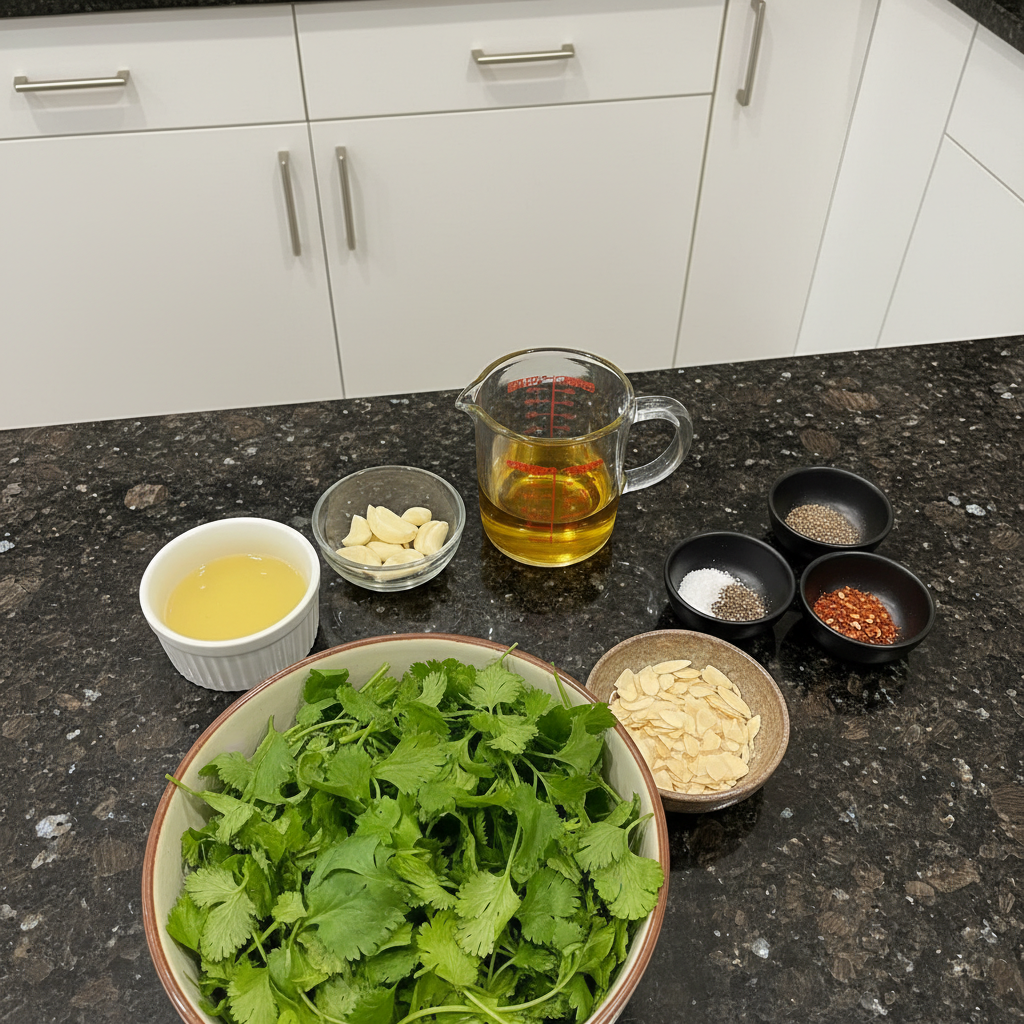
Gather these fresh ingredients, and you will be on your way to a fantastic Cilantro Pesto.
- 1/2 cup slivered almonds (or 2/3 cup whole almonds)
- 2 cups fresh cilantro (large stems removed)
- 2 garlic cloves
- 1/2 cup olive oil
- 1 1/2 tablespoons lemon juice
- 1/2 teaspoon salt
- 1/4 teaspoon pepper
- 1/4 teaspoon crushed red pepper (optional)
Ingredient Notes & Substitutions
Let us talk about some of these ingredients to ensure you get the best possible Cilantro Pesto.
Cilantro: Always choose the freshest, most vibrant green cilantro you can find. Look for perky leaves and avoid any yellowing or wilting, which indicates it is past its prime. While there are different varieties, focusing on quality and freshness from your local market is key for home cooks. Make sure to remove any large, tough stems. Beyond its distinctive taste, cilantro also offers several potential health benefits.
Almonds: I use almonds in this pesto instead of traditional pine nuts for a few reasons. They are often more cost-effective, readily available, and lend a delightful, distinct nutty flavor that I really enjoy. For an even deeper, richer nutty flavor, I highly recommend a quick toast of the almonds in a dry pan before you blend them. This simple step truly makes a difference.
Olive Oil: The quality of your olive oil truly matters here. I advise using a good quality, lighter-flavored olive oil. A strong, robust, or bitter olive oil can easily overpower the fresh, delicate flavors of the cilantro and lemon. Extra virgin olive oil is great, but ensure it is not too pungent.
Lemon Juice: Freshly squeezed lemon juice is non-negotiable for me. It provides that essential bright, zesty counterpoint that balances the richness of the oil and nuts. Bottled lemon juice just does not deliver the same vibrant taste.
Parmesan Cheese (for the Unique Twist): For the absolute best flavor and texture in your pesto, use freshly grated Parmesan cheese. Pre-grated varieties often contain anti-caking agents and lack the nuanced, rich umami flavor that freshly grated Parmesan provides.
Dietary Adaptations: Without the Parmesan, this Cilantro Pesto recipe is naturally vegan and dairy-free, making it accessible for many dietary needs. It is also gluten-free. For a Low FODMAP variation, you can sauté the garlic cloves whole in a bit of olive oil and then remove them before adding the infused oil to the food processor. This way, you get the garlic flavor without the problematic compounds.
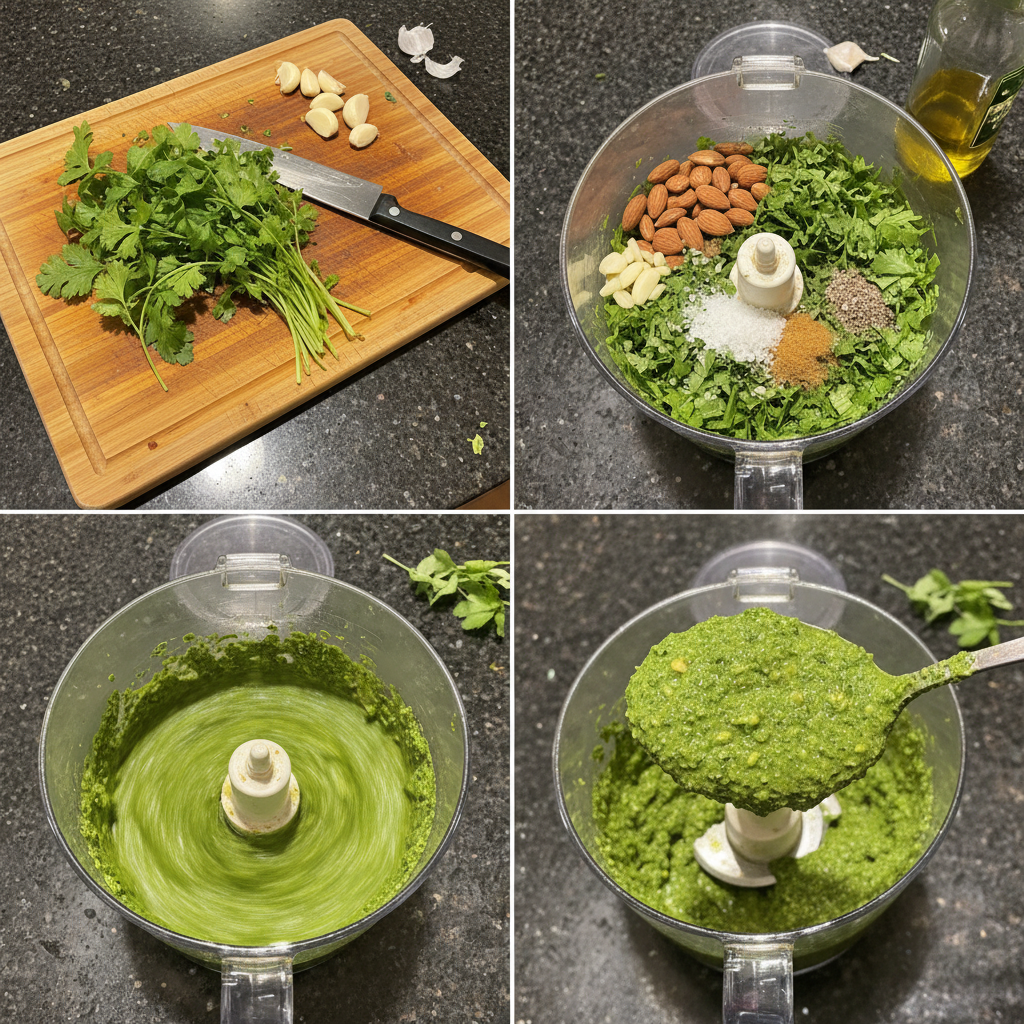
How to Make Cilantro Pesto
Making this Cilantro Pesto is incredibly straightforward. Just follow these simple steps for a beautifully vibrant and flavorful sauce.
Making the Pesto Base
Combine all ingredients, including the 1/4 cup of grated Parmesan cheese, in the bowl of a food processor. Process the ingredients, scraping down the sides of the bowl as needed, until the pesto is smooth and has a consistent, bright green color. You will notice the lovely aroma of fresh cilantro and garlic filling your kitchen as it blends. Take a small taste, then adjust the seasoning with additional salt and pepper, to your preference, until it is perfectly balanced.
Using Pesto as a Pasta Sauce
If you are planning to use this pesto as a pasta sauce, first cook 1 pound of your favorite pasta according to the package directions in a large pot of well-salted water. Before draining the pasta, make sure to reserve about 1/2 cup of the starchy pasta water. This reserved water is your secret weapon for achieving a silky, luscious sauce. Drain the pasta and then toss it with about 1 cup of the Cilantro Pesto sauce. Add 1 to 2 tablespoons of the reserved pasta water at a time, mixing well, until the sauce reaches your desired consistency, clinging beautifully to every strand.
Storing Your Fresh Pesto
To store your freshly made pesto sauce, transfer it to an airtight container. It can be refrigerated for up to 5 days, ready to use whenever you need a flavor boost. For longer storage, this pesto freezes beautifully for up to 6 months. We will discuss more detailed storage tips shortly.
How to Prevent Cilantro Pesto from Browning
It is disappointing when your beautiful, vibrant green Cilantro Pesto starts to turn brown. This browning is caused by oxidation, which happens when the pesto is exposed to air. But do not worry, I have some simple tricks to keep your pesto looking as fresh as it tastes.
Lemon Juice: The lemon juice in our recipe does more than just add brightness; it also acts as a natural antioxidant, helping to slow down the oxidation process. Ensuring you use fresh lemon juice is key for both flavor and color preservation.
Olive Oil Layer: My favorite tip for preserving the vibrant green is to pour a thin layer of olive oil directly over the surface of the pesto once it is in its storage container. This creates an airtight seal, preventing oxygen from reaching the pesto itself.
Airtight Containers: Always store your pesto in a truly airtight container. For an extra layer of protection, press a piece of plastic wrap directly onto the surface of the pesto before sealing the lid. This minimizes any air pockets.
Minimize Air Exposure: During and after preparation, try to minimize the time your pesto is exposed to air. Work quickly, and transfer it to its storage container as soon as it is blended.
While some pesto recipes suggest blanching the herbs to prevent browning, our recipe focuses on using fresh, raw ingredients for maximum flavor and brightness. Therefore, these storage tips are crucial for maintaining that gorgeous green hue.
Pro Tips & Troubleshooting
Here are some of my expert tips to ensure your Cilantro Pesto is always a success, along with common pitfalls to avoid.
Pro Tips
Use Lighter Olive Oil: As I mentioned, opt for a light-flavored extra virgin olive oil. A heavy or bitter olive oil will overpower the delicate cilantro and can leave an unpleasant aftertaste. You want the oil to be a carrier of flavor, not the dominant note.
Toast Your Almonds: A quick toast of your slivered or whole almonds in a dry skillet over medium heat for about 5-7 minutes, until fragrant, dramatically enhances their nutty flavor. Let them cool completely before adding them to the food processor for the best results. This small step adds incredible depth.
Proper Food Processor Technique: Instead of continuous blending, I recommend using short pulses. This gives you more control over the texture, helping you achieve a perfectly smooth yet not overworked pesto. Pulsing also prevents the blades from generating too much heat, which can warm the oil and diminish the freshness of the herbs.
Season as You Go: Always taste your pesto during the blending process. Add salt, pepper, and potentially a little more lemon juice to achieve that perfect balance of savory, bright, and fresh flavors. Your palate is the best guide.
Freshly Grated Parmesan: This is a game-changer for the unique twist in this recipe. Grating your own Parmesan cheese just before adding it ensures superior flavor and a smooth, melt-in-your-mouth texture. Pre-grated varieties often lack this quality and can sometimes be a bit gritty.
Batch Freezing: Make a double batch of this Cilantro Pesto and freeze it in ice cube trays. Once frozen, pop out the cubes and transfer them to a freezer-safe bag. This provides perfectly portioned amounts for quick meals whenever you need them.
Common Mistakes to Avoid
Over-processing: Blending your pesto for too long can generate excessive heat, which can bruise the delicate cilantro, making it bitter. It can also lead to a gummy or pasty texture, so aim for smooth but stop before it gets too warm or overworked.
Using Too Much Garlic: While garlic is essential for flavor, raw garlic can be quite potent. Stick to the two cloves specified in the recipe. If you are very sensitive to raw garlic, you can try blanching the cloves quickly in boiling water for 30 seconds before blending, or use the Low FODMAP method mentioned earlier.
Ignoring Seasoning: Skipping the final taste test and adjustment means you might miss out on a perfectly balanced pesto. Always taste and tweak the salt, pepper, and lemon juice to your personal preference.
Using Inferior Olive Oil: As mentioned, a strong, bitter olive oil will dominate the other fresh ingredients. Invest in a decent, mild-flavored extra virgin olive oil for the best results.
Not Removing Large Stems: While small, tender cilantro stems are fine and add to the texture, large, fibrous stems can introduce a stringy quality to your pesto or a slightly bitter taste. Take the time to remove them for a smoother finish.
Serving & Storage
Once you have made this delicious Cilantro Pesto, you will find countless ways to enjoy it. Here are some of my favorite ideas, along with how to store it properly.
Serving Ideas
Beyond Pasta: While it is incredible with pasta, this pesto is incredibly versatile. Slather it generously on pan-fried Atlantic salmon or any grilled fish for a vibrant finish. Toss it with roasted vegetables or beet spirals for an extra layer of flavor. Swirl a spoonful into soups or stews just before serving for a fresh boost. Whisk it into a simple vinaigrette for a lively salad dressing. Use it as a quick marinade for grilled shrimp, chicken, or tofu. Stir it into mayonnaise for a flavorful sandwich spread or a zesty dip. It is also fantastic simply served as a spread on crusty bread or crostini.
Pasta Pairings: For pasta dishes, choose shapes that truly capture the sauce well. I love it with linguine, fettuccine, or spaghetti, where the long strands get beautifully coated. Penne, fusilli, or orecchiette are also excellent choices because their nooks and crannies hold onto every bit of that flavorful pesto.
Storage and Make-Ahead
Refrigeration: Your Cilantro Pesto can be stored in the refrigerator for up to 5 days. Transfer it to an airtight container and, for best results, pour a thin layer of olive oil directly over the surface before sealing the lid tightly. This helps to prevent oxidation and keeps it beautifully green.
Freezing: This pesto freezes wonderfully for long-term storage, lasting up to 6 months. For easy portioning, I recommend freezing it in ice cube trays. Once the cubes are solid, pop them out and transfer them to a freezer-safe bag, pressing out as much air as possible. You can also freeze it flat in smaller freezer bags, which makes thawing quicker. Just lay the bag flat on a baking sheet until frozen, then store it upright.
Reheating and Thawing: To thaw frozen pesto, simply transfer it to the refrigerator overnight, or let it sit at room temperature for a few hours. I advise against using the microwave to thaw or reheat, as the heat can dull the fresh flavors. Once thawed, if it seems a little thick, stir in a splash of fresh olive oil or a tablespoon or two of warm pasta water until it reaches your desired consistency. It is then ready to be tossed with pasta or incorporated into your dish.
Conclusion
I hope you are as excited as I am about this Bright & Bold Cilantro Pesto. It is truly an effortless way to bring incredible freshness and flavor into your kitchen. The added Parmesan cheese provides that special depth and umami that sets it apart, making it a truly exceptional sauce. This recipe is accessible for cooks of all skill levels, and I encourage you to experiment with all the wonderful serving ideas and even try some variations of your own.
Do not hesitate to give this recipe a try; I promise it will become a new favorite. Share your delicious creations with me, and be sure to explore my other recipes for more culinary inspiration!
FAQ
Here are some common questions about making and storing Cilantro Pesto:
How much does this recipe make?
This recipe typically yields about 1.5 to 2 cups of Cilantro Pesto, which is enough to generously sauce 1 pound of pasta.
Can I freeze cilantro pesto?
Yes, absolutely! Cilantro Pesto freezes beautifully. You can freeze it in ice cube trays for individual portions, or in airtight containers or freezer bags for up to 6 months. Remember to cover it with a thin layer of olive oil before freezing to help preserve its vibrant color.
How long can cilantro pesto be stored in the refrigerator?
When stored properly in an airtight container with a thin layer of olive oil on top, your homemade Cilantro Pesto can be kept in the refrigerator for up to 5 days.
How can I prevent my cilantro pesto from turning brown?
To prevent browning, minimize air exposure. Store your pesto in an airtight container and pour a thin layer of olive oil over the surface to create a seal. Press plastic wrap directly onto the surface of the pesto before sealing the lid. The lemon juice in the recipe also acts as a natural antioxidant.
What are some delicious ways to use cilantro pesto?
Cilantro Pesto is incredibly versatile! Beyond pasta, try it with grilled fish or chicken, toss it with roasted vegetables, stir it into soups, use it as a sandwich spread, or mix it with mayonnaise for a flavorful dip. It also makes an excellent marinade.
What are the best nuts to use in cilantro pesto?
This recipe specifically uses slivered or whole almonds, which contribute a lovely nutty flavor and texture. You can toast them beforehand for an even deeper taste. Other nuts like walnuts or pine nuts can also be used as alternatives, each offering a slightly different flavor profile.
What are the best types of pasta for cilantro pesto?
For cilantro pesto, choose pasta shapes that are good at holding sauce. Long strands like linguine, fettuccine, or spaghetti work wonderfully. Shorter, textured shapes such as penne, fusilli, or orecchiette are also excellent as their grooves and cups capture the pesto beautifully.
Can this recipe be canned for long-term storage?
No, it is not recommended to can pesto due to its low acidity and oil content, which makes it unsafe for traditional home canning methods. Freezing is the safest and best method for preserving Cilantro Pesto for long-term storage.
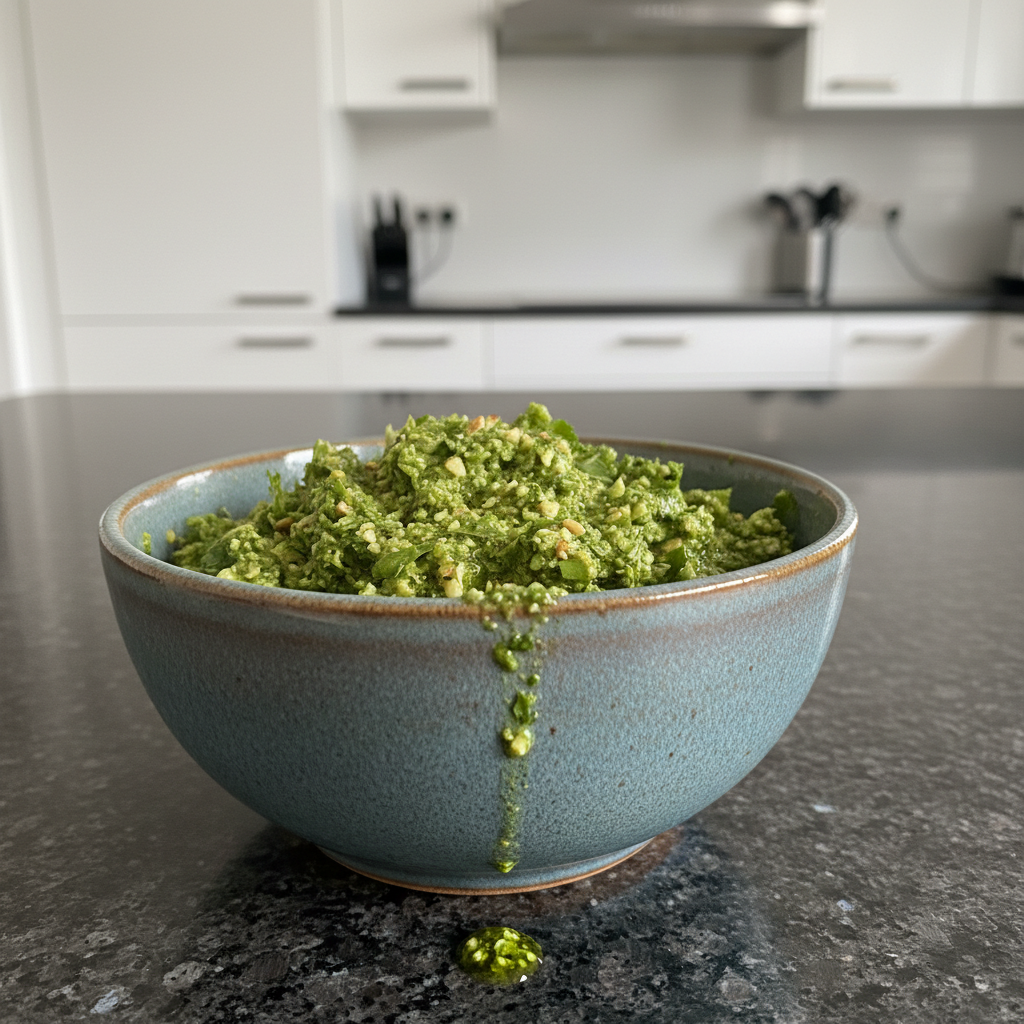
Bright & Bold Cilantro Pesto Recipe (with Parmesan Twist!)
Ingredients
Equipment
Method
- Combine all ingredients, including the 1/4 cup of grated Parmesan cheese, in the bowl of a food processor.
- Process the ingredients, scraping down the sides of the bowl as needed, until the pesto is smooth and has a consistent, bright green color.
- Take a small taste, then adjust the seasoning with additional salt and pepper, to your preference, until it is perfectly balanced.
Notes

Taya Bennett is the founder of YumEasyMeals, a platform dedicated to easy, delicious, and quick-to-prepare recipes for busy families. Passionate about everyday cooking, she simplifies meals with practical, accessible, and always delicious ideas.
Discover her creations at: yumeasymeals.com