Are you tired of bland, unsatisfying vegan butter alternatives? Have you been searching for a recipe that delivers on flavor and texture? You’re in the right place! This Homemade Vegan Butter recipe will change the way you think about dairy-free spreads. Get ready to learn how to make a flavorful, spreadable vegan butter with a unique nutty twist that elevates the taste beyond typical store-bought options. Prepare to enjoy a truly delicious, homemade alternative!
Why You’ll Love This Homemade Vegan Butter Recipe
This vegan butter isn’t just a substitute; it’s a delicious upgrade. Here’s why I think you’ll love it:
Deliciously Buttery and Rich: The secret ingredient? Toasted nuts! Infusing the coconut oil with toasted walnuts or pecans creates a depth of flavor that’s simply irresistible. The subtle sweetness of maple syrup makes it divine.
Easy to Make: Forget complicated recipes. This one uses simple steps and readily available ingredients, making it perfect for beginners and experienced cooks alike. It’s a straightforward process anyone can master.
Versatile in the Kitchen: This vegan butter is your new go-to for everything. Whether you’re spreading it on toast, using it in baking, or melting it over vegetables, it delivers a rich, buttery flavor every time. It’s truly a multi-purpose ingredient.
Ingredients Needed
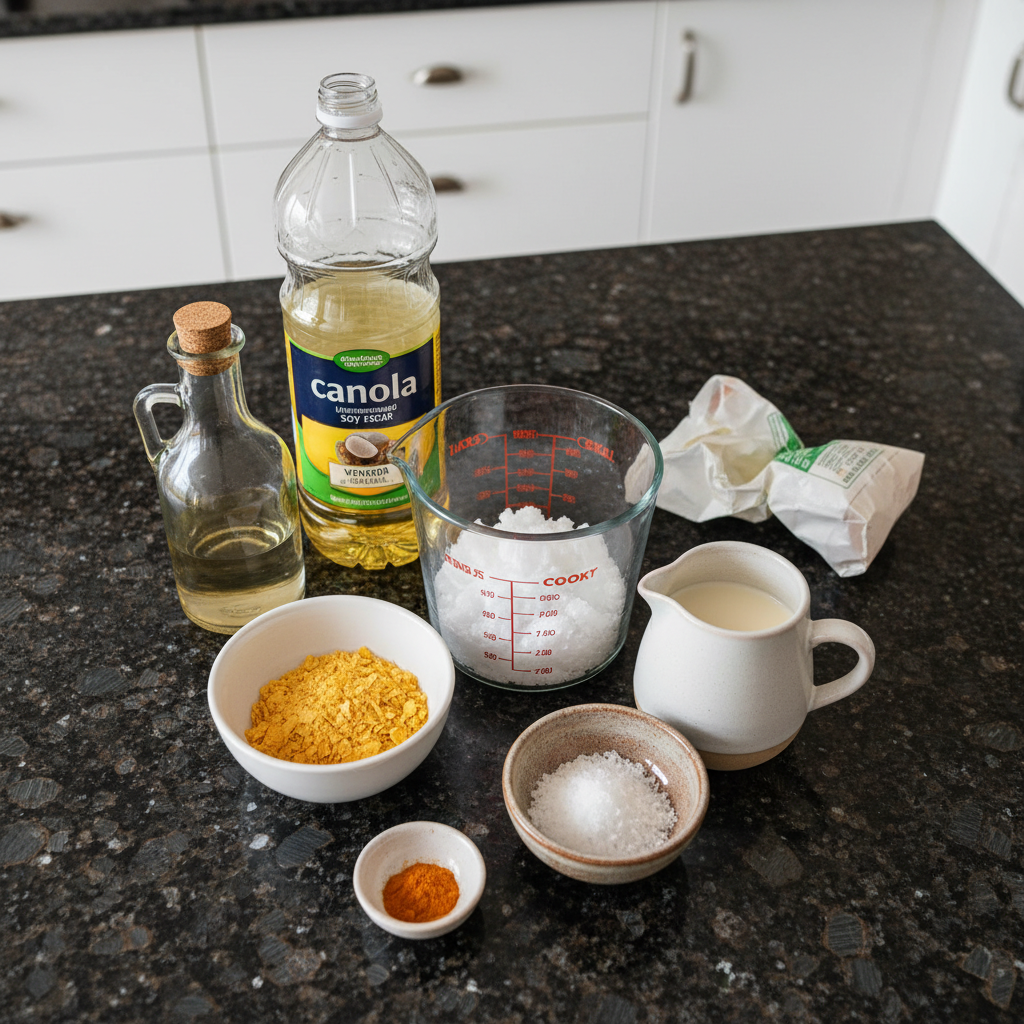
- 1 cup Refined Coconut Oil ((240ml) Melted*)
- 2 Tbsp Canola Oil (See Notes*)
- 1/3 cup Unsweetened Soy Milk (or Almond Milk (80ml))
- 1 tsp Apple Cider Vinegar
- 1 tsp Nutritional Yeast
- 1 Small Pinch Turmeric
- 1/2 tsp Salt
Ingredient Notes & Substitutions
Here’s a bit more about each ingredient and how you can customize the recipe.
Refined Coconut Oil: I strongly recommend refined coconut oil for this recipe. It has a neutral flavor, which allows the other flavors to shine through. Virgin coconut oil will impart a coconut flavor and result in a different, somewhat lard-like texture. For more information, you can check out this article about refined vs unrefined coconut oil.
Canola Oil: Canola oil helps create a softer, more spreadable butter. If you prefer, you can substitute it with avocado oil, which also has a neutral taste. Be careful with olive oil – while it can be used, it should be stirred in at the end to avoid a bitter taste when blended.
Soy Milk/Almond Milk: These add moisture and help emulsify the butter, creating a smooth and creamy texture. Make sure you use unsweetened versions to control the sweetness of your homemade vegan butter.
Nutritional Yeast: This adds a savory, cheesy flavor that enhances the buttery taste. If you’re not a fan, you can omit it without significantly altering the recipe.
Turmeric: The turmeric is purely for color. Use just a tiny pinch to give your butter a nice, natural yellow hue. Too much will affect the color.
How to Make Homemade Vegan Butter
Follow these simple steps to create your own delicious, nutty vegan butter.
Step 1: Combine the Oils
Add the melted refined coconut oil to your blender jug along with the canola oil. The coconut oil should be completely clear and liquid for the best results.
Step 2: Create Buttermilk
Add the apple cider vinegar to the unsweetened soy or almond milk and stir it in. Watch as it curdles into buttermilk – this reaction is key to achieving the right texture. Then, add the buttermilk to the blender.
Step 3: Add Dry Ingredients
Add the nutritional yeast, a small pinch of turmeric, and salt to the blender. Remember, just a tiny pinch of turmeric is all you need!
Step 4: Blend Until Smooth
Blend the mixture very well until it’s completely smooth. This might take a minute or two, depending on your blender. Scrape down the sides of the blender as needed to ensure everything is fully incorporated.
Step 5: Refrigerate to Set
Pour the blended mixture into a butter dish and refrigerate until it’s firm and set. This usually takes a few hours.
Step 6: Temper Before Serving
Remove the vegan butter from the fridge a few minutes before using, especially if you’re spreading it on fresh bread or creaming it with sugar for baking. This allows it to soften slightly and become more spreadable.
Achieving the Perfect Consistency
Getting the right consistency is key to making the best homemade vegan butter. Here are a few tips to ensure success:
Using refined coconut oil is crucial for a smooth texture. Virgin coconut oil can result in a grainy or lard-like consistency.
The ratio of coconut oil to canola oil affects the butter’s firmness. If you prefer a softer butter, increase the amount of canola oil slightly.
Blending is essential! Blend the ingredients until they are perfectly smooth to avoid a grainy texture. If you notice any separation or graininess, it likely means the ingredients weren’t fully emulsified.
If you experience separation, try re-blending the butter after it has chilled slightly. This can help the ingredients bind together more effectively.
Graininess can also be caused by the coconut oil solidifying unevenly. Make sure the coconut oil is fully melted before blending and blend thoroughly.
Pro Tips & Troubleshooting
Pro Tips
- Toast the nuts lightly before infusing the coconut oil for a deeper flavor.
- Adjust the amount of maple syrup to your preferred level of sweetness.
- For a softer butter, increase the amount of canola oil.
- Freeze excess vegan butter for longer storage and thaw in the fridge when needed.
- Use a high-speed blender for the smoothest results.
- If using olive oil, do not blend it; stir it in at the end to avoid a bitter taste.
Common Mistakes to Avoid
- Using extra virgin coconut oil can result in a coconut flavor and a lard-like texture.
- Adding too much turmeric can result in a luminous yellow color. Use only a small pinch.
- Not blending long enough can result in a grainy texture.
- Using sweetened soy or almond milk.
Serving & Storage
Serving Ideas
- Spread on toast, bagels, or muffins.
- Use for frying mushrooms and spring onions.
- Cream with sugar for baking cookies or cakes.
- Melt on vegetables.
- Make garlic butter for bread. You can serve this with air fryer asparagus.
Storage and Make-Ahead
Your homemade vegan butter will last in the fridge for 3-5 days. Store it in an airtight container to maintain its freshness and prevent it from absorbing odors.
For longer storage, you can freeze it for up to 2 months. Wrap it tightly in plastic wrap and then place it in a freezer-safe bag or container. Thaw it in the fridge overnight before using.
If your vegan butter develops an off smell, a change in texture, or discoloration, it’s best to discard it. You can learn more about food spoilage on the USDA website.
Conclusion
Making your own homemade vegan butter is easier than you think, and this recipe’s nutty twist takes it to the next level! The toasted nuts and maple syrup add a unique flavor that you won’t find in store-bought versions. Don’t be intimidated if you’re new to vegan cooking; this recipe is incredibly simple. Feel free to experiment with different nuts or herbs to create your own signature blend. Give this recipe a try and let us know what you think!
FAQ
How long does homemade vegan butter last, and what’s the best way to store it?
It lasts for 3-5 days in the fridge when stored in an airtight container. For longer storage, freeze for up to 2 months.
What are the best oil alternatives to canola oil in this recipe?
Avocado oil is a great neutral-tasting alternative. Olive oil can be used, but stir it in at the end to avoid bitterness.
Can I use extra virgin coconut oil instead of refined coconut oil?
While you can, it’s not recommended. Extra virgin coconut oil has a strong coconut flavor and can result in a different texture.
What does nutritional yeast and turmeric do for this recipe?
Nutritional yeast adds a savory, cheesy flavor that enhances the buttery taste. Turmeric is used for color, providing a natural yellow hue.
Can I use this vegan butter for baking a flaky pie crust?
Yes, you can! Be sure to keep the butter very cold and cut it into the flour quickly to maintain its solid state for a flaky crust.
Can this butter be browned?
Yes, it can be browned, but watch it carefully as the soy milk solids can burn quickly. Use medium-low heat and stir constantly. For another vegan recipe idea, try making 30-minute potato cauliflower red lentil curry.
Can I freeze it?
Yes! For best results, wrap tightly in plastic wrap and then place it in a freezer-safe bag or container. It can be frozen for up to 2 months.

Easy Homemade Vegan Butter Recipe (Nutty Twist!)
Ingredients
Equipment
Method
- Add the melted refined coconut oil to your blender jug along with the canola oil. The coconut oil should be completely clear and liquid for the best results.
- Add the apple cider vinegar to the unsweetened soy or almond milk and stir it in. Watch as it curdles into buttermilk – this reaction is key to achieving the right texture. Then, add the buttermilk to the blender.
- Add the nutritional yeast, a small pinch of turmeric, and salt to the blender. Remember, just a tiny pinch of turmeric is all you need!
- Blend the mixture very well until it's completely smooth. This might take a minute or two, depending on your blender. Scrape down the sides of the blender as needed to ensure everything is fully incorporated.
- Pour the blended mixture into a butter dish and refrigerate until it's firm and set. This usually takes a few hours.
- Remove the vegan butter from the fridge a few minutes before using, especially if you're spreading it on fresh bread or creaming it with sugar for baking. This allows it to soften slightly and become more spreadable.
Notes

Taya Bennett is the founder of YumEasyMeals, a platform dedicated to easy, delicious, and quick-to-prepare recipes for busy families. Passionate about everyday cooking, she simplifies meals with practical, accessible, and always delicious ideas.
Discover her creations at: yumeasymeals.com