Traditional Cajun seafood boil brings shrimp, snow crab, lobster, smoky sausage, corn, potatoes, and eggs together under a glossy Cajun garlic-butter sauce.
The seafood stays sweet and briny, the sausage adds a savory edge, and the vegetables soak up the seasoned broth before everything is piled into foil trays for serving.
For this Traditional Cajun Seafood Boil, several cooking methods give each component the treatment it needs.
The corn and potatoes cook in the aromatic boil, the shrimp and crab follow, the sausage browns separately, and the lobster tails bake until opaque. A warm butter sauce with garlic, shallots, and Cajun seasoning ties the whole tray together.
Why You’ll Love This Traditional Cajun Seafood Boil
- A full seafood feast: Shrimp, snow crab, and lobster make the tray feel generous and special without relying on one type of seafood.
- Layers of Cajun flavor: A seasoned boiling broth flavors the vegetables and shellfish, while the garlic-butter sauce adds a rich finish.
- Better texture through staged cooking: The sausage is browned in a skillet and the lobster is baked separately, so neither depends on the stockpot for flavor or texture.
- Built for sharing: The finished seafood, vegetables, sausage, and eggs are assembled in foil trays that are easy to carry to the table.
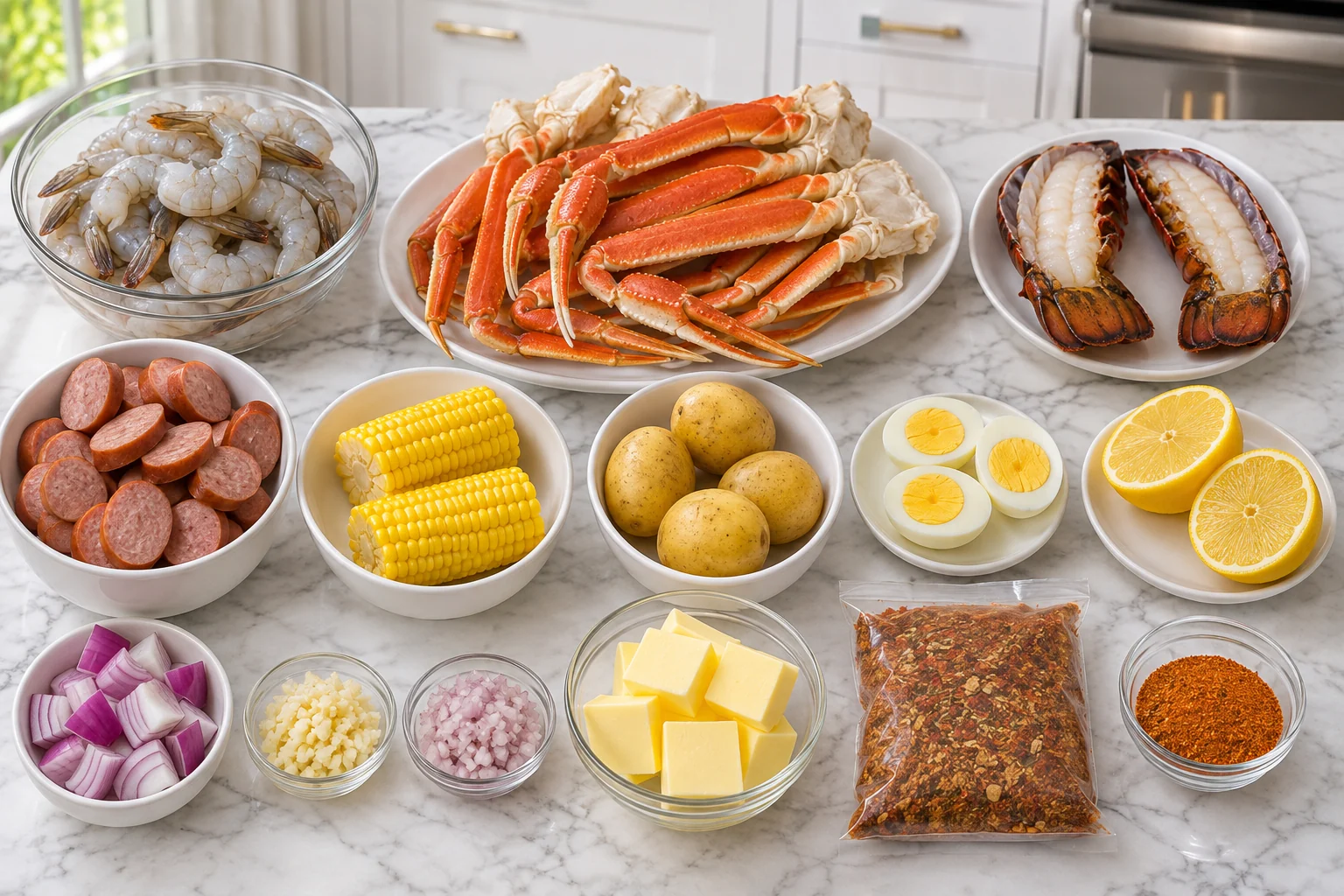
Ingredients for Traditional Cajun Seafood Boil
- 1 lb raw shrimp, peeled or shell-on
- 1 lb snow crab legs
- 2 lobster tail halves
- 1 package smoked sausage (Kielbasa or Andouille), sliced into rounds (about 12–14 oz / 340–397 g, estimated)
- 2 sweet corn cobs, segmented
- 4 small yellow potatoes
- 2 hard-boiled eggs, halved
- 2 fresh lemons, halved
- 1 red onion, chunked
- 4 cloves garlic, minced
- 2 shallots, minced
- 1 cup unsalted butter
- 1 dry seafood boil spice bag plus ¼ cup Cajun seasoning, divided (estimated)
Ingredient Notes
Shrimp: Peeled shrimp are easier to eat from the finished tray, while shell-on shrimp can hold more seasoned broth around the flesh. Whichever you choose, thaw frozen shrimp in the refrigerator and drain them well before cooking.
The FDA’s seafood handling guidance recommends keeping seafood cold and preventing raw seafood juices from contacting ready-to-eat foods.
Snow crab legs: Many frozen snow crab clusters are sold precooked. Check the package before cooking so you know whether the crab needs to cook through or only heat through. Handle the shells carefully because broken points can be sharp.
Lobster tail halves: Keep the two halves in a single layer on the oven tray. The recipe does not supply an oven temperature or baking time, so use the visual cue in the method: the lobster flesh should be firm, pearly, and opaque.
Smoked sausage: Kielbasa gives the boil a mild smoky flavor, while Andouille adds more Cajun character and heat. The estimated 12–14-ounce package suits the amount of seafood and vegetables without overwhelming the tray.
Cajun boil spices and seasonings: The supplied method uses a dry spice boil bag in the stockpot and additional spices in the butter sauce.
One boil bag plus ¼ cup Cajun seasoning, divided between the broth and sauce, is a balanced estimate for this batch. Salt levels vary widely between blends, so avoid adding unlisted salt automatically.
Equipment
- Large stockpot
- Large skillet for browning the sausage
- Second large skillet or saucepan for the Cajun butter sauce
- Wooden cutting board and sharp knife
- Oven tray for the lobster tail halves
- Tongs or a large slotted spoon
- Aluminum foil serving trays
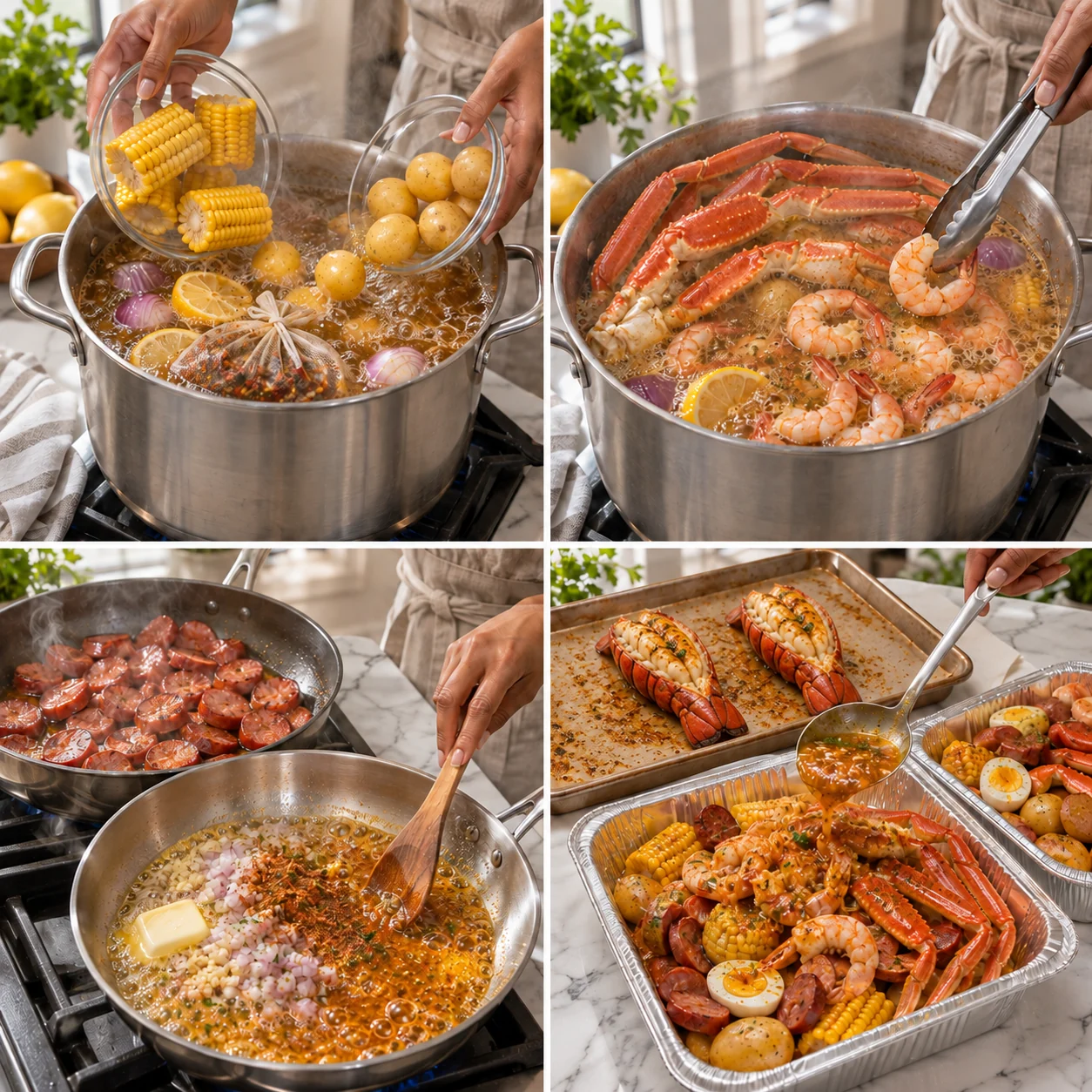
How to Make Traditional Cajun Seafood Boil
1. Build the seasoned boiling broth
Fill a large stockpot with enough water for the boil. Add the lemon halves, red onion chunks, and dry seafood boil spice bag. Bring the mixture to a steady boil so the citrus, onion, and spices begin flavoring the water.
2. Cook the corn and potatoes
Add the segmented sweet corn and small yellow potatoes to the boiling broth. Keep the pot at a controlled boil and cook until the potatoes are tender enough to pierce while still holding their shape. The corn should look bright and plump rather than shriveled.
3. Add the snow crab and shrimp
Lower the snow crab legs and raw shrimp into the seasoned stockpot. Cook until the shrimp are pink and opaque and the crab is hot and cooked as required by its package.
Remove the seafood promptly when ready so the shrimp do not become tight or rubbery. FoodSafety.gov lists firm, pearly or white, opaque flesh as the doneness cue for shrimp, crab, and lobster.
4. Prepare the crab and sausage
Prepare the packaged raw crab legs as directed in the supplied method, then slice the smoked sausage into rounds on a wooden cutting board. Keep any surface or utensil that touches raw seafood separate from the cooked components.
5. Brown the sausage rounds
Arrange the sliced sausage in a hot skillet and pan-fry until the cut surfaces are browned. Turn the rounds as needed so they develop color without scorching. Transfer the browned sausage to a clean plate.
6. Chop the garlic and shallots
Finely chop the garlic cloves and shallots on a clean wooden cutting board. Small, even pieces will distribute through the butter sauce and soften more evenly.
7. Make the Cajun garlic-butter sauce
Melt the unsalted butter in a large skillet. Add the minced garlic, minced shallots, and the Cajun seasoning reserved for the sauce.
Cook gently, stirring, until the aromatics soften and the butter becomes fragrant and deeply seasoned. Keep the heat controlled so the garlic does not burn.
8. Bake the lobster tail halves
Arrange the seasoned lobster tail halves on an oven tray and bake until the flesh is firm, pearly, and opaque. Because the supplied recipe does not include a temperature or time, start checking early according to the size of the tails and your oven.
9. Assemble the foil trays
Divide the boiled corn, potatoes, browned sausage, halved hard-boiled eggs, cooked shrimp, and snow crab among the aluminum foil trays. Add the baked lobster tail halves without burying them so they remain easy to serve.
10. Finish with Cajun butter
Pour the hot Cajun garlic-butter sauce evenly over the assembled seafood trays. Spoon the sauce into the spaces around the potatoes and corn as well as over the shellfish, then serve while everything is hot.
How to Keep Traditional Cajun Seafood Boil Tender
The most important technique in a mixed seafood boil is not letting the fastest-cooking item wait for the slowest. Potatoes and corn need the longest contact with the boiling broth, while shrimp should leave the heat as soon as they turn opaque.
Crab may already be precooked, so the package instructions determine whether it needs cooking or reheating.
The lobster is baked separately in this recipe, which gives you more control over its doneness. Check the thickest part of the flesh and remove it once it is opaque.
Keeping the components separate until assembly also makes it easier to discard any seafood that has an off odor or damaged packaging before it reaches the serving tray.
For another mixed-seafood centerpiece, the creamy shrimp and lobster stuffed pumpkin uses the same principle of managing different seafood textures separately.
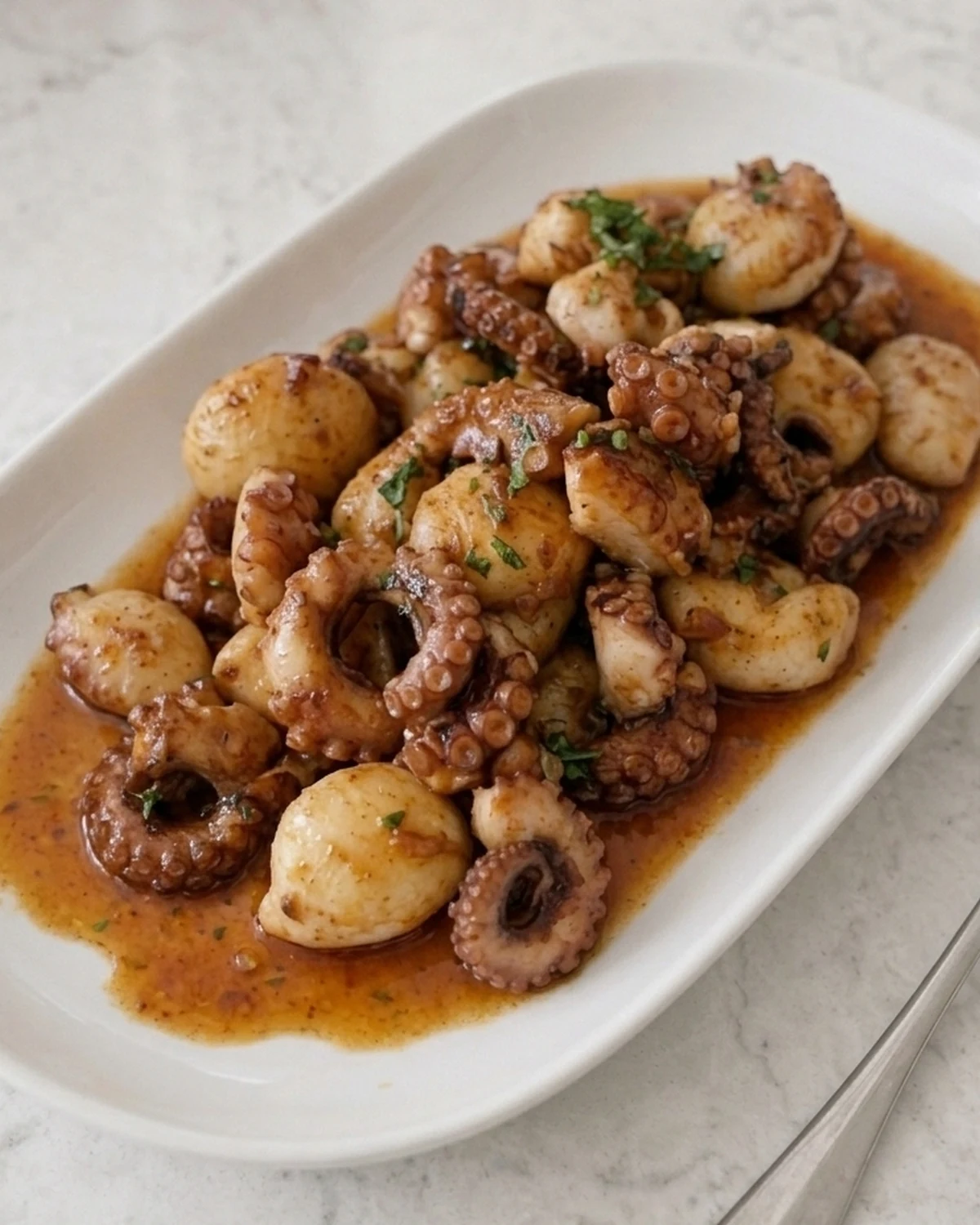
If you want a simpler shrimp-only option, the garlic butter shrimp seafood skillet keeps the focus on quick cooking and a glossy butter finish.
How to Keep Cajun Butter Glossy, Not Greasy
Use gentle heat after the butter melts. Garlic and shallots need enough time to soften and perfume the butter, but hard boiling can darken the milk solids and make the garlic bitter.
Stir the aromatics through the butter and remove the skillet from the heat once they are tender and fragrant.
Pour the sauce while it is hot and fluid, then spoon it across the tray instead of emptying it into one spot.
This distributes the seasoning over the shrimp, crab, lobster, sausage, vegetables, and eggs. The crispy garlic butter shrimp scampi bake is another useful example of pairing shrimp with a strong garlic-butter finish.
Tips for the Best Traditional Cajun Seafood Boil
- Read the crab package first. Snow crab is often precooked, and reheating it for too long can dry the meat.
- Use separate clean plates and tools. Never place cooked shrimp, crab, lobster, or sausage back onto a surface that held raw seafood.
- Do not crowd the sausage skillet. A single layer helps the rounds brown instead of steaming.
- Keep the butter sauce below a hard boil. Gentle heat protects the garlic and keeps the flavor rounded rather than bitter.
- Assemble just before serving. Hot components and hot sauce give the potatoes and corn the best chance to absorb the Cajun butter.
- Serve with shell tools and plenty of napkins. Crab legs and shell-on shrimp are delicious but intentionally messy.
What to Serve with Traditional Cajun Seafood Boil
This Traditional Cajun Seafood Boil already contains seafood, sausage, corn, potatoes, and eggs, so it can stand alone as a complete spread. Add crusty bread for catching the garlic butter, a crisp slaw for contrast, or plain rice when you want an extra starch.
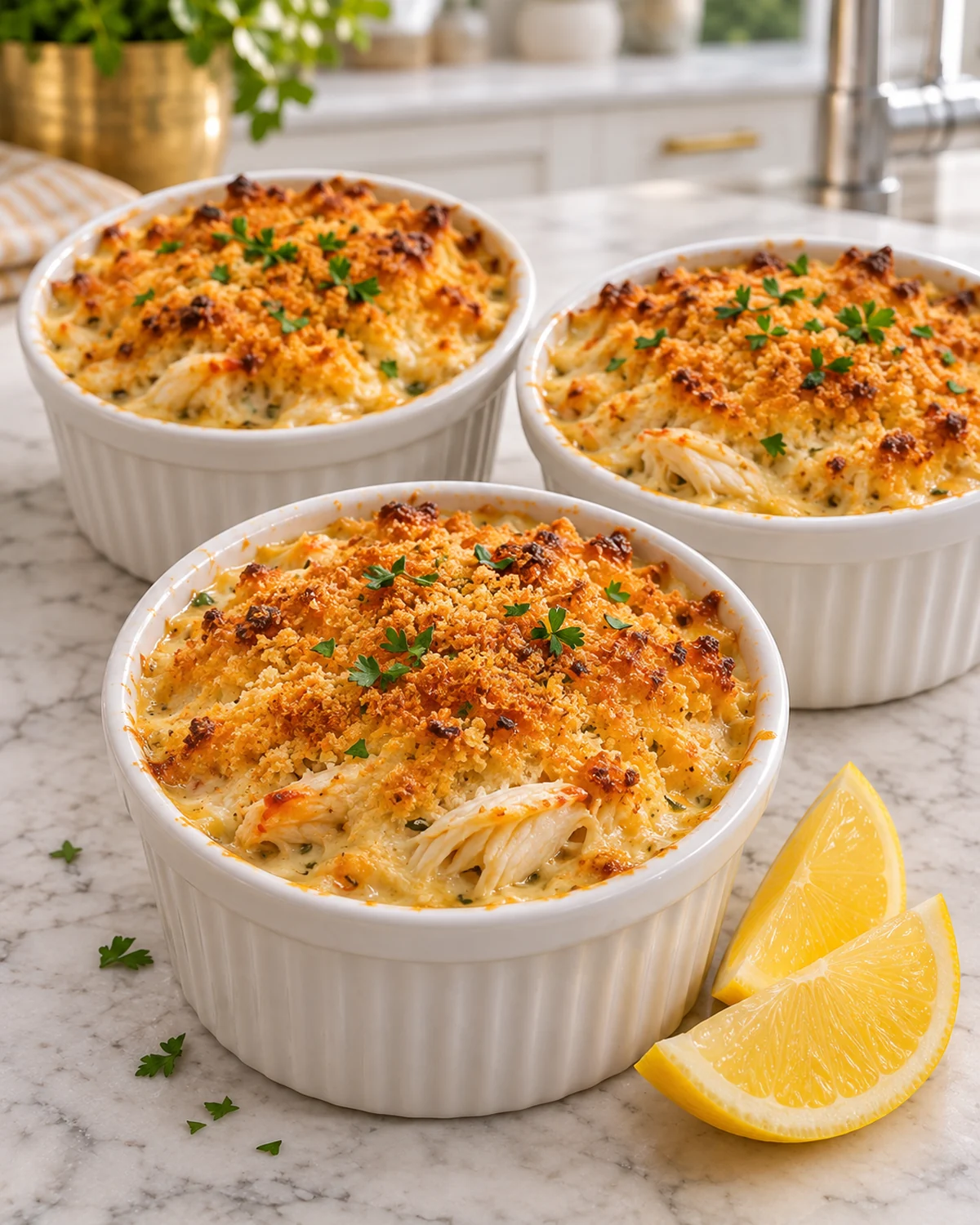
For a larger Cajun-themed menu, serve smaller portions beside creamy Cajun shrimp pasta. A tray of cheesy garlic shrimp and vegetable foil packets fits the same casual serving style, while Crab Imperial with Old Bay breadcrumb gratin adds a creamy baked crab option.
Storing and Reheating Traditional Cajun Seafood Boil
Move leftovers out of the foil serving trays and into shallow airtight containers as soon as the meal ends.
Refrigerate seafood and eggs promptly; the FDA advises not leaving perishable seafood out for more than two hours, or more than one hour when the temperature is above 90°F.
For the best texture, separate large shellfish pieces from the potatoes, corn, sausage, and eggs when practical. Reheat only the portion you plan to eat.
Warm the vegetables and sausage first, then add the seafood near the end so it heats through without prolonged cooking. The FDA’s egg-safety guidance advises using hard-cooked eggs within one week of cooking.
Frequently Asked Questions
Can I use frozen shrimp, crab, or lobster?
Yes. Thaw frozen seafood safely in the refrigerator and drain away excess liquid before cooking. Check crab packaging carefully because frozen snow crab is frequently sold precooked.
Should I use peeled or shell-on shrimp?
Either works because the recipe allows both. Peeled shrimp are easier to eat from the finished tray, while shell-on shrimp can retain more seasoned liquid around the flesh.
How do I know when the seafood is done?
Shrimp, crab, and lobster flesh should be firm, pearly or white, and opaque. Remove shrimp promptly once opaque and follow the crab package directions if it was sold precooked.
Why is the sausage browned separately?
Pan-frying gives the sausage rounds caramelized edges that they would not develop in boiling liquid. That browning also keeps the sausage from tasting waterlogged in the finished tray.
Can I make the Cajun butter ahead?
You can mince the garlic and shallots ahead and keep them refrigerated. Make or gently rewarm the butter sauce close to serving so it remains fluid enough to pour across the seafood trays.
Can I assemble the trays in advance?
Prepare the ingredients ahead, but assemble the hot components close to serving. Holding cooked shrimp and lobster in a warm tray for too long can make them tough, and the potatoes absorb the sauce best while hot.

Traditional Cajun Seafood Boil
Ingredients
Method
- Boil lemon halves, red onion chunks, and dry spice boil bag in a large stockpot of water.
- Add sweet corn cobs and baby potatoes into the boiling spiced broth.
- Boil snow crab legs and raw shrimp in the stockpot until cooked.
- Squeeze packaged raw crab legs and slice smoked sausage rings on a wooden cutting board.
- Pan-fry sliced smoked sausage rounds in a skillet until browned.
- Finely chop garlic cloves and shallots on a wooden cutting board.
- Melt butter in a large skillet and cook minced garlic, shallots, and spices to create Cajun sauce.
- Bake seasoned lobster tails in an oven tray until opaque.
- Assemble boiled corn, potatoes, sausage, eggs, shrimp, and crab into aluminum foil trays.
- Pour hot Cajun garlic butter sauce over the assembled seafood trays and serve.
Notes

Taya Bennett is the founder of YumEasyMeals, a platform dedicated to easy, delicious, and quick-to-prepare recipes for busy families. Passionate about everyday cooking, she simplifies meals with practical, accessible, and always delicious ideas.
Discover her creations at: yumeasymeals.com