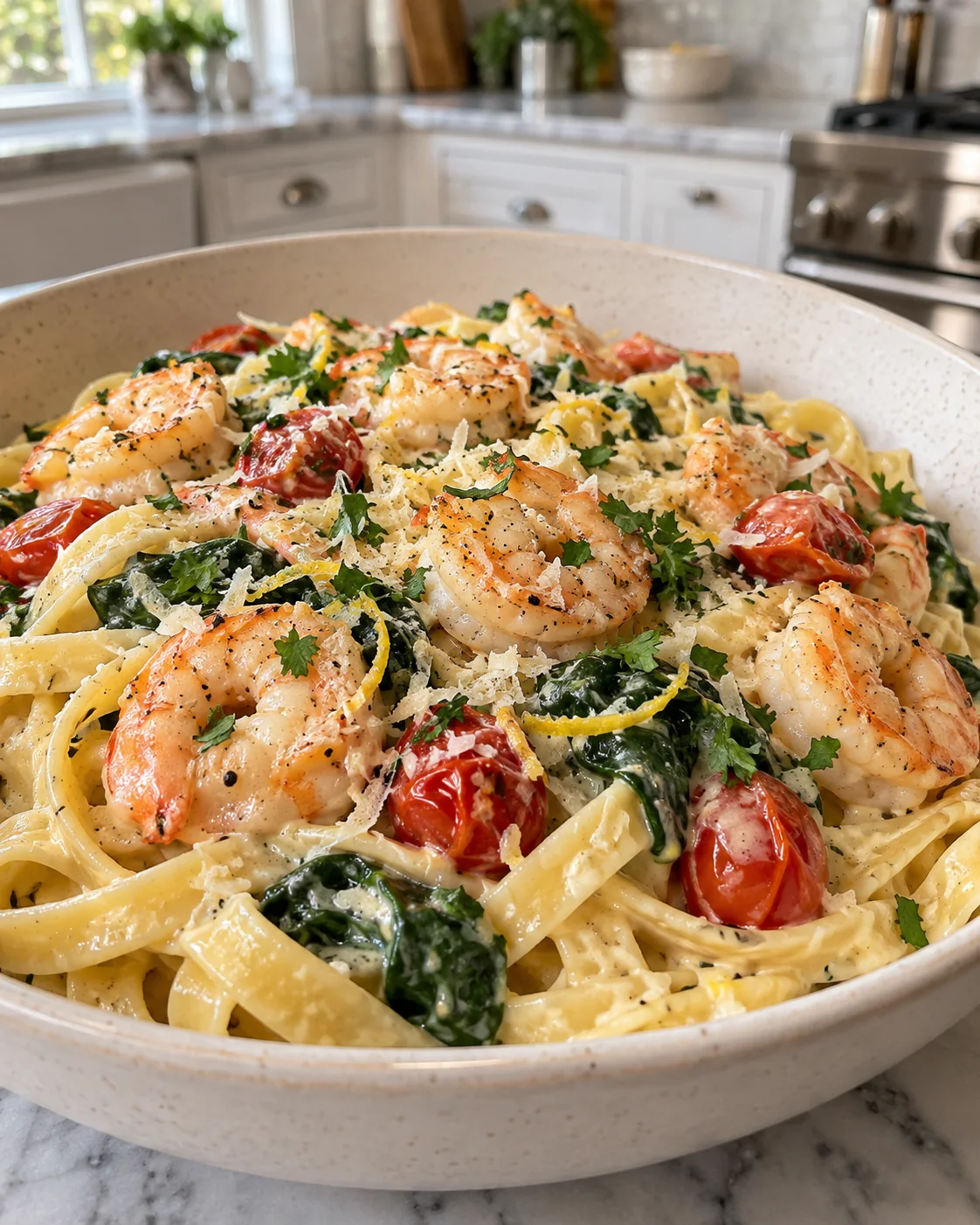
Creamy shrimp and lobster stuffed Moranga pumpkin is a dramatic Brazilian-inspired seafood centerpiece built inside a whole roasted pumpkin. The naturally sweet pumpkin holds a velvety coconut, cream, tomato, and Catupiry sauce filled with seared jumbo shrimp and tender lobster.
The contrast is what makes this dish memorable: buttery seafood, a thick coral-orange sauce, soft roasted pumpkin, and a bubbling mozzarella gratin. It takes several stages, but each one is straightforward and the whole pumpkin makes its own serving bowl for a special dinner or celebration.
Why You’ll Love This Recipe
- A true centerpiece: The whole roasted Moranga pumpkin brings the finished seafood stew straight to the table in an edible serving vessel.
- Two kinds of seafood: Jumbo shrimp and lobster give the filling a luxurious mix of tender, juicy textures.
- Rich but balanced: Catupiry, cream, and mozzarella make the sauce velvety, while lime, tomato, and fresh herbs keep it from tasting flat.
- Layered flavor: The seafood is seared first, the aromatics cook in the same buttery skillet, and the filled pumpkin finishes under the broiler for a golden top.
Ingredients Needed
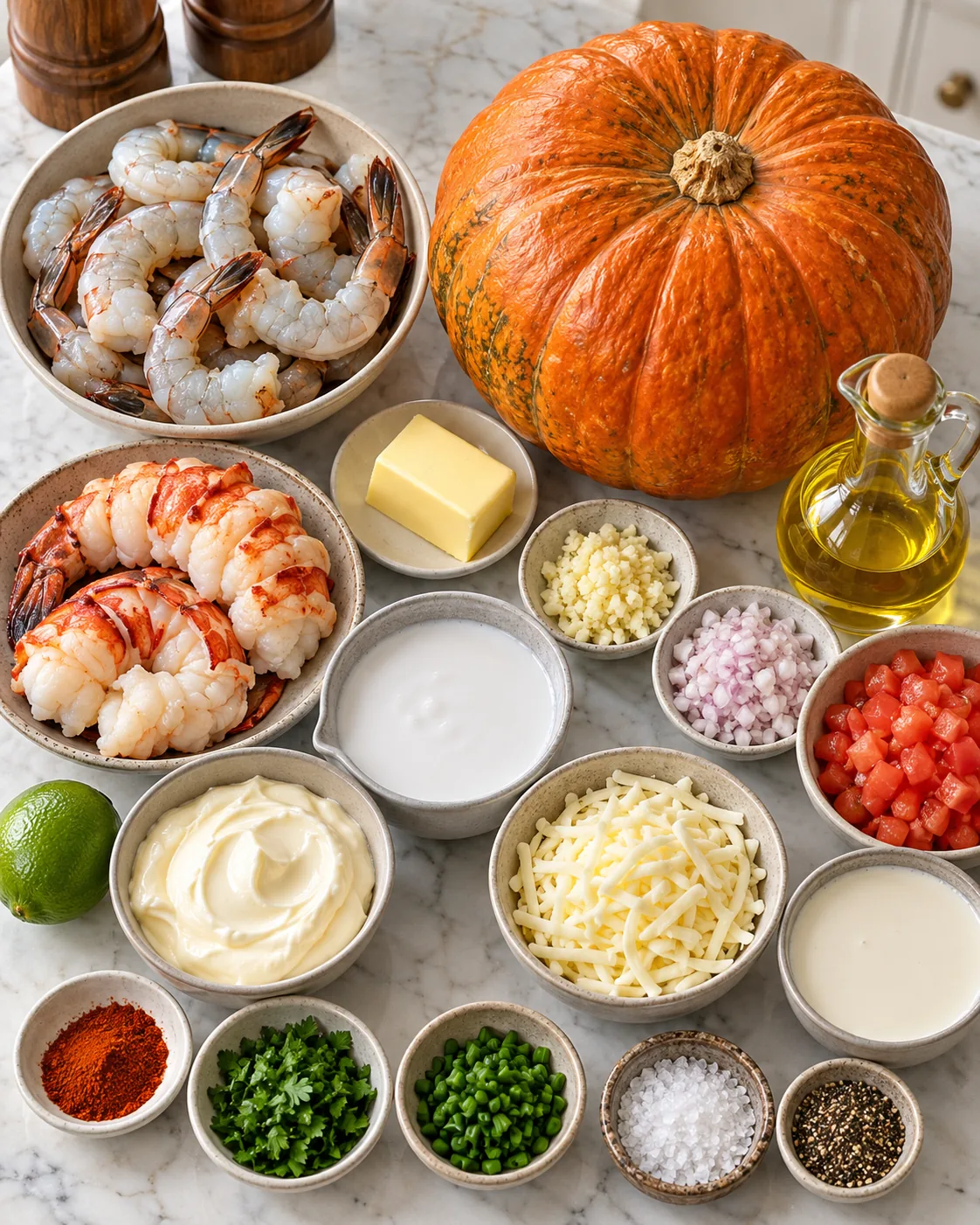
- 1 medium Moranga pumpkin, about 4 pounds
- 2 tablespoons olive oil, divided
- 1 teaspoon coarse sea salt, divided
- 1/2 teaspoon freshly cracked black pepper
- 3 tablespoons unsalted butter
- 1 pound jumbo shrimp, peeled and deveined, tails on
- 1 pound lobster tail meat, cut into thick medallions
- 4 garlic cloves, minced
- 1 medium shallot, finely diced
- 2 tablespoons chopped fresh parsley, divided
- 1 teaspoon smoked paprika
- 1 1/2 cups diced tomatoes
- 1 cup coconut milk
- 1/2 cup heavy cream
- 8 ounces Catupiry or Brazilian requeijão, divided
- 2 tablespoons fresh lime juice
- 1 cup shredded mozzarella
- 2 tablespoons chopped fresh chives
Ingredient Notes
Moranga pumpkin: Choose a round pumpkin with firm, unblemished skin and a stable base. It needs to become tender in the oven while remaining strong enough to hold the creamy filling.
Shrimp and lobster: Fresh or properly thawed seafood works well. Pat both completely dry before searing so the butter foams and the seafood browns instead of steaming. The FDA seafood safety guide recommends thawing frozen seafood gradually in the refrigerator and keeping it cold until cooking.
Catupiry or requeijão: This soft Brazilian cheese gives the filling its distinctive creamy, stretchy texture. Part of it lines the pumpkin, while the rest melts into the sauce.
Coconut milk and heavy cream: Coconut milk brings gentle sweetness and body; heavy cream rounds out the sauce. Keep the skillet at a gentle simmer after adding them.
How to Make Creamy Shrimp & Lobster Stuffed Moranga Pumpkin
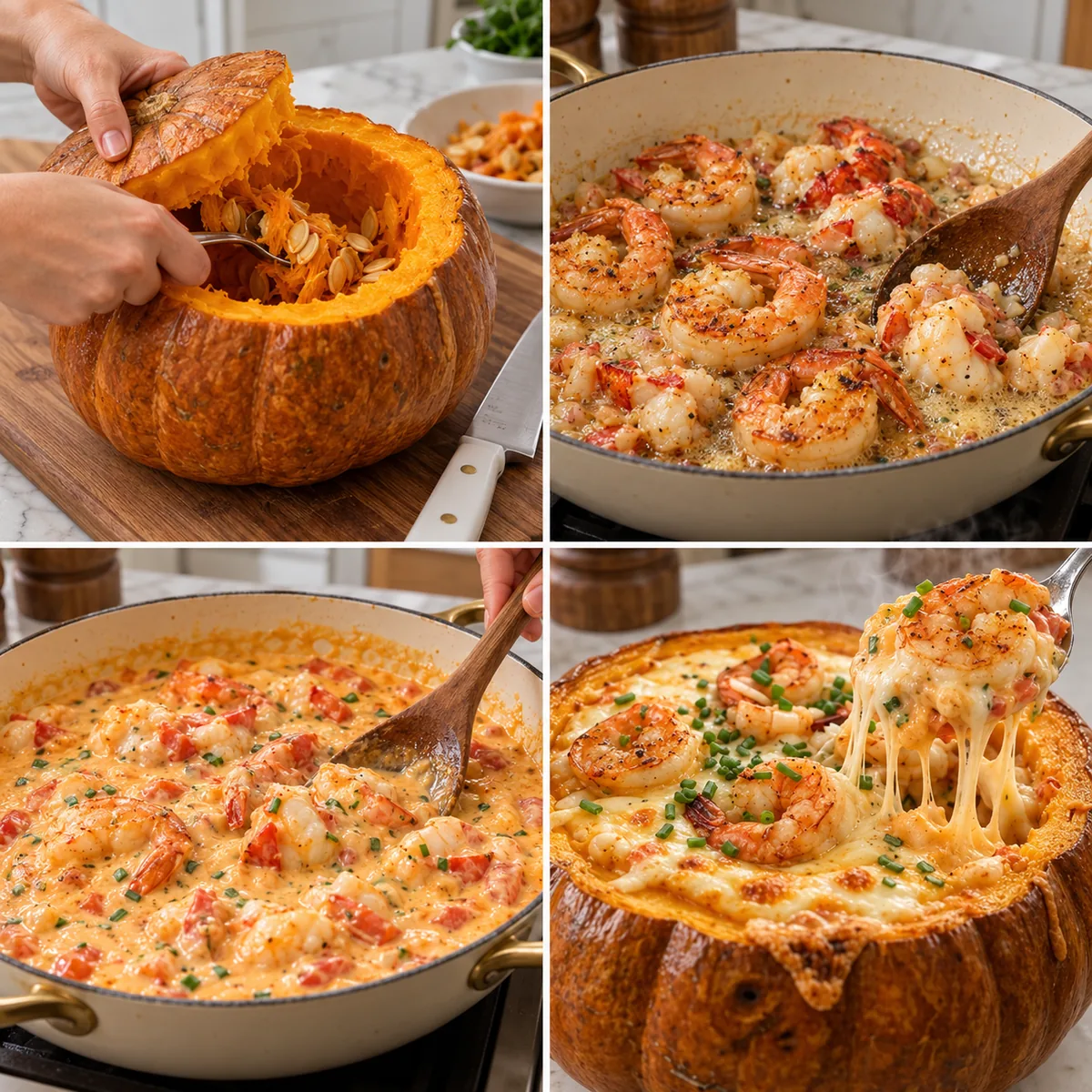
1. Hollow and Season the Pumpkin
Cut a neat circular lid around the pumpkin stem and lift it away. Scoop out all seeds and stringy fibers with a large spoon. Brush the cavity with 1 tablespoon olive oil, then season it with half of the salt and black pepper.
2. Roast Until Tender
Set the pumpkin and its lid on a sturdy baking dish or sheet. Roast until the flesh is tender but the shell still holds its shape. Keep the pumpkin upright and avoid roasting it until the sides collapse. Set it aside while you prepare the seafood filling.
3. Sear the Shrimp and Lobster
Melt the butter with the remaining tablespoon of olive oil in a large skillet over medium-high heat. Add the shrimp and lobster in a single layer. Sear just until the shrimp turn pink and the lobster becomes pearly and opaque. Transfer the seafood to a plate, reserving several shrimp for the topping.
4. Build the Aromatic Base
Reduce the heat to medium. Add the garlic and shallot to the foaming butter and cook briefly until fragrant and softened. Stir in 1 tablespoon parsley and the smoked paprika, scraping up the flavorful browned bits from the skillet.
5. Simmer the Velvety Sauce
Add the diced tomatoes and cook until they begin to soften. Pour in the coconut milk and heavy cream, then bring the mixture to a gentle simmer. Spoon half of the Catupiry into the skillet and stir slowly until the sauce becomes thick, smooth, and glossy. Finish with the lime juice and remaining salt.
6. Fold in the Seafood
Return the seared shrimp and lobster to the skillet. Fold them gently through the sauce only until evenly coated and warmed. Avoid a hard boil so the seafood stays tender and the dairy remains smooth.
7. Fill the Roasted Moranga
Spread the remaining Catupiry over the warm inner walls of the roasted pumpkin. Spoon the creamy shrimp and lobster stew into the cavity, filling it generously without forcing the shell outward.
8. Add the Golden Gratin Topping
Cover the filling with shredded mozzarella. Arrange the reserved seared shrimp on top and scatter with the remaining parsley and chives. Broil only until the cheese is melted, bubbling, and deeply golden in spots. Watch closely so the exposed pumpkin rim does not burn.
How to Keep the Seafood Tender
The shrimp and lobster cook twice: first in the skillet and again briefly inside the hot filling. Sear them only until they are nearly cooked, then remove them while you build the sauce. Return them at the end just long enough to coat them.
Properly cooked shrimp and lobster should look firm, pearly, and opaque. That visual cue matches the FDA’s seafood doneness guidance. If the seafood stays in a vigorously boiling sauce, it can quickly become firm and rubbery.
How to Keep the Pumpkin from Collapsing
The pumpkin should be tender enough to scoop but sturdy enough to function as a bowl. Roast it upright, keep the opening neat, and test the flesh near the top edge with the tip of a knife. Stop when the knife enters with little resistance but the exterior still feels firm.
Use a baking dish that supports the pumpkin during roasting and broiling. Once filled, move it carefully and serve it on a platter with a slight rim to catch any sauce.
Tips for the Best Stuffed Moranga Pumpkin
- Dry the seafood thoroughly before searing to encourage browning instead of steaming.
- Cook in batches if needed; crowding the skillet cools the butter and releases too much liquid.
- Keep the coconut-cream sauce at a slow simmer so it thickens without separating.
- Stir Catupiry into the warm sauce gradually, then use the remaining cheese to line the pumpkin.
- Reserve a few attractive seared shrimp for the top before folding the rest into the sauce.
- Broil only at the end and stay nearby; mozzarella can move from golden to scorched quickly.
What to Serve with Stuffed Moranga Pumpkin
Serve the pumpkin at the center of the table with plain white rice, crusty bread, or a crisp green salad. Rice is especially useful for catching the creamy seafood sauce and soft roasted pumpkin.
For another rich shrimp dinner, try creamy garlic Parmesan shrimp or ultra-creamy baked Brie shrimp fettuccine. The crispy garlic butter shrimp scampi bake is a good choice when you want buttery seafood with a crisp finish.
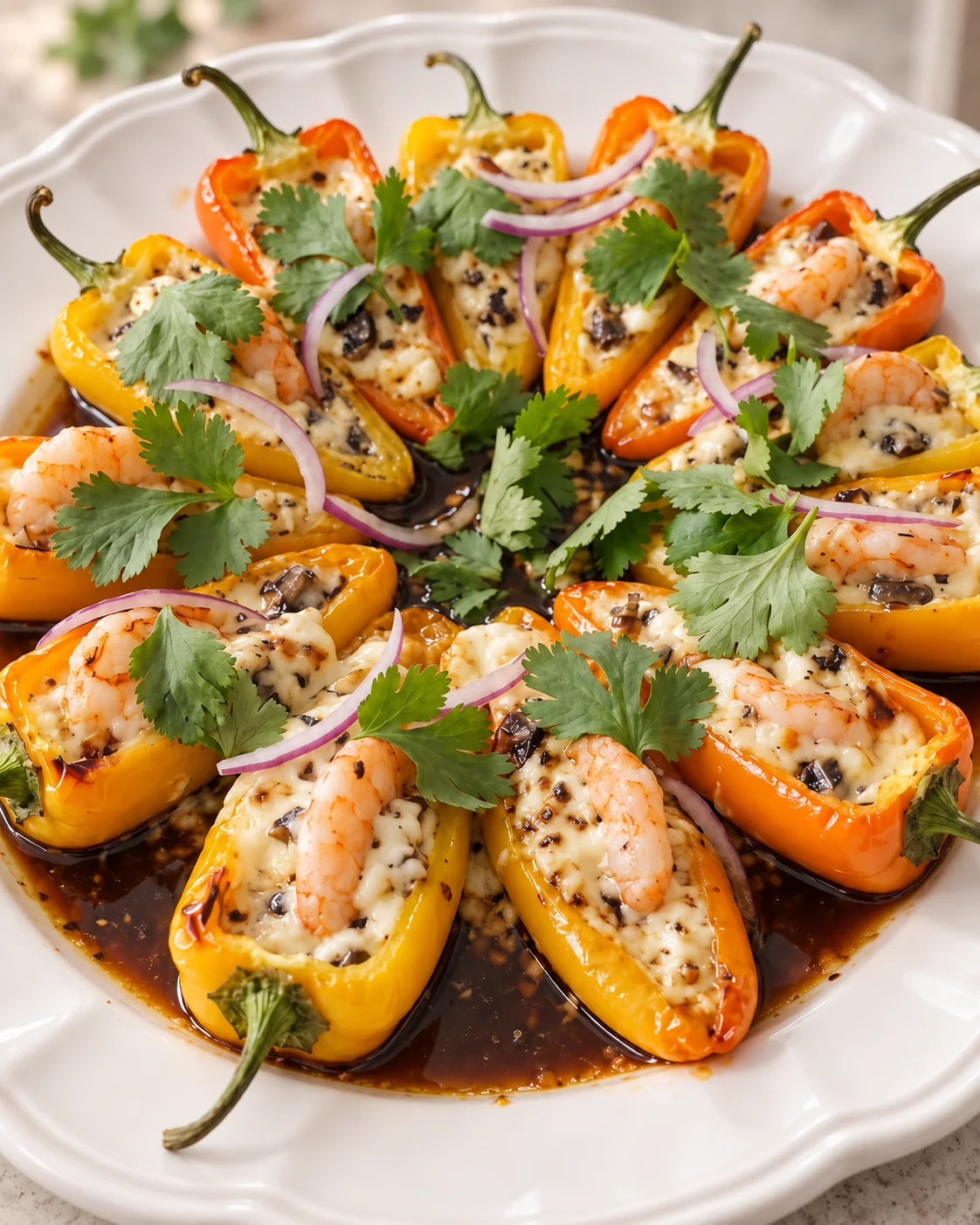
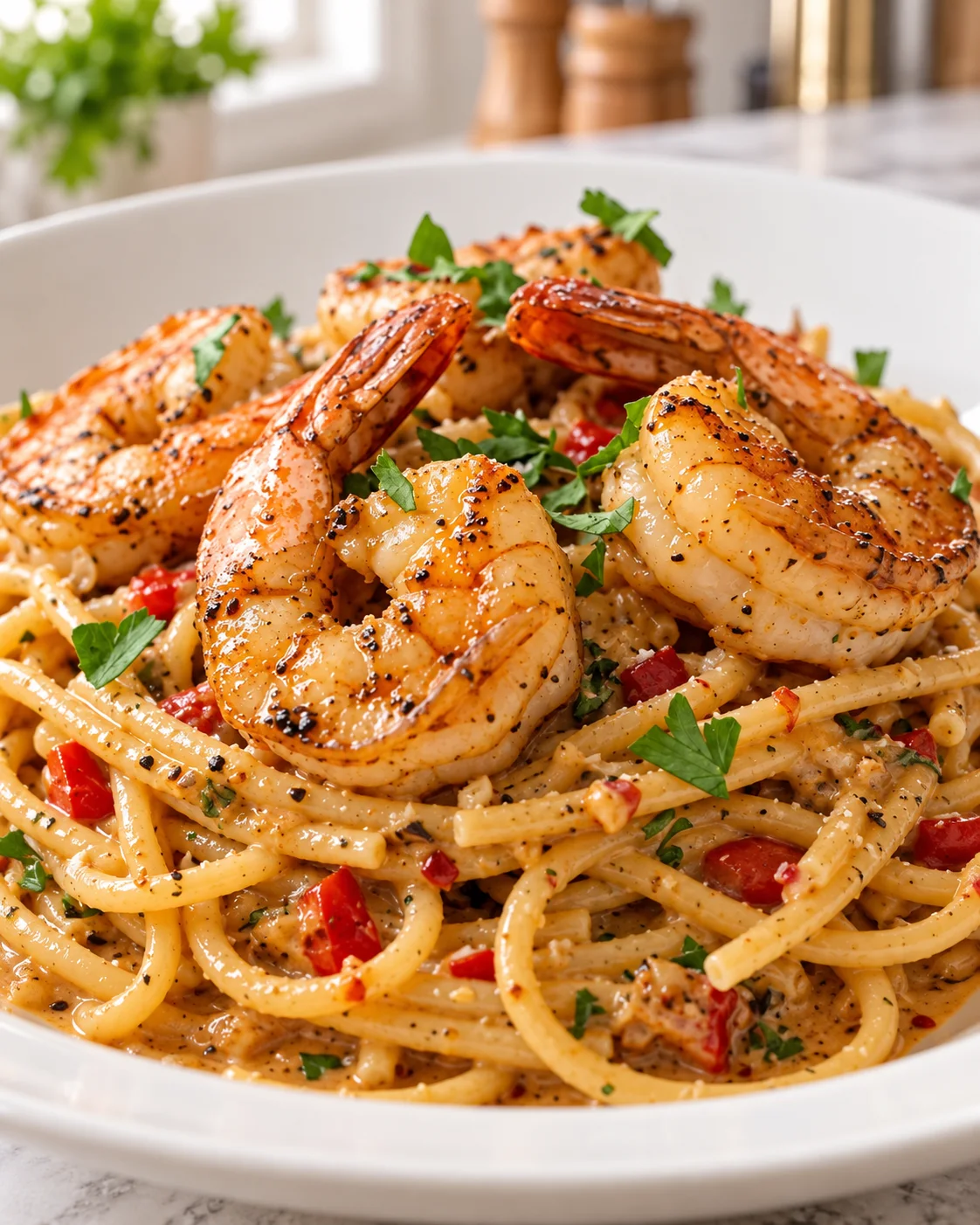
If you enjoy colorful baked seafood, keep cheesy baked shrimp and peppers nearby. For creamy skillet and pasta ideas, see tomato garlic shrimp tagliatelle and creamy chipotle shrimp angel hair.
Storage and Reheating
Transfer the seafood filling and any scooped pumpkin flesh to shallow airtight containers and refrigerate promptly. The Clemson University seafood safety guide recommends reheating leftovers to 165°F and emphasizes quick chilling in shallow containers. Use cooked seafood within 3–4 days.
Reheat gently in a covered skillet or baking dish until hot throughout. A small splash of coconut milk or cream can loosen sauce that has thickened in the refrigerator. Avoid repeated reheating, which can make the shrimp and lobster tough.
Frequently Asked Questions
Can I use frozen shrimp and lobster?
Yes. Thaw them in the refrigerator, drain well, and pat completely dry before searing. Do not thaw seafood on the counter.
What if I cannot find Catupiry?
Brazilian requeijão is the closest match listed for this recipe. Use a soft, mild, meltable version so it spreads inside the pumpkin and blends smoothly into the sauce.
How do I know when the pumpkin is ready?
The flesh should be tender when pierced near the opening, but the shell should remain upright and firm enough to hold the filling.
Why is my sauce too thin?
The tomatoes or seafood may have released excess moisture. Simmer the sauce gently before returning the seafood, and make sure thawed shrimp and lobster are thoroughly dried.
Can I assemble the pumpkin ahead?
You can roast the pumpkin and prepare the filling in advance, then refrigerate them separately. Reheat the filling gently, assemble the pumpkin, and add the mozzarella shortly before broiling.
How should I serve the cheese pull?
Let the gratin settle briefly after broiling, then use a large spoon to scoop through the golden top, creamy seafood filling, and a little soft pumpkin flesh in one motion.

Creamy Shrimp & Lobster Stuffed Moranga Pumpkin
Ingredients
Equipment
Method
- Cut a neat circular lid around the pumpkin stem and lift it away. Scoop out all seeds and stringy fibers. Brush the cavity with 1 tablespoon olive oil, then season with half of the salt and the black pepper.
- Set the pumpkin and lid on a sturdy baking dish. Roast until the flesh is tender but the shell still holds its shape. Set aside.
- Melt the butter with the remaining tablespoon olive oil in a large skillet over medium-high heat. Add the shrimp and lobster in a single layer. Sear just until the shrimp turn pink and the lobster becomes pearly and opaque. Transfer to a plate, reserving several shrimp for the topping.
- Reduce the heat to medium. Add the garlic and shallot to the foaming butter and cook briefly until fragrant. Stir in 1 tablespoon parsley and the smoked paprika, scraping up the browned bits.
- Add the diced tomatoes and cook until they begin to soften. Pour in the coconut milk and heavy cream and bring to a gentle simmer. Add half of the Catupiry and stir until the sauce is thick, smooth, and glossy. Finish with the lime juice and remaining salt.
- Return the seared shrimp and lobster to the skillet. Fold gently through the sauce only until evenly coated and warmed.
- Spread the remaining Catupiry over the warm inner walls of the roasted pumpkin. Spoon the creamy shrimp and lobster filling into the cavity.
- Top with mozzarella, the reserved shrimp, remaining parsley, and chives. Broil only until the cheese is melted, bubbling, and deeply golden in spots.

Taya Bennett is the founder of YumEasyMeals, a platform dedicated to easy, delicious, and quick-to-prepare recipes for busy families. Passionate about everyday cooking, she simplifies meals with practical, accessible, and always delicious ideas.
Discover her creations at: yumeasymeals.com